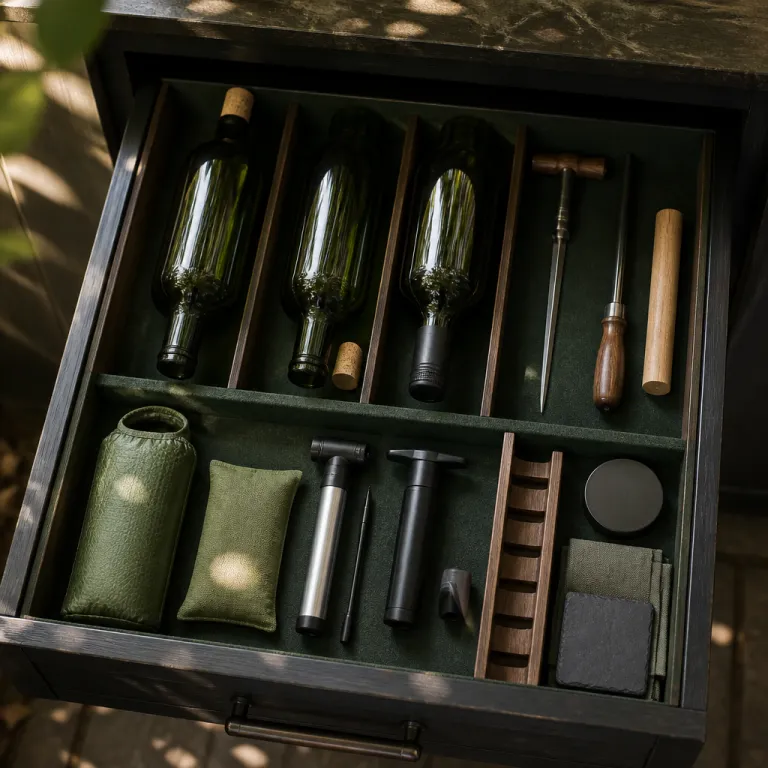
Why knowing how to open a cork without a corkscrew matters for wine storage
Anyone serious about wine eventually faces the question of how to open a cork without a corkscrew during a dinner or while standing in front of a wine cooler. The best collectors plan meticulously, yet a missing bottle opener or a stubborn cork can still disrupt service and even damage the wine if you improvise badly. When you manage to open wine safely without corkscrew tools, you also protect the long term performance of your wine cooler and the condition of the bottles stored inside.
When a wine bottle is stored horizontally in a cooler, the cork stays moist and expands slightly, which is ideal for ageing wines but makes emergency opening trickier. Any improvised method that adds sudden pressure or heat to the bottle can force sediment into the liquid or push cork fragments inside, creating extra cleaning work in your cooler racks. Learning a controlled method to open wine without a traditional screw cork device helps you avoid spills that can stain shelves, labels and even gaskets in premium appliances.
Collectors who manage both white and red wines in large capacity coolers know that accidents rarely involve just one bottle when you lack proper tools. A single broken cork or cracked screw cap can drip slowly, and if you do not react quickly you will find sticky residue under several bottles and along the door seal. Understanding safe opening techniques and how they interact with storage conditions will help you avoid recurring maintenance issues and keep your wine collection ready to enjoy at any moment.
Safe manual techniques to open a wine bottle without a corkscrew
When you realise you must open a cork bottle without corkscrew help, start by assessing the closure and the glass. If the bottle has a screw cap, you simply twist, but traditional wines with natural cork require a more careful method that respects both the liquid and the integrity of the bottle. Always proceed with caution and keep the neck pointed away from faces, fragile glassware and the interior of your wine cooler.
Safety warning: impact based tricks and high force can crack glass and cause injury. If the bottle shows any damage, or if you feel unsure, do not attempt these methods; wait until you have a proper corkscrew.
One widely shared approach is the so called shoe method, where you place the base of the wine bottle inside a sturdy shoe and tap it gently against a wall. The pressure gradually moves the cork outward, and if you stop in time you can pull it by hand and open wine without spraying the contents. This shoe method should be used only with thick glass bottles, and you should avoid using it near your cooler door or shelving, because repeated impacts can misalign racks or damage insulation.
Another option is to push the cork gently into the bottle without breaking it, using the rounded end of a wooden spoon or a similar blunt tool. This method will not work for sparkling wines, but it is effective for still red or white bottles when you absolutely must enjoy wine and have no corkscrew device available. Once the cork is floating inside, decant the wine slowly into a clean carafe so that fragments stay away from the spout and your cooler shelves remain spotless for the next service, and for more guidance on handling larger collections you can review this resource on top large capacity wine coolers.
For both the shoe method and the push in technique, a simple sequence helps keep things safe and easy to follow:
- Step 1 – Prepare the area: move away from the cooler and clear a stable, non slippery work surface (see Figure 1: bottle positioned horizontally in a shoe against a wall).
- Step 2 – Inspect the bottle: check the glass for chips or cracks before applying any pressure.
- Step 3 – Hold correctly: keep one hand on the base and one on the neck, never directly over the cork.
- Step 4 – Apply gradual force: increase force slowly and stop immediately if the glass creaks or flexes.
- Step 5 – Clean and store: wipe the bottle dry before returning it to the cooler to avoid drips on shelves.
Using household tools like a wire hanger or serrated knife safely
Improvising with household tools can work when you understand both the risks and the physics of how to open a cork without a corkscrew. A straightened wire hanger can become a makeshift screw cork device if you bend a small hook at the end and slide it carefully alongside the cork. Once the hook is below the base of the cork, you twist and pull steadily, avoiding sudden pressure that could snap the glass or send wine across your cooler shelves.
Safety warning: sharp blades and metal tools can slip unexpectedly. Wine education bodies such as the Wine & Spirit Education Trust and many closure manufacturers advise using purpose made openers whenever possible; improvised devices should be a last resort and handled with protective gloves if available.
Some enthusiasts use a small serrated knife as a substitute for a traditional corkscrew, inserting the blade at a slight angle and rotating it as if it were a screw. This method will open wine when done patiently, but you must proceed with caution because a slip can damage the neck of the bottle or your hand. Always keep the blade pointed away from your body, brace the bottle on a stable surface outside the cooler, and wipe any drips immediately so they do not seep under racks or into door seals.
For stubborn corks, a pair of pliers used in a hammer style can help you grip a partially exposed closure and pull it free without twisting the glass. Use the pliers to clamp the cork firmly, then apply slow upward pressure while supporting the bottle with your other hand. Once you have opened the bottle without specialised tools, protect the remaining liquid with high quality closures such as the elegant silicone wine stoppers described in this guide to why silicone wine stoppers are essential for wine lovers, which help maintain freshness inside your cooler after emergency openings.
To reduce the chance of injury or breakage when using improvised tools, follow these basic steps, which can be illustrated in a simple diagram:
- Step 1 – Stabilise the bottle: place it on a firm table with a towel underneath to prevent slipping.
- Step 2 – Position your hands: grip the neck below the lip, keeping fingers away from the path of the tool.
- Step 3 – Insert slowly: guide the hanger or knife in with light pressure, feeling for resistance rather than forcing it.
- Step 4 – Use steady motion: apply even pressure instead of jerking or twisting suddenly.
- Step 5 – Stop if things go wrong: abandon the attempt if the cork crumbles heavily or the glass shows any sign of stress.
Protecting your wine cooler when emergency opening methods go wrong
Improvised techniques for how to open a cork without a corkscrew can create specific maintenance challenges for wine cooler owners. When you push cork fragments into the bottle or spill wine without wiping it promptly, sticky residues can attract mould and odours that circulate through the cabinet. Over time, these residues may interfere with temperature sensors, fan blades and even the performance of nearby labels, which can peel and clog drainage channels.
One frequent issue arises when people use the shoe method or tap a bottle against a wall near the cooler, causing micro vibrations that travel through the racks. Sensitive wines, especially older whites or delicate reds, can suffer from disturbed sediment and accelerated ageing when exposed to repeated shocks. To avoid these problems, always perform any impact based method far from the appliance, and never rest a bottle against the cooler body while trying to open wine without a proper corkscrew.
Another common problem involves broken glass from a failed attempt with a serrated knife, pliers or a bent wire hanger used as a screw cork substitute. Tiny shards can fall into ventilation grilles or onto compressor housings, where they rattle and potentially damage components over time. If a bottle breaks near your cooler, unplug the unit, remove all nearby wines, vacuum carefully with a narrow nozzle and inspect the interior thoroughly before you reload the shelves and enjoy wine again.
For routine protection after any messy opening, a simple cleaning protocol helps and can be shown in a quick reference chart:
- Blot visible spills immediately with an absorbent, lint free cloth.
- Wipe affected areas with a solution of warm water and mild dish soap (about one teaspoon per litre).
- Rinse with a cloth dampened in clean water to remove any detergent film.
- Dry completely with a soft towel so moisture does not linger in seams or rails.
Troubleshooting leaks, odours and humidity after messy bottle openings
After a difficult attempt to open a cork bottle without corkscrew tools, you may notice leaks or new smells inside your wine cooler. A slow drip from a damaged screw cap or a cork that was pushed partially inside can run down the neck and pool on shelves, especially with chilled white wines that condense moisture. If you do not react quickly, this combination of wine without proper containment and high humidity can encourage mould growth on labels, gaskets and even wooden racks.
Start troubleshooting by removing every bottle from the affected zone and checking each base for sticky rings or dried stains. Clean shelves with a mild, unscented solution, then dry thoroughly so that no residual liquid remains to influence the cooler’s humidity control system. If your model uses a dedicated humidifier, cross check its performance and consider expert comparisons such as those in this analysis of wine cellar humidifiers and their long term behaviour, because excess moisture can make future opening accidents more difficult to manage.
Persistent odours often come from wine that seeped into hidden areas after a failed shoe method or an over enthusiastic attempt with a wire hanger or bottle opener. Check the drip tray, door gasket folds and any seams where liquid might have collected, especially if you had to push the cork into the bottle and then pour quickly. Once everything is clean and dry, reload the wines with their labels facing outward so you can monitor any new leaks and avoid repeating the same opening mistakes.
For more stubborn smells, you can:
- Place a shallow dish of baking soda inside the empty cooler for 24 hours to absorb odours.
- Wipe interior walls with a solution of equal parts water and white vinegar, then rinse and dry.
- Run the cooler empty for a short period to confirm that humidity and temperature return to normal.
Preventive habits so you rarely need emergency opening tricks
The most effective strategy for how to open a cork without a corkscrew is to reduce how often you face that situation. Keep at least one reliable corkscrew and one backup bottle opener stored near your wine cooler, and check them regularly so you do not reach for a broken screw or worn lever during service. When you buy new wines, inspect each cork bottle and screw cap for damage before placing it deep inside the racks.
Organised collectors often maintain a small tray of safe tools, including a compact corkscrew, a soft cloth, a thermometer and spare closures, so that any opening can be handled calmly. This habit means you will rarely need to improvise with a serrated knife, pliers or a bent wire hanger, which are all harder to control in tight spaces. If you still want a backup method, practise the gentler techniques on inexpensive bottles first, away from the cooler, until you can open wine confidently without risking spills or broken glass.
Finally, remember that every emergency opening leaves traces on your equipment and your wines, from minor scuffs on shelves to tiny cork crumbs that fall inside necks. Schedule regular inspections of your cooler interior, wiping rails, seals and fan grilles so that any residue from past attempts to enjoy wine without proper tools does not accumulate. With thoughtful preparation, you will handle both everyday service and rare crises smoothly, keeping your collection pristine and your storage environment stable.
Key figures and practical statistics about wine opening and storage
- Industry data from major closure manufacturers indicate that roughly two thirds of still wines worldwide are sealed with natural cork, which explains why so many drinkers eventually need alternative methods when a corkscrew is missing or fails.
- Studies from wine storage specialists show that brief temperature spikes above about 24 °C can cause a cork to expand and stick, increasing the risk of breakage during opening and making emergency techniques more tempting.
- Consumer surveys from large appliance brands report that a significant share of wine cooler owners have experienced at least one spill or leak inside the cabinet, often linked to hurried opening attempts or damaged closures.
- Laboratory tests on bottle closures demonstrate that high quality screw caps can maintain a tight seal for more than ten years, while poorly stored natural corks may start to dry out within a few years if humidity drops below 50 %.
- Field observations from professional cellars suggest that regular cleaning after spills can reduce mould and odour complaints by well over half, underlining the importance of prompt maintenance after any messy bottle opening.
FAQ about opening wine without a corkscrew and protecting your cooler
Is it safe to push the cork into the bottle to open wine
It is generally safe to push the cork into the bottle if the glass is sound and you use a blunt tool, but you must pour the wine through a strainer or decant carefully to keep fragments out of the glasses. This method can splash, so perform it away from your wine cooler and wipe the bottle before returning it to storage. Avoid using this approach on sparkling wines, where internal pressure makes the risk of sudden ejection much higher.
Can the shoe method damage my wine or my cooler
The shoe method can work to open a cork bottle without a corkscrew, yet it relies on repeated impacts that may disturb sediment and stress the glass. If you perform it near your cooler, vibrations can travel through shelves and affect other bottles, especially older wines. Always use this method against a solid wall, far from the appliance, and stop as soon as the cork is far enough out to pull by hand.
Which improvised tools are least risky for opening a bottle without equipment
The least risky improvised tools are usually a sturdy wooden spoon for pushing the cork inward or a carefully bent wire hanger used with slow, steady force. Sharp objects such as a serrated knife or makeshift pliers combinations carry higher risks of slipping and cutting either the glass or your hand. Whatever you choose, keep the bottle on a stable surface, point the neck away from people and clean any drips before placing the wine back in the cooler.
How do I clean my wine cooler after a spill from a failed opening
Start by unplugging the cooler and removing all bottles from the affected area, checking each base for sticky residue. Wipe shelves, walls and seals with a mild, unscented cleaner, then dry thoroughly so that no liquid remains to feed mould or interfere with humidity control. Finally, inspect the drip tray and ventilation grilles for hidden stains before you reload the wines.
How can I avoid needing emergency opening tricks in the future
Keep at least two reliable corkscrews and a standard bottle opener near your wine cooler, and check them periodically so they are ready when guests arrive. Store bottles horizontally at stable temperature and humidity so that corks remain elastic and less likely to crumble during normal opening. By planning ahead and maintaining your tools, you greatly reduce the chances of resorting to risky improvised methods.