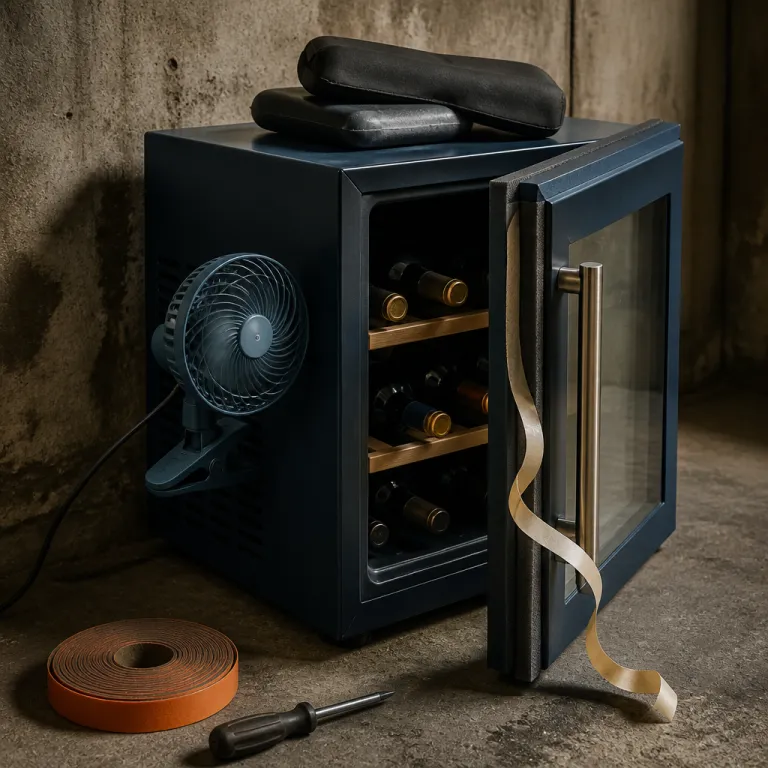
Why summer heat overwhelms your wine cooler faster than you think
When the first serious summer heat arrives, every wine fridge in the house starts working harder. A compressor based wine cooling unit is often designed for ambient temperatures up to roughly 32–35 °C according to typical manufacturer spec sheets, but once your kitchen or enclosed patio room creeps beyond that range, the unit struggles to keep wine at a stable serving temperature. In hot climates the gap between outside heat and your target cellar like temperature widens, and that extra workload is exactly when marginal cooling units fail and wine summer problems begin.
Think about where you currently store wine and how that room behaves on a hot summer afternoon. A freestanding wine fridge parked beside an oven or in direct sunlight from a south facing window can see ambient temperatures over 38 °C, which makes proper wine storage almost impossible because the cooling unit rarely cycles off. Those long duty cycles not only burn more electricity but also accelerate wear on compressors, so the risk of sudden failure during peak summer heat rises just when your wines most need protection.
Thermoelectric wine cooling units are even more vulnerable to summer heat than compressor models. Once the surrounding air climbs past roughly 24–26 °C, many thermoelectric units cannot pull the interior temperature down enough to protect wine bottles from slow cooking, especially in very hot regions. That 26 °C guideline reflects typical manufacturer performance charts that show a limited temperature differential between ambient air and cabinet interior. If you rely on one of these compact units for a growing wine collection, you need a summer heat protection plan before the first real heat wave hits.
Ambient temperature swings also undermine long term wine storage even when the cooler does not outright fail. Each time the room heats up, the fridge interior warms slightly before the cooling unit catches up, and those repeated temperature swings can push corks to expand and contract. Over several summers this micro movement lets humidity escape from bottles, dries corks, and slowly oxidizes wines you meant to keep for years.
Pre summer maintenance checklist for stable wine storage
Before the summer heat settles in, treat your wine fridge like a small wine cellar that deserves a proper tune up. Start by unplugging the unit, pulling it away from the wall, and vacuuming every vent and condenser coil so the cooling unit can shed heat efficiently instead of recirculating warm air. Use a soft brush attachment or a coil cleaning brush and work from top to bottom to avoid bending fins. Clean coils alone can drop operating temperature by a couple of degrees in many household fridges, which is often the difference between stable wine storage and a slow creep into the danger zone.
Next, inspect the door gasket the same way you would on a kitchen fridge. Close a sheet of paper in the door at several points around the frame, and if you can slide it out easily, warm summer air is leaking in and forcing the cooling units to run longer while your bottles slowly warm. When you order a replacement, match the gasket profile and model number from the user manual or manufacturer parts list. Replacing a tired gasket usually costs far less than a single good bottle of wine, yet it can dramatically improve temperature stability and humidity control inside the unit.
Thermostat accuracy matters more in summer because you have less margin for error. Place a reliable digital thermometer inside, ideally near the middle shelf where you store wine you care about most, and compare its reading to the displayed temperature on the wine fridge control panel. A simple fridge thermometer or a calibrated digital sensor with a probe works well and costs little. If you see a consistent offset of more than 1 to 2 °C, mentally adjust your set point or consult a technician before the hottest part of summer heat arrives and stresses your wine collection.
This is also the moment to rethink how you store bottles inside the unit. Keep the cabinet at least two thirds full so the thermal mass of the bottles helps keep wine stable during brief temperature swings, but avoid overpacking shelves so air can circulate around each bottle. Lay bottles horizontally so corks stay in contact with wine, which helps protect wine from drying out when humidity drops during aggressive summer cooling cycles.
For more detailed guidance on how to keep wine tasting fresh after opening and during short term storage, it is worth reading expert tips for preserving wine from trusted wine storage resources. While that advice focuses on open bottles rather than long term cellaring, the same principles of temperature, humidity, and oxygen exposure apply when you protect wine from summer heat inside any cooling unit. Aligning your daily habits with these fundamentals makes every degree of cooling you pay for work harder for your wines.
Smart relocation and airflow tweaks that cost almost nothing
Once maintenance is done, the cheapest way to boost wine cooler summer heat protection is often to move the unit. A freestanding wine fridge that lives beside a range or dishwasher can see localized heat spikes over 40 °C during dinner prep, while the adjacent pantry or hallway might stay several degrees cooler all summer. Shifting the unit to that calmer microclimate reduces compressor run time, keeps wine closer to ideal cellar temperature, and extends the life of the cooling unit without spending on new hardware.
Clearance around the cabinet matters as much as room choice, especially in compact apartments and large open kitchens. Leave at least 5 to 8 cm of space at the sides and back of the fridge so warm exhaust air can escape instead of recirculating, and never wedge a built in style unit into a tight alcove without proper venting because that traps heat. When airflow is restricted, internal cellar cooling performance drops, humidity control becomes erratic, and the unit may never reach the set temperature during the peak of summer heat.
Light exposure is another underappreciated factor in wine storage during bright wine summer days. Position your dedicated wine fridge or small wine cellar away from direct sunlight that streams through glass doors, since that radiant heat can warm the cabinet surface and create temperature gradients inside even when the cooling unit is running. A simple shade, reflective film, or repositioning the unit to an interior wall can meaningfully protect wine bottles from both light damage and unnecessary heat load.
If you are planning a more permanent dedicated wine area, consider how a proper cellar cooling unit shapes a stable wine cellar climate over many summers. A wall mounted system sized correctly for the room volume will handle hot climates far better than a repurposed kitchen fridge, and it will maintain both temperature and humidity within narrow bands that keep corks healthy for long term aging. You can explore how a cellar cooling unit works in detail using specialist cellar design guides, then scale those lessons down to your current wine fridge setup.
Even without a full wine cellar, you can treat a cool interior closet as a backup storage zone for your most precious bottles. During extreme summer heat or a forecast heat wave in very hot climates, move your top wines from the main unit into this more insulated space, ideally on the floor where temperature swings are smallest. This simple rotation strategy helps keep wine safe if your primary cooling unit falters under sustained heat.
Monitoring power use and handling emergencies when the heat wins
Summer is when your electricity bill quietly reveals how hard your wine cooling units are working. A small plug in energy monitor can show that a compressor based wine fridge may draw 20 to 50 percent more power during peak summer heat than in spring, a range consistent with many home energy audits that track seasonal appliance loads. That increase is normal up to a point but also a warning sign if consumption keeps climbing. When you see a sudden jump in energy use without a change in how many bottles you store, suspect clogged coils, a failing fan, or a cooling unit that is losing efficiency.
Ambient heat and power draw go hand in hand, so track both together. Place a simple room thermometer near the unit and log the ambient temperature alongside the internal cellar temperature once a week, watching for patterns where the fridge cannot keep wine within 1 to 2 °C of your target during the hottest hours. If the gap widens over the course of the summer, you are seeing early evidence of temperature swings that can stress corks and slowly damage wines even if they never feel warm to the touch.
Power outages and equipment failures are the real stress tests for any wine collection in hot climates. During a blackout, keep the wine fridge door closed to trap cool air, drape a thick blanket over the unit to slow heat gain, and move the most valuable bottles to the lowest shelves where temperature rises slowest. If the outage lasts more than several hours and the room is very hot, consider transferring those priority bottles to an insulated cooler with reusable ice packs wrapped in towels, which can protect wine from dangerous heat without chilling it too aggressively.
When a cooling unit fails outright during a heat wave, you have to improvise a temporary wine cellar. Choose the coolest interior room in the home, away from direct sunlight and exterior walls, and lay bottles on their sides in sturdy boxes on the floor to keep wine as stable as possible until repair or replacement arrives. Once the crisis passes, use a cellar management app to tag any bottles that experienced heat stress, then plan to drink those wines sooner rather than relying on them for long term aging.
Ultimately, wine cooler summer heat protection is about stacking small advantages rather than chasing perfection. A slightly cooler room, cleaner coils, better airflow, and a clear emergency plan together keep wine safer than any single expensive upgrade, especially in regions where summer heat is relentless. Treat your wine fridge as a compact winery cellar that deserves the same respect as a full wine cellar, and your wines will reward you with fewer temperature swings and more consistent pleasure in the glass.
FAQ
What temperature should my wine cooler maintain during summer?
For mixed collections of red and white wines, aim for an internal temperature between 11 and 13 °C all year, including summer. This range keeps wine stable enough for long term storage while still being practical for serving after a brief rest at room temperature. The key in summer is not chasing a colder setting but avoiding temperature swings greater than 2 °C over the course of the day.
Can I keep my wine fridge in a garage or on a balcony in hot climates?
Most consumer wine fridges are not designed for garages, balconies, or outdoor kitchens in hot climates where ambient temperatures can exceed 35 °C for long periods. In those spaces the cooling unit runs almost continuously, struggles to keep wine at a safe temperature, and often fails prematurely. If you must store wine in such areas, choose a model explicitly rated for high ambient temperatures or consider a properly insulated indoor space instead.
How do I know if my wine has been damaged by summer heat?
Visual clues often appear before you taste problems in heat stressed wines. Look for pushed corks, seepage around the capsule, or unusually low fill levels in bottles that were previously sound, all of which suggest that heat expanded the liquid and forced it past the cork. On opening, cooked aromas like stewed fruit or caramel and a flat, tired palate are strong signs that the wine suffered from excessive temperature at some point.
Is a dedicated wine cellar always better than a wine fridge for summer protection?
A well insulated dedicated wine cellar with a correctly sized cellar cooling unit will generally handle summer heat more gracefully than a standalone wine fridge, especially for large collections. However, for many home enthusiasts with 20 to 60 bottles, a quality compressor based wine fridge placed in a cool interior room offers excellent protection when maintained properly. The best choice depends on your bottle count, available space, and willingness to invest in construction and ongoing climate control.
Should I turn my wine cooler colder during heat waves?
Lowering the set temperature slightly before a forecast heat wave can create a small buffer, but aggressive changes often backfire. Setting the unit far colder than usual forces the cooling unit to run constantly, increases wear, and may dry out corks if humidity drops too low inside the cabinet. A better strategy is to keep the usual cellar like temperature, improve room conditions, and move the most valuable bottles to the coolest part of the unit or home.