The 40 bottle threshold and why memory fails faster than you expect
Your brain handles a small wine collection beautifully, until it suddenly does not. Once you pass roughly forty bottles, the mental map of every bottle, every rack position, and every planned drinking window starts to blur. At that point, a deliberate wine collection organization system stops being a luxury and becomes basic cellar management.
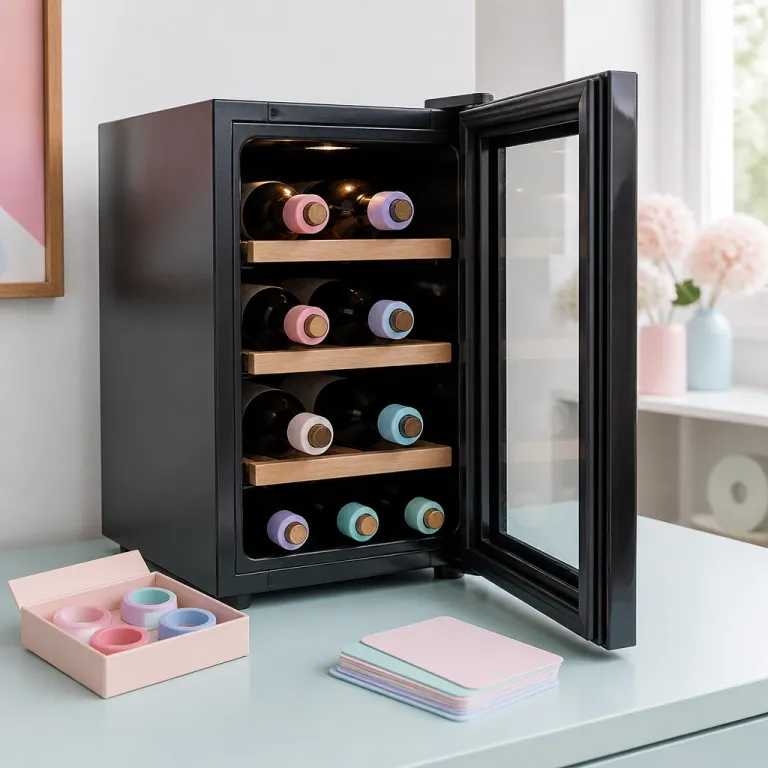
Most home cellars begin with a few simple wine racks tucked into a corner or a compact wine cooler that doubles as discrete storage. As the collection grows into multiple racks and maybe a small wine cellar or two temperature zones, you start juggling different wines, vintages, and bottle shapes across several systems. The more cellars, cabinets, and shelves you add, the more your brain must track bottle locations, purchase price, and ideal drinking windows, and that cognitive load is exactly where memory quietly fails.
Collectors often realise the problem when they open a cellar door and find a forgotten bottle that is well past its peak. You might remember owning that wine, but not which cellar, which row of racks, or whether it was part of a mixed case or a special allocation. Informal surveys on enthusiast forums and in books such as The Wine Bible (for example, the discussion of home cellar pitfalls in the chapter on storing and serving wine) suggest that once you cross that forty to fifty bottle range, most people can no longer rely on memory alone. At that stage, you need a repeatable organization system that can track wines, locations, and status, or your collection will start to feel like a disorganised attic rather than a curated set of bottles.
Designing a physical map: zones, racks, and simple labels
The most reliable foundation for any wine collection organization system is a clear physical map of your storage. Think of your wine cellar, wine wall, or under counter cabinet as a grid of zones, then assign each zone a simple code that you can write, read, and remember quickly. That zone code becomes the backbone of both your physical organization and any digital cellar management you add later.
Start with the hardware you already own, whether that is a freestanding wine cellar, a few modular racks, or a glass enclosed wall system that turns a room into a refined wine cellar as shown in this modern wine wall transformation. Group similar wines together in each zone, such as everyday bottles on lower racks, age worthy cellar wines in the most stable area, and fragile white wines higher up where vibration is minimal. Label shelves or columns with small tags so that each bottle position has a clear coordinate like A3 or C5, which you can later use to track bottles across your collection.
For many home cellar enthusiasts, neck tags and shelf labels are the simplest system that actually gets used. A paper tag on each bottle can show the wine, vintage, basic review shorthand, and a drink by range, while a shelf label notes the zone code and style such as “weeknight reds” or “long term cellar wines”. This physical organization works equally well in compact wine cellars, larger custom rooms, and even a single cabinet, and it keeps your racks visually legible so you can manage your collection without pulling every bottle out to read the label.
To make this concrete, imagine a small cellar divided into three columns (A, B, C) and five rows (1–5). Column A might hold everyday reds (A1–A3) and whites (A4–A5), column B your medium term bottles, and column C your long term cellar wines. A bottle logged as “B2” instantly tells you which rack, which shelf, and roughly which drinking horizon it belongs to, even years later. If you photograph this layout and save it as a simple “cellar map” image with alt text such as “wine cellar organization grid with zones A1–C5”, you create a quick visual reference that reinforces the system.
Small spaces, modular wine racks, and making every centimetre count
Many readers do not have a dedicated room sized wine cellar, but they still want a serious wine collection organization system. In apartments and compact homes, the challenge is to fit storage into tight spaces without turning your living area into a cluttered cellar. Here, modular wine racks and wall mounted systems let you scale your collection gradually while keeping the layout logical.
A narrow hallway, a recess beside the kitchen, or even the space under a staircase can become a small but efficient wine cellar when you use modular racks that stack vertically and lock together. If you are working with a very tight footprint, study elegant ideas for small wine cellars to see how designers combine shallow depth racks, glass doors, and careful cellar design to store dozens of bottles without overwhelming the room. In these compact cellars, the organization system must be even more disciplined, because a single misplaced bottle can block access to several others.
Use vertical zoning in small cellar layouts, with everyday wines at shoulder height, long term cellar bottles near the most stable temperature zone, and experimental wines in the least convenient spots. Even if your “cellars” are just two cabinets and a countertop rack, treat them as separate storage areas with their own codes, so your inventory notes always specify both the system and the exact rack position. This approach keeps your growing wine collection coherent, whether you eventually build a custom cellar or continue to rely on a mix of compact systems and modular racks.
Digital tools, web apps, and when software actually helps
Once your wine collection passes that mental threshold, a digital layer on top of your physical organization becomes extremely useful. A simple spreadsheet or notebook can work, but a dedicated web app or mobile tool designed for wine inventory will usually save time and reduce errors. The key is to choose a system that matches how you actually buy, store, and drink wines, rather than chasing every feature.
Some collectors gravitate toward full featured cellar management platforms such as eSommelier, which combine a database of wines, barcode scanning, and detailed cellar design tools for large wine cellars. Others prefer lighter solutions such as CellarTracker or Vivino, which focus on quick entry, community wine reviews, and drinking window alerts, and are often enough for a home cellar with a few hundred bottles. Whatever you choose, make sure the software lets you record the same zone codes and rack positions you use on your physical racks, so the digital map mirrors the real cellar.
For many home users, the most important features are the ability to track bottle locations, purchase price, and drink by dates in a way that feels almost as fast as grabbing a pen. If logging a new bottle takes more than half a minute, you will skip it, and the system will decay. A good digital guide should help you learn patterns in your own drinking, highlight which parts of the collection are aging well, and show at a glance which wines are ready now, so you can pull the perfect bottle without rummaging through every corner of your cellars.
As a rough comparison, eSommelier typically suits high value cellars with several hundred to thousands of bottles, where the higher upfront cost and professional installation are justified by deep reporting and custom cellar mapping. CellarTracker, by contrast, is usually inexpensive or free at entry level, excels at crowd sourced tasting notes, and works well for serious enthusiasts managing dozens to a few hundred bottles. Vivino tends to shine as a mobile first companion for casual to intermediate collectors, with fast label scanning, price discovery, and simple “drink now or hold” guidance, but lighter long term inventory tools than dedicated cellar software.
Catch up strategies, drinking windows, and the 30 second rule
Many readers arrive at a wine collection organization system only after they already have a chaotic cellar. If you are staring at a hundred unlogged bottles across several cellars and cabinets, the idea of cataloguing everything can feel overwhelming. The way through is to accept that you will not fix it in one evening and to use a structured catch up plan instead.
Start by stabilising your storage physically, grouping wines by broad style and drinking horizon, such as “drink soon”, “medium term”, and “long term cellar wines”. As you handle each bottle, log only the essentials into your chosen system, such as wine name, vintage, rough price, and the exact rack or zone code, and leave detailed tasting notes or reviews for later. If you are planning a more ambitious glass enclosed wine cellar or wall system, read about the thermal and structural questions in this guide to glass enclosed wine cellars so that your future design supports both temperature stability and clear organization.
To keep the system healthy once you have caught up, apply a strict thirty second rule to every new bottle that enters your home. Before a bottle touches a rack, you assign it a location, add it to your inventory, and note at least a rough drinking window, which might be as simple as “within three years” or “hold for five plus”. That tiny habit is what lets you manage your collection calmly over the long term, so your wines feel like a curated set rather than a maze of forgotten bottles scattered across multiple cellars.
If you prefer a ready made tool, you can create a simple “30 second inventory” spreadsheet with columns for wine name, vintage, style, purchase date, price, zone code, rack position, and drink by range. Saving this as a reusable CSV template on your phone or laptop means you can log bottles quickly in the cellar, then import the file into your chosen wine tracking app whenever you want deeper analysis.
Balancing aesthetics, budget, and long term cellar design
A thoughtful wine collection organization system is not only about data and discipline, it is also about how your cellars look and feel in daily life. The layout of your racks, the materials you choose, and the way bottles present themselves all influence how often you reach for a particular wine. When you align cellar design with your drinking habits, you naturally rotate through the collection and avoid both waste and frustration.
For a home wine cellar, you might combine metal racks for dense storage with a few display rows that tilt bottle labels forward for the wines you want to drink soon. Custom millwork can hide bulk storage behind doors while leaving a small “showcase” section visible, which keeps your living space elegant while still supporting serious wine storage in the background. When comparing systems, think beyond headline price and consider how each option will help you track locations, manage inventory, and maintain clear organization over many years.
Whether you are using a simple notebook, a sophisticated web app, or a professional platform such as eSommelier, the goal is the same. You want a system that lets you learn your preferences over time, see which parts of the collection are performing well, and pull the perfect bottle for any occasion without hunting through every cellar. When your physical racks, digital tools, and daily habits all point in the same direction, your wine collection becomes a calm, reliable part of your home rather than another source of mental clutter.
FAQ
How many bottles justify a formal wine collection organization system ?
Most collectors benefit from a formal wine collection organization system once they reach around forty bottles. At that point, it becomes difficult to remember every bottle, its location in the racks, and its ideal drinking window. A simple combination of zones, labels, and a basic log prevents missed vintages and lost wines.
Do I really need a digital web app for my wine cellar ?
A digital web app is not mandatory, but it becomes very helpful once your collection spans multiple cellars or cabinets. Software makes it easier to track price, vintage, and drink by dates across many bottles, especially when you reorganise racks or expand storage. If you prefer pen and paper, you can still use the same zone codes and organization principles in a notebook.
What is the best way to organize wines in a small space ?
In compact wine storage areas, vertical zoning and modular racks are usually the most efficient approach. Keep everyday wines within easy reach, long term cellar bottles in the most stable temperature zone, and experimental wines in less convenient spots. Clear labels and a simple map of your small wine cellar help you manage the collection without pulling everything out.
How should I handle a cellar that is already disorganized ?
When your wine cellars are already chaotic, start by grouping wines by style and rough drinking horizon. As you touch each bottle, assign it a location code, log the essentials into your chosen system, and place it back according to the new map. Working in short, focused sessions makes it realistic to bring even a large cellar collection under control.
How can I make sure I actually maintain my wine inventory over time ?
The most effective habit is to log every new bottle before it goes onto any rack or into any cellar. Keep the process under thirty seconds per bottle by recording only the key details you truly use, such as wine name, vintage, price, and location. When the system feels quick and light, you are far more likely to maintain accurate inventory and keep your collection aligned with how you really drink.