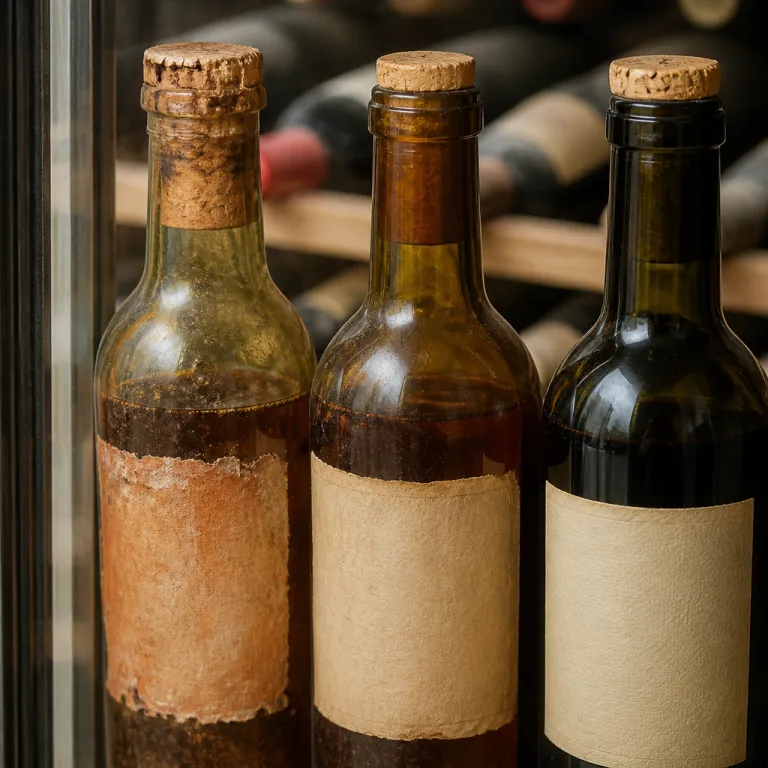
Why UV light ruins wine faster than most buyers expect
Wine is far more sensitive to light than many new collectors realise. When short wavelength UV light below 400 nanometres hits a bottle, it triggers photochemical reactions in the liquid that quickly damage wine quality and create so called lightstrike faults. Even a modest wine collection kept near a bright window can show muted aromas and a faint sulfur note after only a few hours of direct exposure.
In practice, this means the elegant glass door on a compact wine cooler is not just decoration but a barrier between your wines and invisible damage. Clear glass without proper protection lets a large share of UV pass, so the bottles inside are only partially protected and the long term risk to delicate whites and sparkling wines remains high. For red wines stored in a living room or kitchen, repeated daily bursts of sunlight through unprotected glass can slowly flatten fruit character and shorten the intended ageing term.
Lightstrike develops fastest in pale wines because the pigments that protect reds are largely absent. A bottle of glass wine such as a dry Riesling or Champagne left under strong light can show off flavours in a surprisingly short time, even if the surrounding temperature feels cool. That is why serious wine cellars still favour solid doors or heavily insulated glass, combining darkness, stable temperature control, and vibration free storage to preserve wine quality over the long term.
How to read UV protection claims on wine cooler glass doors
Most wine coolers with a glass door advertise UV protection, yet the product details rarely explain what those claims mean in real conditions. Standard clear tempered glass typically blocks only about a quarter of harmful UV, while tinted glass can reach between sixty and eighty percent filtration depending on the coating and thickness. When a manufacturer states that a door offers ninety percent UV protection, it usually refers to the proportion of UV energy blocked across the most damaging wavelengths, not visible light that makes the cabinet visually striking in your room.
For a first time buyer with a small wine collection, the key is matching protection level to placement and budget. A compact wine cooler with basic tempered glass may be acceptable in a shaded cellar room where direct light never hits the door wine surface. The same product becomes a poor choice beside a south facing window, where only a door with insulated glass, a UV reflective coating, and tight magnetic seals can keep wines properly protected for long term storage.
Marketing language around full glass fronts can also be confusing, because some brands use the term full glass to describe a frameless look rather than the actual structure of the doors. A truly protected glass assembly will specify double paned or triple layered construction, often with argon filled gaps that improve both insulation and UV protection. When you compare wine coolers, look for clear product details on glass type, stated UV filtration percentage, and whether the door is rated for use in bright rooms rather than only in enclosed wine cellars.
For readers planning a larger glass wine wall or a showpiece cellar glass installation, it is worth studying how architectural projects handle UV and temperature together. A detailed guide on enhancing your space with a glass wine wall from Wine Cooler Guru explains why structural glass, shading, and LED lighting must work together to protect a growing wine collection. The same principles apply at the scale of a single wine cooler door, where every layer of insulated glass and each design choice around light exposure contributes to overall protection.
Glass types ranked by real UV protection performance
Not all glass doors on wine coolers perform equally, even when they look similar from across the room. At the lowest tier, single pane tempered glass offers basic safety against shattering but only modest UV protection, so bottles near the front of the cabinet remain vulnerable if the unit faces strong light. Tinted tempered glass improves performance by absorbing more UV, yet the exact benefit depends on the coating quality and whether the door frame keeps the pane fully insulated from temperature swings.
Stepping up, double paned insulated glass with a UV reflective layer is where protection becomes serious for long term wine storage. These doors sandwich a gas filled gap between two sheets of cellar glass, cutting heat transfer while a surface coating reflects most UV away from the wine collection. Triple layered constructions, such as the triple glass used in some premium built wine cabinets, can block more than ninety percent of UV while also stabilising internal temperature, though they add cost and weight to the product.
Solid doors still provide the only practical way to reach one hundred percent UV blocking, which matters for very sensitive wines or for a zone wine compartment dedicated to ageing. If you plan a modern wine cellar glass design for an elegant home wine room, consider mixing one visually striking full glass display cabinet with adjacent solid door units that handle your most valuable bottles. A detailed overview of modern wine cellar glass design for elegant home wine rooms from Wine Cooler Guru shows how designers combine protected glass panels, insulated doors, and concealed storage to balance aesthetics with serious protection.
For buyers comparing models, it helps to think of glass types as a ladder of protection rather than a binary choice. Single pane clear doors sit at the bottom, tinted and double paned insulated glass occupy the middle, and coated triple layered doors approach the performance of a solid barrier while still letting you view your wines. Matching the rung of this ladder to your room, your budget, and your tolerance for risk is more important than chasing the most visually striking door wine design on the showroom floor.
Placement, temperature control, and interior lighting as first defences
Where you place a wine cooler often matters more than the exact glass specification on its doors. A modest unit with a decent insulated glass door can perform very well in a shaded corner, while the same cooler will struggle to protect wine if it faces hours of direct sunlight each day. Treat the room itself as part of the protection system, using blinds, curtains, or even a different wall to reduce the light load on the glass door.
Temperature control interacts closely with UV protection because heat accelerates the same chemical reactions that light initiates. A compressor based wine cooler with a stable zone wine setting around 12 °C to 14 °C will slow ageing and help maintain wine quality, especially when the cabinet uses a well sealed full glass door with low heat transfer. In contrast, a budget product with poor insulation and thin cellar glass may allow warm air to leak in around the frame, forcing the cooler to cycle more often and creating temperature fluctuations that stress your wines.
Interior lighting is another overlooked factor, particularly for first time buyers who enjoy the theatre of a softly lit wine collection. Modern LED strips emit negligible UV and very little heat, so they are generally safe for long term wine storage when used sparingly. Some older or very cheap wine coolers still rely on fluorescent bulbs, which produce more UV and can warm the front row of bottles, so it is worth checking the product details and favouring LED based designs whenever possible.
If you are planning a larger wine storage project, such as a wall of wine cellars with mixed glass and solid doors, think about how lighting will interact with both temperature and protection. A guide on modern wine cellar glass design for elegant home wine rooms from Wine Cooler Guru highlights how concealed LED tracks, dimmers, and motion sensors can keep bottles protected while still making the space visually striking when guests arrive. The same logic applies to a single under counter wine cooler in a kitchen, where a brief glow from LED lights during service is far safer than leaving bright interior lighting on all evening.
When a solid door beats glass for honest wine protection
There are situations where the most responsible recommendation is a solid door wine cooler rather than any form of glass front. If your only available placement is opposite a large window or beneath a skylight, even the best protected glass will still face intense light and heat that slowly erode wine quality. In such rooms, a fully insulated solid door with no transparent panels offers both complete UV blocking and better temperature stability for long term storage.
For collectors who value aesthetics, this can feel like a compromise, yet there are ways to balance function and design. One approach is to keep everyday wines and ready to drink bottles in a visually striking full glass cabinet placed in a safer corner, while ageing wines and higher value bottles rest behind solid doors in a darker part of the cellar. Over time, this split strategy protects the core wine collection while still giving you a display piece that celebrates your taste and anchors the room.
Practical details matter here, including the thickness of the insulated door, the quality of the gasket seals, and how the hinges support the weight of the structure. A well built wine cooler with a solid door should feel substantial when opened, with no flex in the panel and no visible light leaks around the frame. For buyers who want to understand how storage design affects both capacity and protection, Wine Cooler Guru offers a detailed guide on wine racks that hold Burgundy and Champagne bottles, explaining how spacing and depth influence bottle safety inside both glass fronted and solid door cabinets.
Ultimately, choosing between glass and solid doors is less about style and more about honesty regarding your space and habits. If you know the cooler will live in a bright kitchen and you often forget to close blinds, a solid door is the safer product even if it hides your wines from view. When you can control light, temperature, and placement, a high quality insulated glass door with proven UV protection becomes a reasonable and often rewarding choice.
FAQ
Does every wine cooler glass door provide enough UV protection for ageing
No, not every glass door on a wine cooler blocks enough UV for serious ageing. Basic single pane tempered glass often filters only a small portion of harmful wavelengths, which is acceptable for short term storage in a dark room but risky in bright spaces. For long term ageing, look for double paned or coated insulated glass with clearly stated UV filtration percentages above ninety percent.
Is a solid door always better than a glass door for wine storage
A solid door blocks all UV and usually insulates better, so it is technically superior for protecting wine. However, a high quality insulated glass door with strong UV coatings can be sufficient if the cooler is placed away from direct sunlight and used mainly for ready to drink bottles. The choice depends on your room conditions, your wine collection value, and how much you prioritise display over maximum protection.
How much does placement near a window affect wine in a glass door cooler
Placement near a window can dramatically increase both UV exposure and heat load on a glass door cooler. Even a door with good UV protection will warm up under direct sun, forcing the compressor to work harder and potentially creating temperature fluctuations inside. If you must place a cooler near a window, use blinds or curtains and choose the most heavily insulated and UV coated door you can afford.
Are LED lights inside a wine cooler safe for my bottles
LED lights inside a wine cooler are generally safe because they emit very little UV and minimal heat compared with fluorescent bulbs. Short periods of LED illumination for selecting bottles will not harm wine quality, especially when the cooler maintains stable temperature control. Problems arise mainly when bright interior lights are left on for many hours or when older fluorescent fixtures are used in a glass fronted cabinet.
What should first time buyers prioritise when choosing between different glass doors
First time buyers should prioritise three things when comparing glass doors on wine coolers. First, confirm the level of UV protection and whether the door uses single, double, or triple layered insulated glass. Second, consider where the cooler will sit in the room and how much direct light it will face, then choose the door type that realistically matches those conditions.