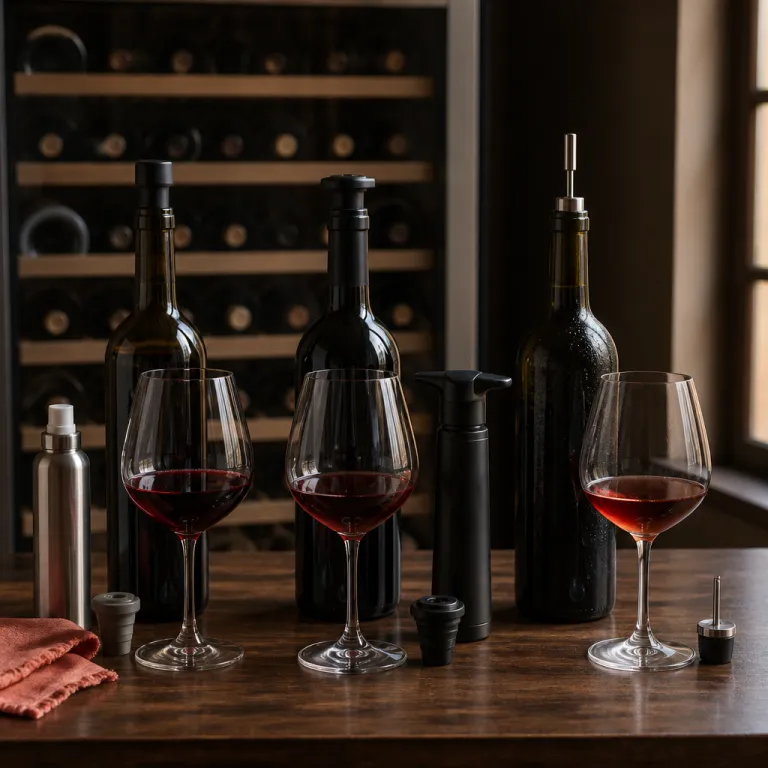
Why opened wine changes so fast and when oxygen helps you
Once a wine bottle is opened, oxygen starts reacting with aromas immediately. Over time that same oxygen softens tannins in young red wines, yet it also strips fruit and freshness from delicate wines if you wait too long. The core job of any wine preservation method after opening is to slow this reaction enough that the wine still tastes fresh when you return to the opened bottle.
Think about a glass of red wine left on the counter for a few hours. At first the wine seems tight, then after a short time in the glass it opens up and feels more generous and balanced. Leave that same glass overnight and the wine often tastes tired, with muted fruit and a flat finish that no preservation gadget can fully reverse after the damage is done.
Most still wines without any wine preserver remain pleasant for only a few days. Typically an opened wine bottle of white or rosé stays acceptable for one to three days, while a structured red wine can last two to five days if you keep wine in the fridge between pours. Sparkling wines are more fragile, because once you open the bottle the dissolved gas escapes quickly and even the best wine stopper rarely keeps the wine fresh for more than a day.
Vacuum pumps and stoppers: what they really preserve and for how long
Vacuum style wine preserver kits promise to remove oxygen from opened bottles. In practice these systems reduce the pressure in the wine bottle slightly, which slows oxidation but does not eliminate oxygen or fully preserve wine for long periods. Independent lab tests on common pump-and-stopper sets typically show a modest drop in dissolved oxygen rather than a complete vacuum, which aligns with real world results: with a typical VacuVin type preservation system after opening, you can expect an extra one to three days before the wine feels clearly tired.
Used correctly, a vacuum system wine tool can be enough for weekday reds. Pump until you hear the click, label the opened bottle with the date, then store it at refrigerator temperature to keep wine fresh as long as possible. For red wines you plan to drink the next evening, this combination of partial gas preservation and low temperature usually keeps flavours coherent, though very aromatic wines may still lose some top notes after opening.
There are limits that no vacuum systems can cross. Because some oxygen always remains in the bottle wine continues to evolve, and delicate wines or older red wine often fade faster than young, tannic bottles. If you regularly open multiple bottles at once from a serious collection, you will probably want to pair your wine cooler with more advanced preservation systems and also read the fine print on any warranty for electric wine preserver devices, since compressor failures or seal issues can ruin both storage temperature and preservation; a detailed guide to wine cooler warranties and what they really cover is available under this wine cooler warranties decoded resource.
Inert gas sprays and argon systems: using gas instead of vacuum
Inert gas sprays approach wine preservation from the opposite direction. Instead of trying to remove oxygen from an opened wine bottle, these preservation systems blanket the surface of the wine with heavier gas that pushes oxygen away. When used carefully, a can of argon gas or mixed inert gas can keep wine fresh for five to seven days after opening, sometimes longer for robust red wines; manufacturer guidelines and consumer tests generally fall within this range and provide the basis for these time estimates.
Technique matters more than the brand name on the gas preservation can. Hold the nozzle just inside the neck of the opened bottle, give one or two short bursts of pure argon or mixed inert gas, then insert the stopper immediately so the protective layer stays over the wine. Store the opened bottle at refrigerator temperature even for red wine, because cold slows chemical reactions and lets any gas based preservation system after opening work closer to its best potential.
Expect roughly forty to sixty uses from a typical can of argon gas, which makes each preserved bottle wine relatively inexpensive compared with the cost of the wines themselves; this estimate comes from average fill volumes, standard two second bursts per use, and manufacturer specifications for common consumer cans. For many enthusiasts this style of wine preservation system after opening hits a sweet spot between simplicity, cost, and performance, especially when you rotate several wines across a week. If you want a deeper dive into how an argon based wine preserver can elevate both everyday wines and special bottles, you can consult this detailed guide on an argon gas wine preserver and its impact on flavour.
Coravin and needle systems: when preserving a single glass makes sense
Needle based systems such as Coravin change the preservation equation entirely. Instead of managing an opened bottle, these systems let you pour a glass of wine without pulling the cork, replacing the displaced wine with pure argon so oxygen never reaches the remaining liquid. For collectors who want to taste multiple wines over weeks or months, this style of wine preservation system after opening can be the best wine oriented investment after a reliable cooler.
The trade off is cost and complexity. Each Coravin capsule contains compressed argon gas, and depending on your pour size and technique, the gas cost per glass can reach several units of currency, which only makes sense when you preserve wine from higher value bottles or rare red wines. Manufacturer specifications usually quote around fifteen five ounce pours per capsule under ideal conditions, so real world users often see slightly lower yields according to aggregated consumer reviews and independent usage tests.
Where needle systems shine is in structured red wine and age worthy whites that you want to follow over time. You can pour a small glass from several bottles in a single evening, then return to each opened wine weeks later with minimal change, provided the cork remains sound and the bottles rest at stable temperature in your wine cooler. If you mostly drink one wine bottle over a couple of days, though, the extra engineering of these preservation systems may be unnecessary compared with a basic gas preservation spray and careful cold storage.
Cold storage, accessories, and when to simply finish the bottle
Refrigeration is the quiet hero of every wine preservation system after opening. A cold environment slows the reactions between oxygen and wine, so even without advanced systems an opened bottle kept at low temperature will usually outlast a warm bottle sealed with a fancy wine preserver. For both red wines and whites, moving the bottle wine into your fridge or dedicated cooler immediately after pouring a glass buys you more days of drinkable freshness.
Accessories and replacement parts still matter in this equation. A worn stopper, a leaking preservation system, or a faulty cooler fan can undo the benefits of argon gas or vacuum systems by letting warm air and oxygen creep back into the opened bottle. If you are already an upgrade seeker with a serious collection, it is worth keeping spare stoppers, fresh inert gas cans, and even a compact rack such as the three bottles holder described in this space saving wine bottle rack test so that opened bottles stay stable and undisturbed.
There is also a point where preservation becomes more effort than it is worth. For simple everyday wines, the best wine strategy is often to share the opened wine with friends and enjoy the bottle at its peak rather than stretching it over many days with elaborate preservation systems. Save argon based gas preservation and needle systems for special occasions, higher value wines, or comparative tastings where keeping several bottles open over time genuinely enhances your experience.
Choosing the right preservation system for your habits and wines
Matching a wine preservation system after opening to your actual drinking patterns is more important than chasing the most advanced gadget. If you usually open one wine bottle and finish it within two days, a simple stopper and cold storage at the right temperature will keep wine fresh enough without any gas or vacuum. When you often rotate several opened bottles across the week, an inert gas spray offers a practical middle ground between cost, ease, and preservation time.
Collectors and enthusiasts who treat wines as a long term project benefit most from Coravin style systems. These needle based preservation systems let you taste red wines and whites over months, track how they evolve, and pour a single glass without committing to the whole bottle, though you pay for that flexibility in argon gas capsules and system maintenance. For this group, the combination of a stable cooler, reliable accessories, and a carefully used needle system wine tool can preserve wine quality while giving access to a wide range of bottles on any given evening.
Whatever route you choose, remember that no preservation system can turn a mediocre wine into a great one. Start with wines you enjoy, store them at appropriate temperature, and treat opened wine with the same care you give to unopened bottles. When in doubt, err on the side of opening fewer bottles at once, finishing them within a few days after opening, and using preservation tools to support your habits rather than dictate them.
FAQ
How long does wine last after opening with no preservation system
Without any dedicated wine preservation system after opening, most still wines remain pleasant for only a short window. Whites and rosés usually taste fine for one to three days, while many red wines can hold for two to five days if you keep wine in the fridge between pours. Sparkling wines lose their gas quickly and are best consumed within hours, even if you reseal the opened bottle with a stopper.
Is vacuum better than argon gas for preserving opened wine
Vacuum pumps and argon gas sprays solve different parts of the same problem. A vacuum style wine preserver slightly reduces pressure inside the wine bottle, slowing oxidation but leaving some oxygen in contact with the wine, while an inert gas spray blankets the surface with heavier gas that pushes oxygen away. In practice, argon based gas preservation usually keeps wine fresh for more days after opening, especially for delicate wines, though it costs more per bottle than a simple vacuum system.
Do I need a Coravin for everyday wines
Needle systems such as Coravin are designed for situations where you want to pour a glass from multiple bottles over weeks or months. For everyday wines that you finish within a few days, a combination of cold storage and either a vacuum stopper or an inert gas spray is usually sufficient and far cheaper per bottle. Coravin and similar preservation systems make the most sense when you are opening higher value red wines or rare bottles that you want to preserve wine over a longer time.
Should I refrigerate red wine after opening
Yes, refrigeration helps almost every wine preservation system after opening work better, including for red wine. Cold temperature slows the reactions between oxygen and wine, so an opened bottle stored in the fridge will usually outlast a warm bottle even without advanced preservation systems. You can simply return the bottle wine to serving temperature by taking it out of the fridge thirty to sixty minutes before pouring your next glass.
When is it better to finish the bottle instead of preserving it
For simple, inexpensive wines, the best wine strategy is often to enjoy the opened bottle within a single evening or over the next day rather than stretching it with complex preservation systems. Gas based tools, vacuum pumps, and needle systems shine when you are dealing with higher value wines, comparative tastings, or situations where you want to follow red wines over time. If the effort and cost of preservation exceed the value of the wine and your enjoyment, it is usually wiser to share the bottle and open a fresh one next time.