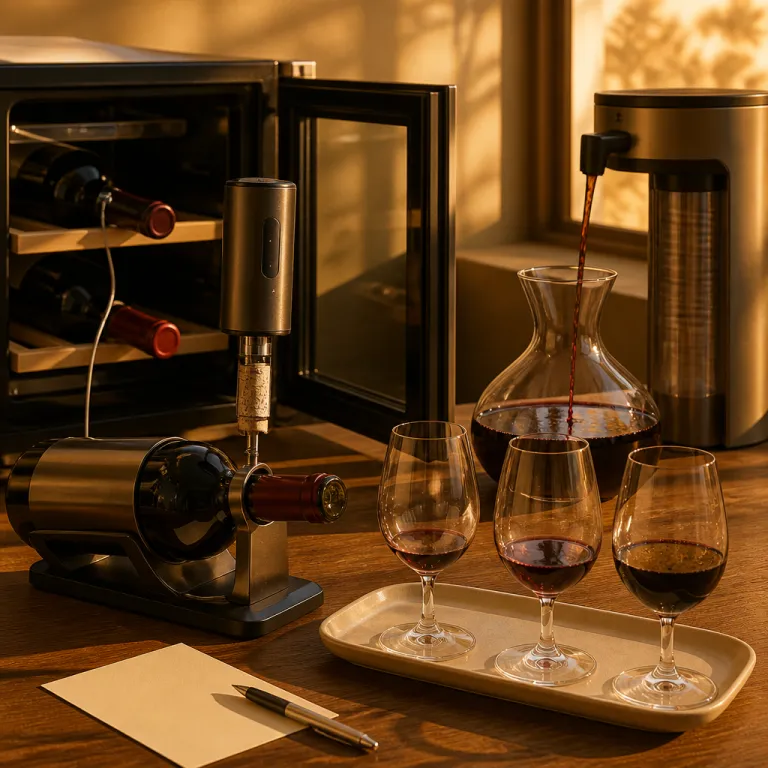
What a drinking window really measures in your cooler
A serious wine drinking window guide starts with one idea. A drinking window is the span of time when a wine tastes its most complete, balancing primary fruit, structure, and emerging complexity. It is not a hard expiry date, but a practical window that helps you drink wine when pleasure is highest, not just when the bottle survives.
Think of shelf life as how long a bottle of wine remains technically sound, while the drinking window tracks when that same bottle moves from tight to expressive to fading. Many wines in a home wine collection remain drinkable long after their peak, yet the fruit, acidity, and texture that once felt vivid become muted and flat. A good wine drinking window guide treats time as an ingredient, just like fruit quality or tannin level, and it shows you when that ingredient stops improving the dish.
For a collector using a wine cellar or modern wine cellars, the drinking window is your planning tool, not a rule carved in stone. It tells you when a bottle is ready to drink and when it might still benefit from more years of age. In a practical wine drinking window guide, the goal is simple; align your drinking windows with your actual drinking so that fewer bottles wait too long in the dark.
Why most everyday wines are held past their peak
Walk through any home wine cellar and you will see the same pattern. Everyday wines that were meant for optimal drinking within a short time are still sitting there, quietly sliding past their peak while the owner waits for some imagined perfect age. A realistic wine drinking window guide starts by admitting that most wines in your invintory are not built for long term cellaring.
As a rule of thumb, supermarket reds and many bistro style wines are at their best within two to five years of the vintage, when primary fruit is still vivid and the acidity feels fresh. Keep those bottles for many more years of age and the fruit fades faster than the structure, leaving a hollow, slightly bitter profile that no extra time can fix. The same applies to many unoaked whites; their drinking windows are short, and the window closes quickly once the fruit and acidity lose tension.
Temperature makes this worse when you store wine too warm, because every degree above a stable cellar range accelerates aging. A cellar cooling unit that maintains a steady 11 to 13 degrees Celsius, as explained in this guide to a stable wine cellar climate, slows that slide and keeps your drinking windows wider. Even then, a wine drinking window guide reminds you that stability protects quality, but it does not magically extend the intended drinking window of simple wines.
Reading labels, vintages, and styles as your starting point
Most collectors do not need a database to build a working wine drinking window guide. You can read the label, think about the style, and use a simple starting point to estimate when a bottle is ready to drink. The aim is not perfect precision; it is avoiding the long drinking delays that leave wines tired before you finally drink wine from them.
Light, fresh whites such as many chenin blanc wines usually show best within three to six years of the vintage, when fruit and acidity feel bright and the texture is still energetic. Structured reds with higher tannin, especially those from serious appellations, often need several reds years in bottle before they reach their peak, and their drinking windows can stretch longer if stored well. Vintage champagne and other traditional method sparkling wines often have two distinct drinking windows; an early one for primary fruit and energy, and a later one when tertiary notes of brioche, nuts, and honey emerge.
Bottle size also matters, because magnums age more slowly and keep their peak longer than standard bottles. If you are weighing formats for a growing wine collection, this analysis of why magnum bottles are a smart choice for collectors explains how larger bottles change the curve of age and optimal drinking. For most people managing a mixed invintory, using style, vintage, and bottle size as a starting point is enough to keep wines in their best drinking windows.
Finding reliable drinking windows without becoming a data nerd
Once you know the basics, a wine drinking window guide becomes a way to refine, not replace, your own judgment. You do not need to memorize vintages or track every bottle in a complex database to drink wine at the right time. You just need a few reliable references and a habit of checking them before you let bottles drift for too many years.
Professional critics and serious merchants often publish drinking windows for specific wines and vintages, and those ranges already factor in fruit ripeness, acidity, tannin, and style. Use those ranges as a starting point, then adjust for your own cellar conditions and taste; if you prefer more primary fruit, you might drink at the early edge of the window, while fans of tertiary notes may wait longer. When you see a drinking window that ends soon for a wine in your wine cellar, move that bottle to the front row and mark it as ready to drink.
For collectors who like structure, a simple spreadsheet or app that tracks drinking windows by vintage and style is often enough invintory control. You do not need to log every tasting note, only the time frames when each group of bottles should be opened. If you ever find yourself stuck with a mature bottle and no corkscrew, this guide to smart ways to open a wine bottle without a corkscrew can still save the evening and keep your wine drinking plans on track.
Too early or too late; which mistake really hurts more
Every wine drinking window guide eventually runs into the same anxiety. Is it worse to open a bottle too early, when the wine is tight, or too late, when the fruit has faded and the drinking window has closed. For most home collectors, the bigger risk is waiting too long, especially with wines that were never meant for decades of age.
Opening a structured red a little early often means you meet firmer tannins and slightly muted primary fruit, but the wine is still enjoyable with food and can soften in a decanter over time. Waiting too long, by contrast, can leave you with bottles where the fruit has thinned, the acidity feels sharp, and tertiary notes dominate without balance, turning what should have been a peak experience into a quiet disappointment. A practical wine drinking window guide encourages you to err on the side of slightly early for everyday wines, reserving long term patience for bottles whose structure and pedigree justify the bet.
Rotation habits help here; treat your wine collection like a pantry, where first in is usually first out, adjusted for style and vintage. Keep everyday bottles near the front of your wine cellars and mark special vintages or long term projects clearly, so they do not get lost behind younger wines. Over time, this simple discipline turns your cooler or cellar into a place where bottles are opened at their peak, not after their drinking windows have quietly slipped away.
FAQ
How do I know when a wine in my cooler is ready to drink
Start by checking the vintage, style, and producer guidance, then compare that to typical drinking windows for similar wines. If the wine is within or near that range and you like fresher fruit, open it on the earlier side. For richer, more developed profiles, wait until the later part of the suggested drinking window.
Can I age supermarket wines for many years in a home cellar
Most supermarket wines are designed for short to medium term drinking and do not improve for many years. They usually reach their peak within a few years of the vintage, even in a well controlled wine cellar. Holding them much longer often leads to faded fruit and less satisfying drinking.
Does a stable temperature really change the drinking window
Yes, stable cool temperatures slow the chemical reactions that age wine, which keeps drinking windows more predictable. Fluctuating or warm conditions can shorten the useful window and push wines past their peak sooner. A dedicated cooling system or well insulated space helps protect both everyday bottles and special vintages.
Are larger bottles better for long term aging
Larger formats such as magnums age more slowly because the ratio of wine to oxygen is higher. This often extends the peak drinking window and preserves freshness longer than standard bottles. For collectors planning long term cellaring of special wines, larger bottles can be a smart choice.
What should I do with bottles that are probably past their peak
Open one and taste it before deciding to discard or cook with the rest. Some wines remain pleasant even after their ideal drinking window, especially with food. If the wine seems tired but still sound, plan to drink the remaining bottles soon rather than waiting longer.