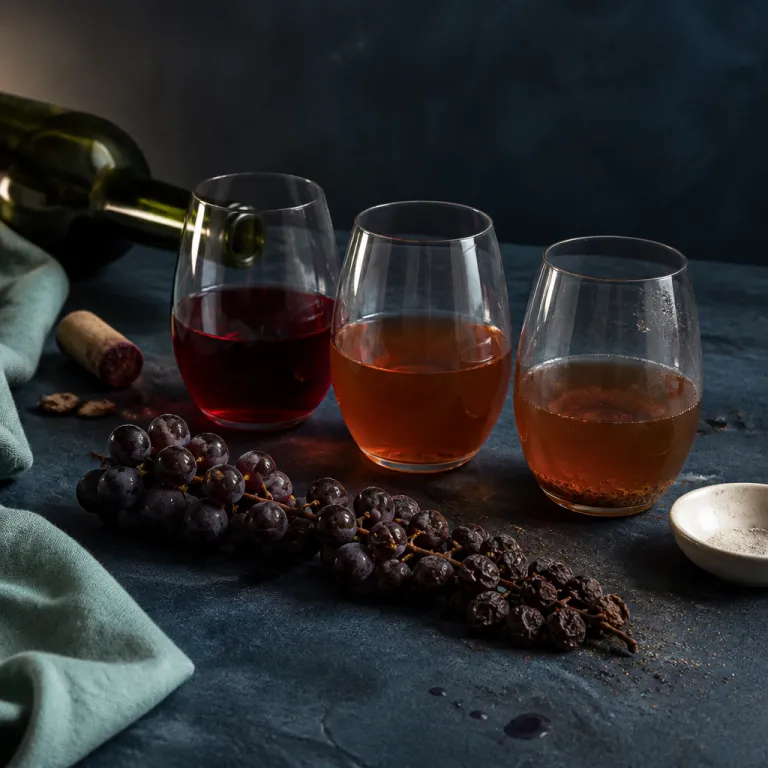
The science behind wine stored at room temperature damage
Wine is a living liquid, and temperature quietly dictates how it evolves. When you leave bottles sitting at typical room conditions, the damage comes from chemistry accelerating rather than some dramatic single event. Understanding that chemistry helps you choose the best storage solutions before your bottles cross a point of no return.
Every increase of a few degrees in storage temperature speeds up reactions that age wine, including oxidation, ester breakdown, and loss of volatile aromatics. A widely cited rule of thumb based on the Arrhenius equation suggests that many reactions roughly double in rate for each 10 °C rise in temperature, which is why a stable wine cellar held near the ideal temperature of 12–15 °C lets a bottle evolve slowly and predictably over many years. At typical indoor room temperature around 21–23 °C, those same reactions can run several times faster, so a wine age curve that should take a decade can be compressed into a few short years.
Heat does not just affect the liquid; it also stresses the bottle closure and the surrounding storage conditions. Cork expands and contracts with temperature fluctuations, pulling tiny amounts of oxygen into the bottle and creating improper storage even when the capsule looks intact. Research summaries from organizations such as the Australian Wine Research Institute report that wines held for months above about 20–25 °C show measurably higher levels of oxidation markers, color change, and free sulfur dioxide loss compared with bottles stored near 15 °C. That is why a modest but steady 16 °C in a basic wine fridge is safer for long term wine storage than a glamorous but warm kitchen rack where storing wine means daily swings between cool nights and hot cooking days.
One week at room temperature: what changes first
During the first days with wine kept at ordinary room temperature, damage is subtle but already measurable in lab tests. Aromatic compounds in white wine and lighter red wines are especially sensitive, so their delicate fruit notes start to flatten while structure still seems intact. If you are only keeping a bottle for a weekend of drinking, this early phase rarely ruins enjoyment, but it quietly shortens the wine age potential.
At this stage, the main risk is from short spikes in temperature rather than the average storage temperature itself. A bottle left near a sunny window or on top of a fridge can hit 26–30 °C for several hours, which is enough to push early oxidation and cooked fruit aromas. Trials reported by winery laboratories and technical bulletins have shown that even brief exposure above 30 °C can accelerate free sulfur dioxide loss and dull fresh fruit character compared with bottles held below 20 °C. To avoid this, keep wine in the darkest, coolest part of your home, and if you lack a dedicated wine cellar, even a simple cupboard on an interior wall is better than open kitchen storage.
Opened bottles are more vulnerable during these first days because oxygen is already in contact with the liquid. If you leave an opened white wine at room temperature overnight, you will notice muted aromatics and a slight browning edge far sooner than with an unopened bottle. For sparkling wines, using a quality bubbly wine stopper as explained in this guide on how to keep your sparkling wine fresh helps slow that decline, but even then, the fridge is your ally, not the countertop.
One month at room temperature: structural damage sets in
After several weeks, the impact of wine stored at room temperature moves from subtle aroma loss into real structural change. Tannins in red wines start integrating too quickly, acids soften, and the balance that winemakers designed for slow evolution in a cool cellar begins to tilt. What once felt like a firm, age worthy bottle can taste oddly loose and short on the palate after only a month in warm storage.
White wines show this phase even more clearly, especially aromatic white wine styles such as Riesling or Sauvignon Blanc. Their bright citrus and floral notes fade, replaced by dull, baked fruit tones that signal improper storage rather than graceful maturity. If you compare two identical bottles, one kept in a wine fridge at an ideal temperature around 12 °C and one left in a warm room, the difference in freshness after a month can be striking even for casual drinkers.
For collectors with 20–60 bottles, this is where a dedicated wine storage plan stops being optional. A compact compressor based wine fridge will hold a stable storage temperature far better than a standard kitchen fridge, which cycles colder and drier than ideal. Pairing that appliance with thoughtful organization tools, such as the accessories highlighted in this article on how L’Atelier du Vin elevates your wine experience, helps you store wine intelligently by separating ready to drink bottles from those you intend for longer aging.
Three months at room temperature: irreversible loss of complexity
By the three month mark, prolonged room temperature exposure usually crosses into territory you cannot reverse. Many wines held around 22 °C for this long lose the layered aromatics and precise textures that define true wine quality, even if they remain technically drinkable. You may not see obvious leakage or pushed corks, yet the wine age trajectory has been permanently bent toward fatigue.
Temperature fluctuations compound the problem over these months, especially in rooms that swing between daytime heat and cooler nights. Each cycle makes the liquid expand and contract, nudging the cork and allowing micro doses of oxygen to enter the bottle, which accelerates oxidation beyond what a cool wine cellar would permit. A wine stored steadily at 16 °C will usually taste fresher after three months than a bottle that bounced between 15 and 25 °C every day, even if their average temperature looks similar on paper.
Not all wines suffer equally, though, and understanding those differences can help you prioritize which bottles to rescue first. Full bodied reds with firm tannins and higher alcohol tolerate warm storage conditions better than fragile white wines or sparkling bottles, which show cooked flavors and lost effervescence sooner. Still, if you plan to keep wine for longer than a season, relying on room storage is a gamble, and investing in proper wine storage solutions or even a small passive cellar space will protect both your budget and your best bottles.
Practical strategies to avoid room temperature damage
Preventing heat related wine damage starts with honest assessment of your space and habits. If you regularly buy more than a few bottles at a time, you are already in the territory where dedicated wine storage makes sense. The goal is not perfection but to keep wine within a safe temperature band and to avoid big swings that punish both the liquid and the closure.
For most home enthusiasts, a compressor based wine fridge offers the best balance of cost, capacity, and stability. Look for models that hold a consistent 12–14 °C, advertise minimal temperature fluctuations, and provide vibration control, since constant shaking can also disturb sediment and aging. Dual zone units are helpful when you enjoy both red and white wines, letting you keep white wine ready for drinking at 8–10 °C while storing red wines slightly warmer without sacrificing long term wine storage safety.
If a full wine cellar or large appliance is not realistic, you can still improve storage conditions with smaller steps. Choose the lowest, darkest part of your home, away from appliances, radiators, and exterior walls, then store wine horizontally in sturdy racks to keep corks moist and limit oxygen ingress. When you plan to keep wine only for a few days before drinking, the kitchen fridge is acceptable, but for weeks or months, consider reading about vapor barriers and insulation in this guide to vapor barriers in wine cellars if you are building even a small dedicated wine nook.
Frequently asked questions about room temperature and wine damage
How long can I safely keep wine at room temperature ?
For everyday drinking wines, a few days to a couple of weeks at typical room temperature rarely causes obvious faults. Beyond a month, especially above 21 °C, you should expect some loss of freshness and complexity, with white wines and lighter reds showing damage first. If you plan to keep bottles longer than that, move them to a cooler, more stable environment such as a wine fridge or a naturally cool cellar space.
Does one hot day ruin a bottle of wine ?
A single hot day does not always destroy a bottle, but it can leave a mark if temperatures climb above 30 °C for several hours. Signs of serious heat exposure include a pushed cork, seepage, or aromas of stewed fruit and caramel rather than fresh fruit. When in doubt, open the bottle soon and avoid saving it for a special occasion, because long term wine storage after such stress rarely improves the result.
Is the exact temperature less important than stability ?
Within a reasonable range, stability matters more than chasing a perfect number. A wine stored steadily around 16 °C usually ages better than one that swings daily between 10 and 24 °C, even if the average temperature is similar. Aim for a cool, dark place with minimal temperature fluctuations, and your bottles will reward you with more reliable aging.
Which wines tolerate room temperature better ?
Structured red wines with higher tannin and alcohol levels generally handle room storage conditions better than delicate white wines, rosés, or sparkling bottles. That said, even robust reds lose nuance faster at 22–24 °C than at classic cellar temperatures around 12–15 °C. If you must keep some wines in a warm room, prioritize moving your most fragile whites and sparkling bottles into cooler storage first.
Should I refrigerate wine I plan to drink within a week ?
If your home runs warm, refrigerating wine you plan to drink within several days is a sensible safeguard. For red wines, you can store them in the fridge and bring the bottle out 30–45 minutes before serving to reach a comfortable drinking temperature. White wines and sparkling bottles benefit even more from cool storage, since their aromatics and acidity are especially vulnerable to heat.