Key design features that improve energy efficiency in wine coolers
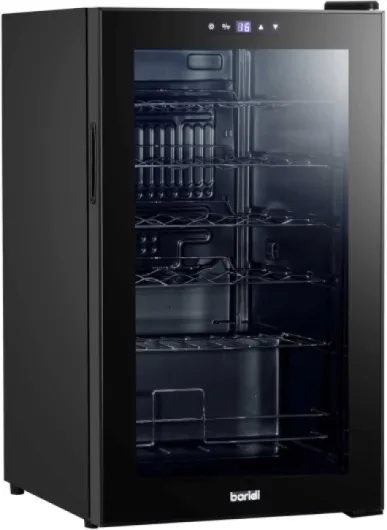
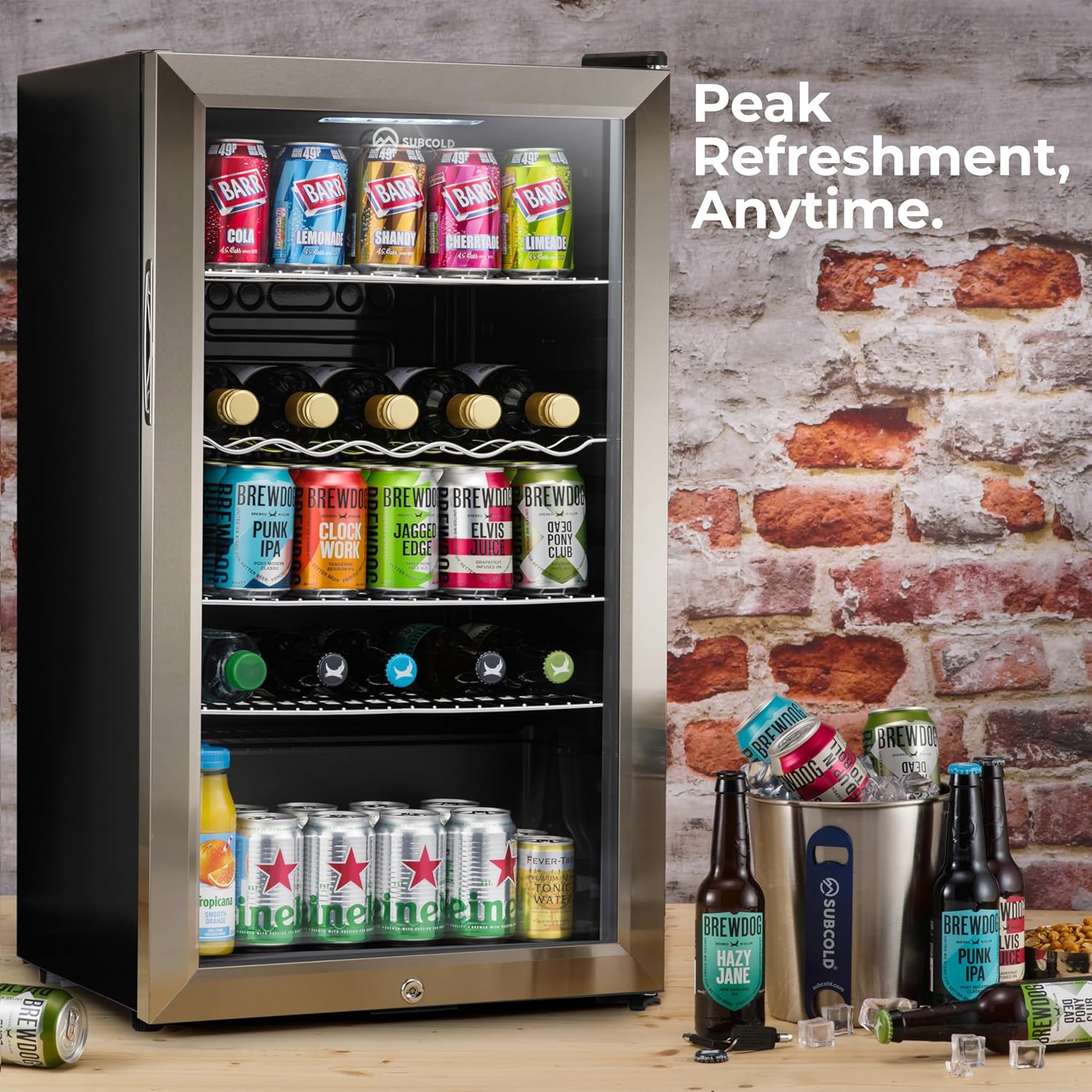
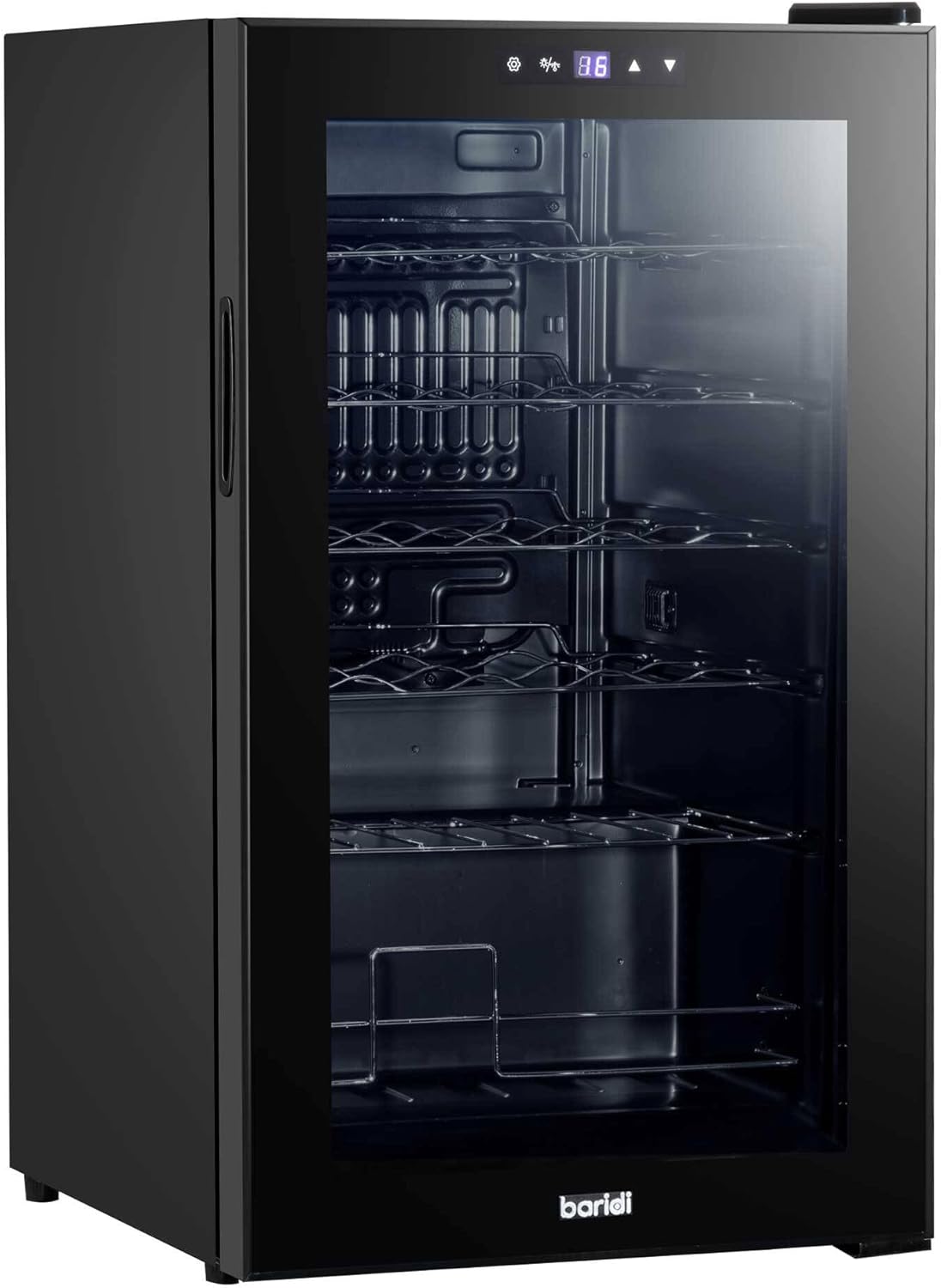
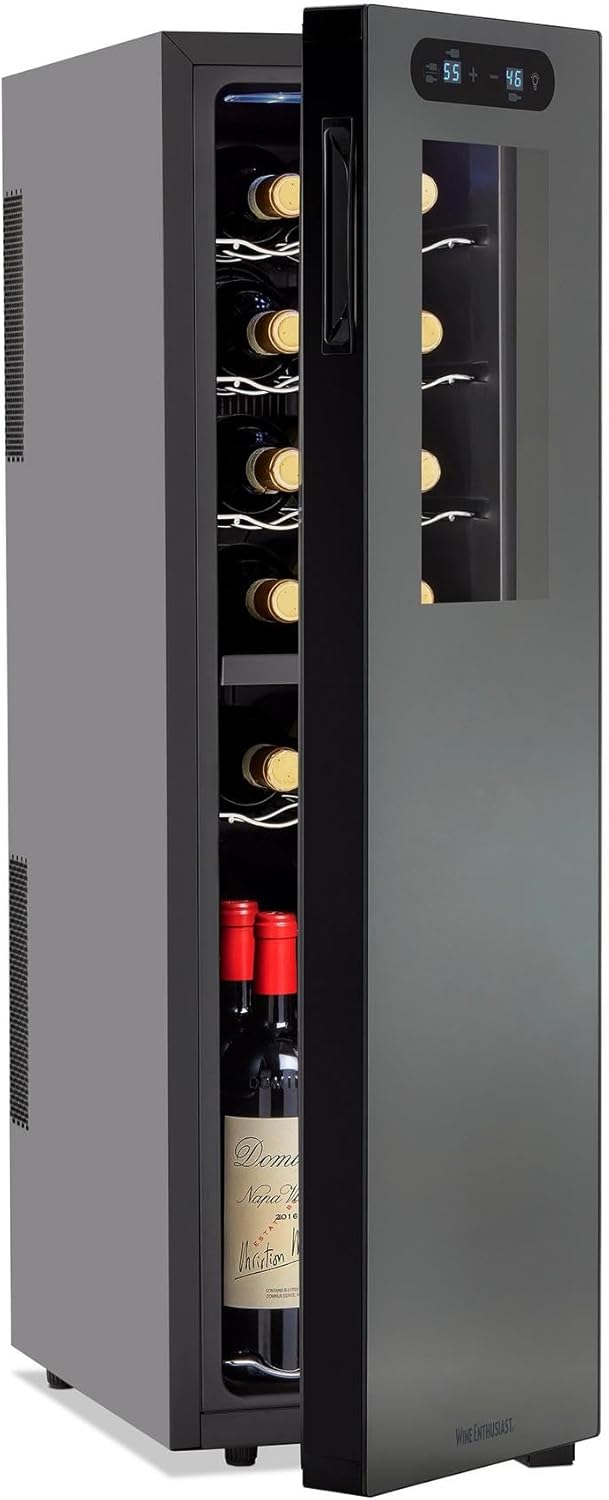
Several design choices separate the best energy efficient wine coolers from basic models that waste electricity. The most visible is the glass door, which should use double or triple glazed, low emissivity glass to limit heat transfer while still showcasing your wine. A poorly insulated glass door looks elegant in a showroom, yet it forces the cooling system to work harder every time the ambient temperature rises.
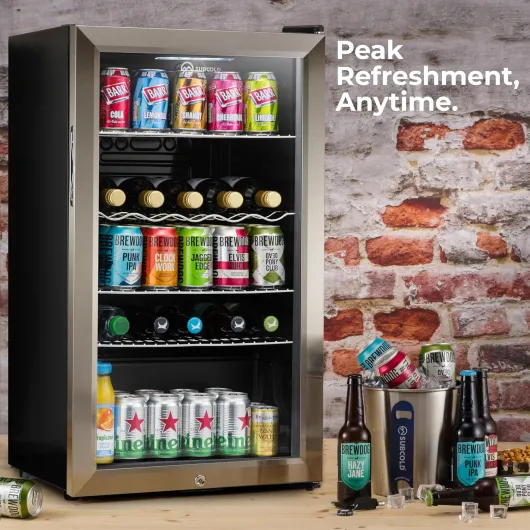
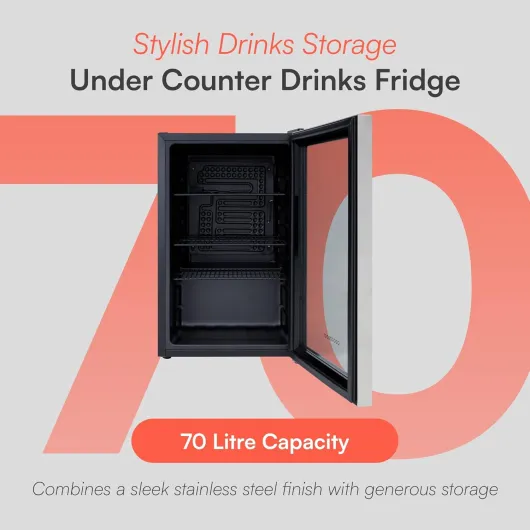
Pay attention to the frame and cabinet materials, because stainless steel trim alone does not guarantee low cooler energy use. What matters is the insulation behind that stainless steel skin, the quality of the door gasket, and whether the cooler door closes with a firm, even seal across the full height. When the seal is weak, warm air leaks in, the internal temperature drifts, and the compressor cycles more frequently, which undermines energy efficiency and long term reliability.
Modern energy efficient wine coolers often use variable speed compressors or advanced inverter technology to match cooling output to the actual load. Instead of switching fully on and off, these systems modulate power, which reduces energy consumption, limits vibration, and keeps the temperature zones more stable for sensitive wine. If you are comparing wine fridges with similar bottle capacities, the model with a variable speed compressor usually offers more efficient wine storage over its lifetime.
Smart features can help, but only when they support better control rather than just adding a spec sheet flourish, and a detailed analysis of smart features on modern wine fridges shows which functions genuinely reduce energy use. For example, precise digital control of each temperature zone, adaptive defrost cycles, and door open alarms all contribute to lower coolers energy use. In contrast, always on interior lighting or unnecessary Wi Fi functions can increase energy consumption without improving storage conditions for your bottles.
Choosing the right size, type, and number of zones for efficient wine storage
Right sizing is one of the most overlooked aspects when people search for the best energy efficient wine coolers. A compact wine fridge that matches your actual number of bottles will almost always use less electricity than an oversized wine cellar that sits half empty. Every extra litre of unused storage volume still needs cooling, so buying a larger product than you need locks in higher energy consumption for years.
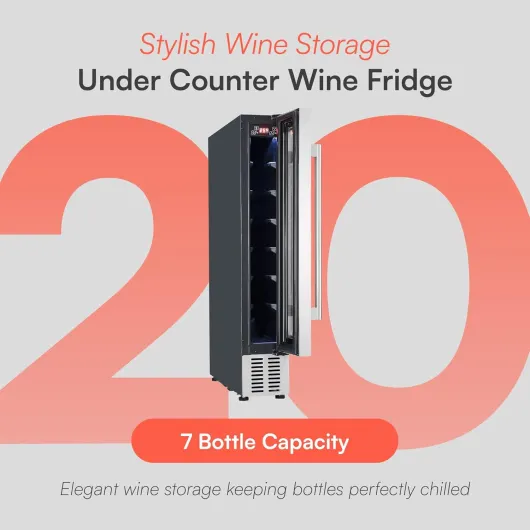
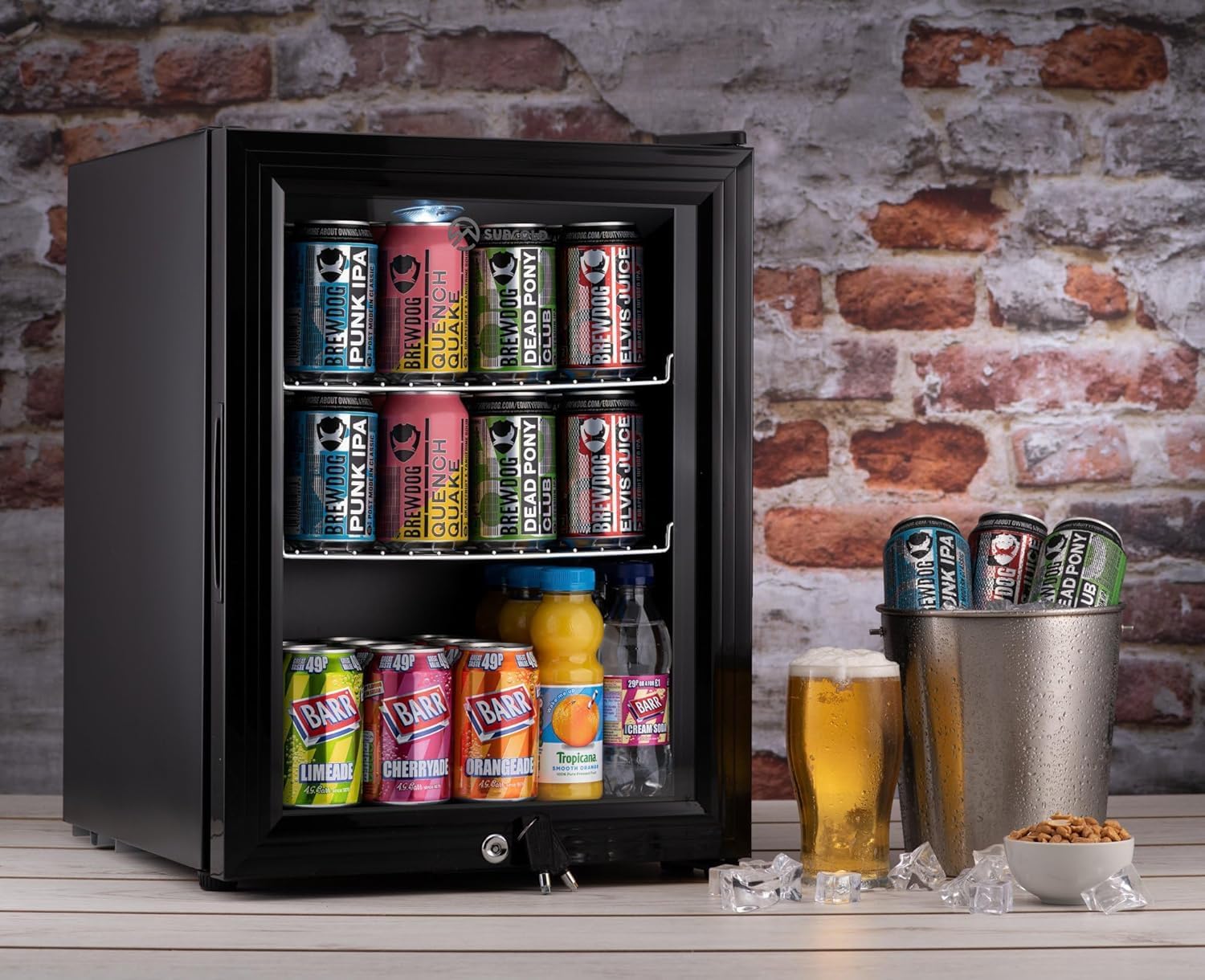
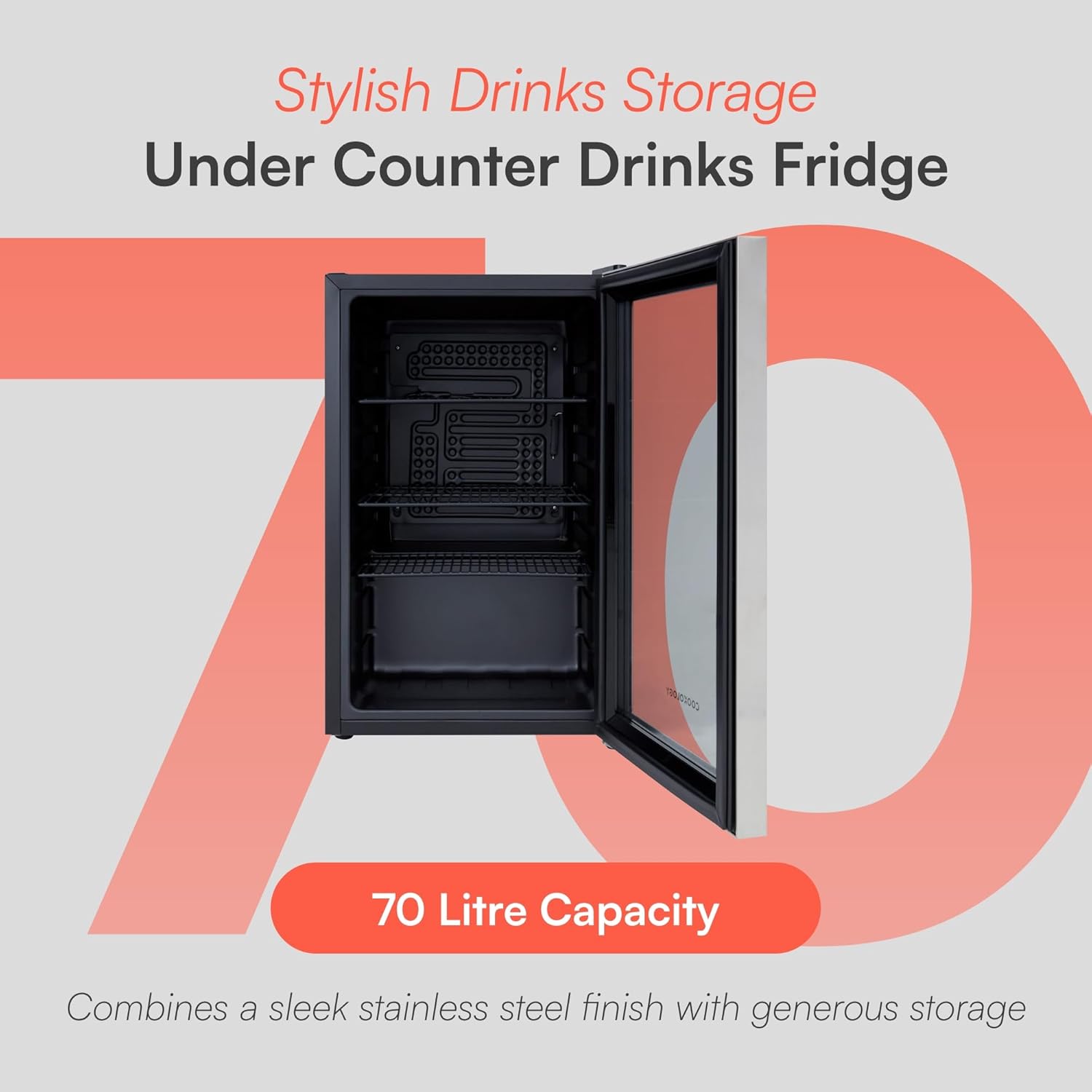
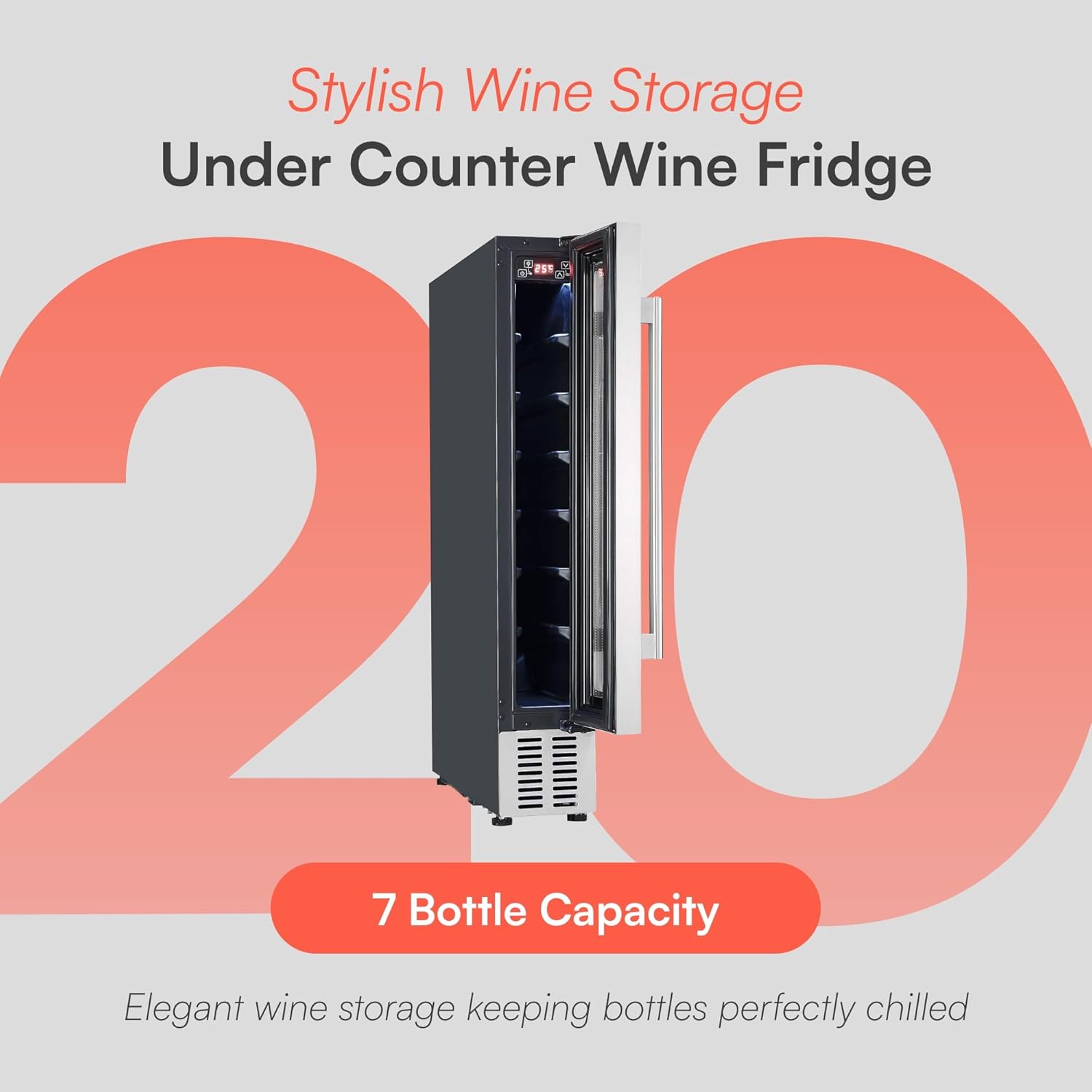
Think carefully about the type of cooler you need, because a built in under counter wine cooler behaves differently from a freestanding beverage cooler placed in open space. Built in wine coolers require front ventilation and usually run warmer behind the door, which can slightly increase cooler energy use compared with a similar freestanding model in a cool room. If you plan a kitchen renovation, it is worth reading about the mid range wine cooler problem, since many units in that price band compromise on insulation and compressor quality.
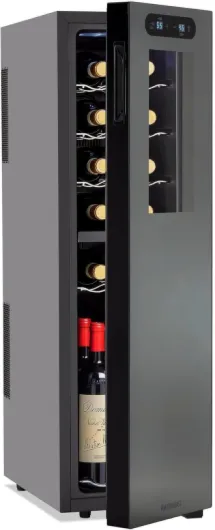
Zone configuration also affects both serving convenience and energy efficiency. A dual zone wine cooler lets you keep red wine at around 12 to 14 °C in one compartment and white wine at 6 to 8 °C in another, which optimises serving temperature without needing a separate beverage cooler. However, if you mostly drink one style of wine, a single zone wine cooler with a well chosen temperature range may be more energy efficient than running multiple zones you rarely use.
When comparing wine coolers, check whether each zone wine compartment can be switched off or adjusted widely, because flexible temperature zones help you adapt to seasonal changes and reduce unnecessary cooling. Some advanced wine fridges allow you to convert a serving zone into a higher temperature storage zone, which reduces cooler energy use when you are not entertaining. Matching the number of zones, the type of installation, and the true size of your collection is the most reliable path to owning one of the best energy efficient wine coolers for your home.
Materials, doors, and shelving that protect both wine and energy
The choice of materials in a wine cooler cabinet has a direct impact on both energy efficiency and wine quality. High density insulation behind the walls and around the door frame slows heat transfer, so the cooling system maintains a stable temperature with fewer cycles. Over time, that stability protects delicate wine aromas while also lowering electricity bills.
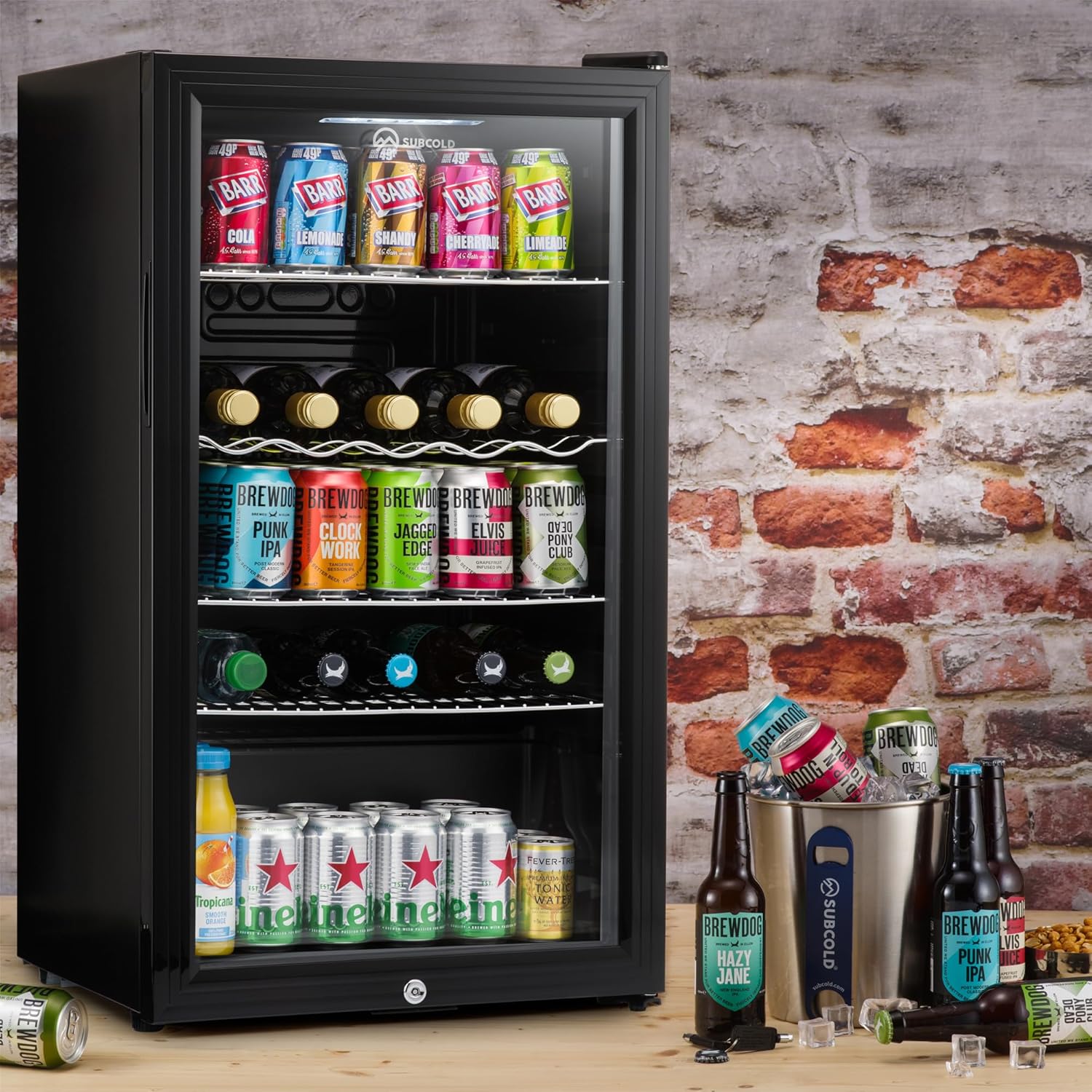
Door design deserves special attention, because it is the weakest point in any insulated enclosure. A solid door offers the best thermal performance, yet many people prefer a glass door to view their bottles, so the best energy efficient wine coolers use multi layer glass with low emissivity coatings and tight gaskets. When you open the cooler door, a soft close mechanism and a well aligned hinge reduce the time the interior is exposed to warm ambient temperature, which in turn limits coolers energy spikes.
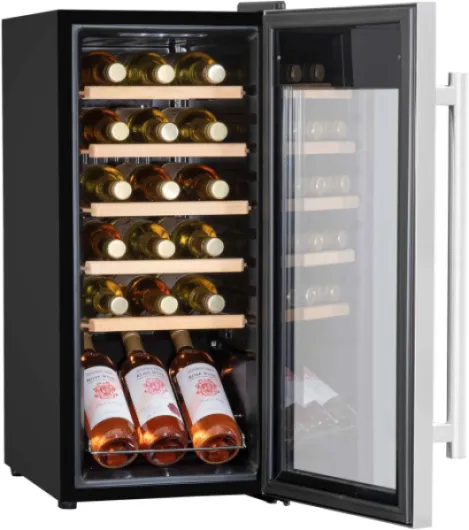
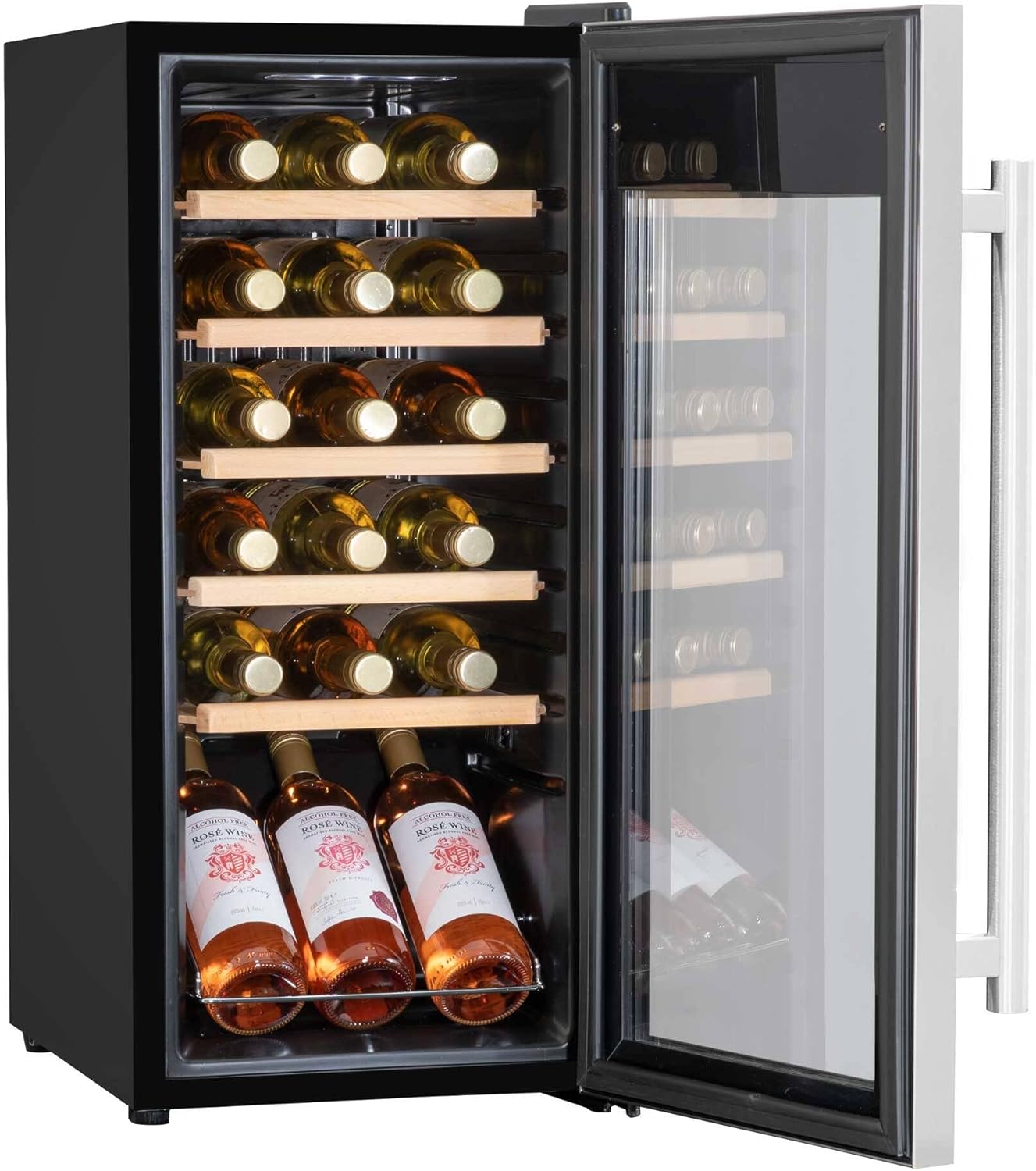
Shelving also influences how efficiently cold air circulates around your bottles. Sturdy wooden shelves or coated metal racks that allow free airflow between bottles help maintain an even temperature range from top to bottom, so the cooling system does not need to overcompensate for hot spots. If shelves are too solid or packed too tightly, cold air pockets form, the thermostat misreads the average temperature, and the compressor may run longer than necessary.
Look for wine fridges with adjustable shelves, because the ability to reconfigure storage for different bottle shapes prevents overloading and improves airflow. A well organised wine cellar style interior, with clear spacing and labelled rows, makes it easier to retrieve bottles quickly, which shortens door openings and reduces cooler energy waste. When these design details come together in a stainless steel framed cabinet with a high quality glass door, you get both elegant presentation and genuinely energy efficient wine storage.
Placement, ambient temperature, and real world energy consumption
Where you place a wine cooler often matters more than the brand printed on the door. Every compressor based wine fridge exchanges heat with the surrounding air, so the ambient temperature and ventilation around the cabinet strongly influence real world energy consumption. A cooler squeezed into a tight alcove or placed beside an oven will never perform like the laboratory figures on its energy label.
For the best energy efficient wine coolers, manufacturers usually specify a minimum clearance at the back and sides to allow free airflow. Respecting these distances lets the condenser release heat efficiently, which keeps the cooling system within its designed temperature range and reduces coolers energy use. If you ignore these guidelines, the compressor runs hotter, electricity use climbs, and the lifespan of the product can shorten significantly.
Room climate also plays a decisive role, especially in homes without air conditioning. A wine cooler in a cool basement or shaded pantry may use far less energy than the same model in a sunlit kitchen where the ambient temperature regularly exceeds 25 °C. When you understand this relationship, you can often achieve more efficient wine storage simply by relocating the unit rather than buying a new cooler.
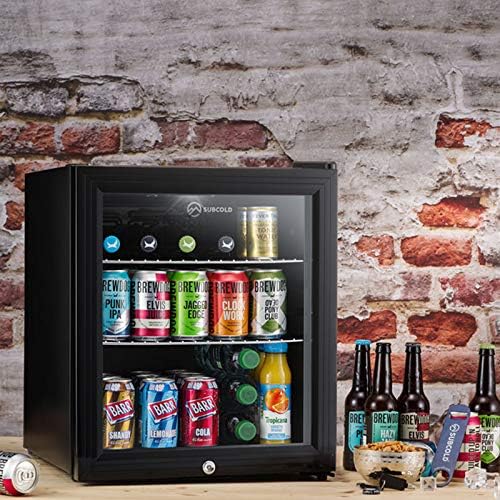
Think about how often you open the cooler door, because frequent access for serving wine adds heat and forces extra cooling cycles. If you entertain regularly, consider using a smaller beverage cooler near the dining area for ready to drink bottles, while keeping your main wine cellar style fridge in a more stable room. This two tier approach can reduce cooler energy use overall, since the long term storage unit experiences fewer temperature shocks and maintains a steady, efficient cooling rhythm.
Balancing performance, running costs, and long term value
Evaluating the best energy efficient wine coolers means looking beyond the purchase price to total cost of ownership. A slightly more expensive wine cooler with better insulation, a high quality compressor, and precise temperature control can pay for itself through lower electricity use and fewer service issues. Over a decade, the difference in energy consumption between efficient wine coolers and basic models can easily reach several hundred kilowatt hours.
When you compare products, calculate an approximate running cost by multiplying the stated annual electricity use by your local price per kilowatt hour. This simple exercise reveals how a cooler with modestly lower energy consumption can save meaningful money while also reducing environmental impact. It also highlights why some of the best energy efficient wine coolers sit in the upper mid range of the market, where manufacturers invest more in engineering than in cosmetic features.
Think about your broader wine journey as well, because storage and serving habits evolve over time. If you plan to build a serious collection, a well specified dual zone wine cooler with flexible temperature zones offers both ageing stability and perfect serving temperature for different styles. For those who enjoy seasonal rituals, such as preparing a refined countdown with an Advent wine calendar, pairing an efficient main cellar with a smaller unit for special occasions, as discussed in this elegant guide to choosing an Advent wine calendar, can keep overall cooler energy use under control.
Finally, remember that an energy efficient wine fridge is part of a wider home energy strategy, alongside efficient lighting, appliances, and heating systems. When you choose a product with strong energy efficiency credentials, place it in a suitable climate, and use it thoughtfully, you protect both your wine and your budget. That combination of technical performance, careful placement, and informed use is what truly defines the top energy efficient wine coolers on the market.
Key statistics on energy efficient wine coolers
- According to the European Commission, modern A class refrigeration appliances can use up to 60 % less electricity than older G class units, which means a well chosen energy efficient wine cooler can cut running costs by more than half compared with a legacy model of similar size.
- Data from the U.S. Department of Energy show that household refrigeration typically accounts for around 7 % of residential electricity use, so upgrading to one of the best energy efficient wine coolers can make a noticeable contribution to overall home energy savings when combined with other efficient appliances.
- Independent laboratory tests published by consumer organisations have found that well insulated wine fridges with double glazed glass doors can reduce cooler energy consumption by 15 to 25 % compared with similar capacity units using single pane glass, while maintaining tighter temperature stability for stored bottles.
- Field measurements in temperate climates indicate that placing a wine cooler in a room where the ambient temperature averages 5 °C lower can reduce annual energy use by roughly 10 to 15 %, highlighting the importance of thoughtful placement in addition to choosing an efficient product.