Key features that define top stainless steel wine coolers
Choosing among the best stainless steel wine coolers starts with understanding core features. Capacity, temperature range, and the number of shelves all shape how well a cooler will fit your bottles and your space. A careful look at these elements prevents paying a high price unit for a wine fridge that does not match your beverage habits.
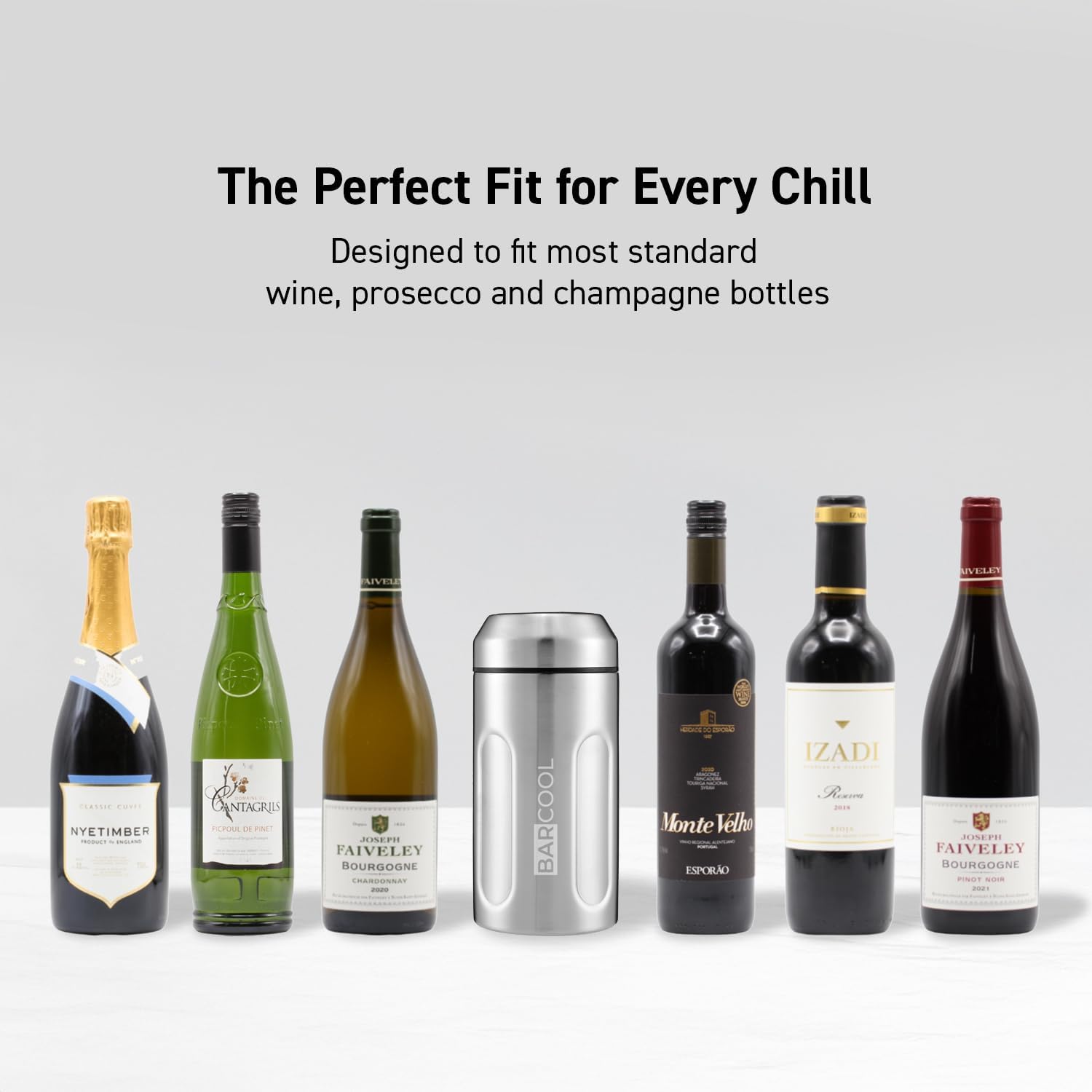
Capacity is usually expressed in the number of standard wine bottles, but real world storage is more complex. Champagne bottles, large format bottle wine, and oddly shaped beverage cans can reduce the stated bottle count by 15 to 25 percent, especially when shelves are tightly spaced. Before comparing sale price and regular price, check whether the shelves are adjustable or removable so the cooler can adapt to your actual collection.
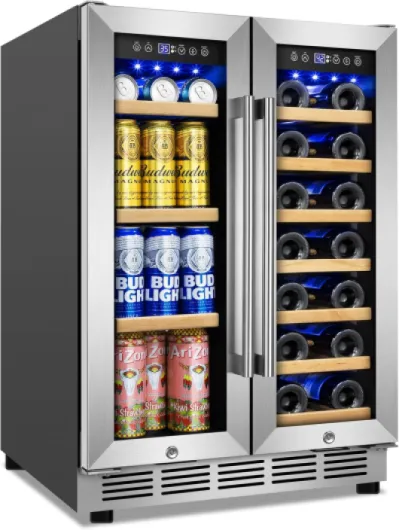
Temperature control is the second pillar of performance in any stainless steel wine cooler. A single zone wine cooler keeps all wine bottles at one temperature, which works well if you mainly drink red wine or mainly white wine. A dual zone wine cooler, by contrast, offers two independent compartments so you can chill sparkling wine in one zone and cellar temperature reds in the other zone.
Many top stainless steel wine coolers now include digital controls with a clear display on the door. This makes it easier to monitor the temperature range without opening the cooler and disturbing the internal climate. Some fridges also include alarms that signal when the door is left open or when the temperature drifts outside the chosen range.
Door construction deserves special attention because it affects both efficiency and noise. A solid stainless steel trimmed door with double pane or triple pane glass reduces vibration and keeps the cooler quieter in open plan living spaces. Reversible door hinges also help you position the wine cooler near cabinets or other fridges without blocking access.
For readers who want a curated shortlist of models, a detailed comparison of top stainless steel wine coolers highlights how different brands balance features, storage, and price. You will see how some wine coolers prioritise a wide temperature range, while others focus on flexible shelves or a lower unit price. Studying these trade offs clarifies which wine fridge design best matches your own kitchen and beverage routine.
Single zone versus dual zone stainless steel wine fridges
The choice between a single zone and a dual zone stainless steel wine fridge shapes how you serve wine every week. A single zone wine cooler maintains one stable temperature, usually between 10 and 14 degrees Celsius, which suits long term storage of mixed wine bottles. This configuration keeps the cooler simpler, often with a lower price regular and a more compact footprint.
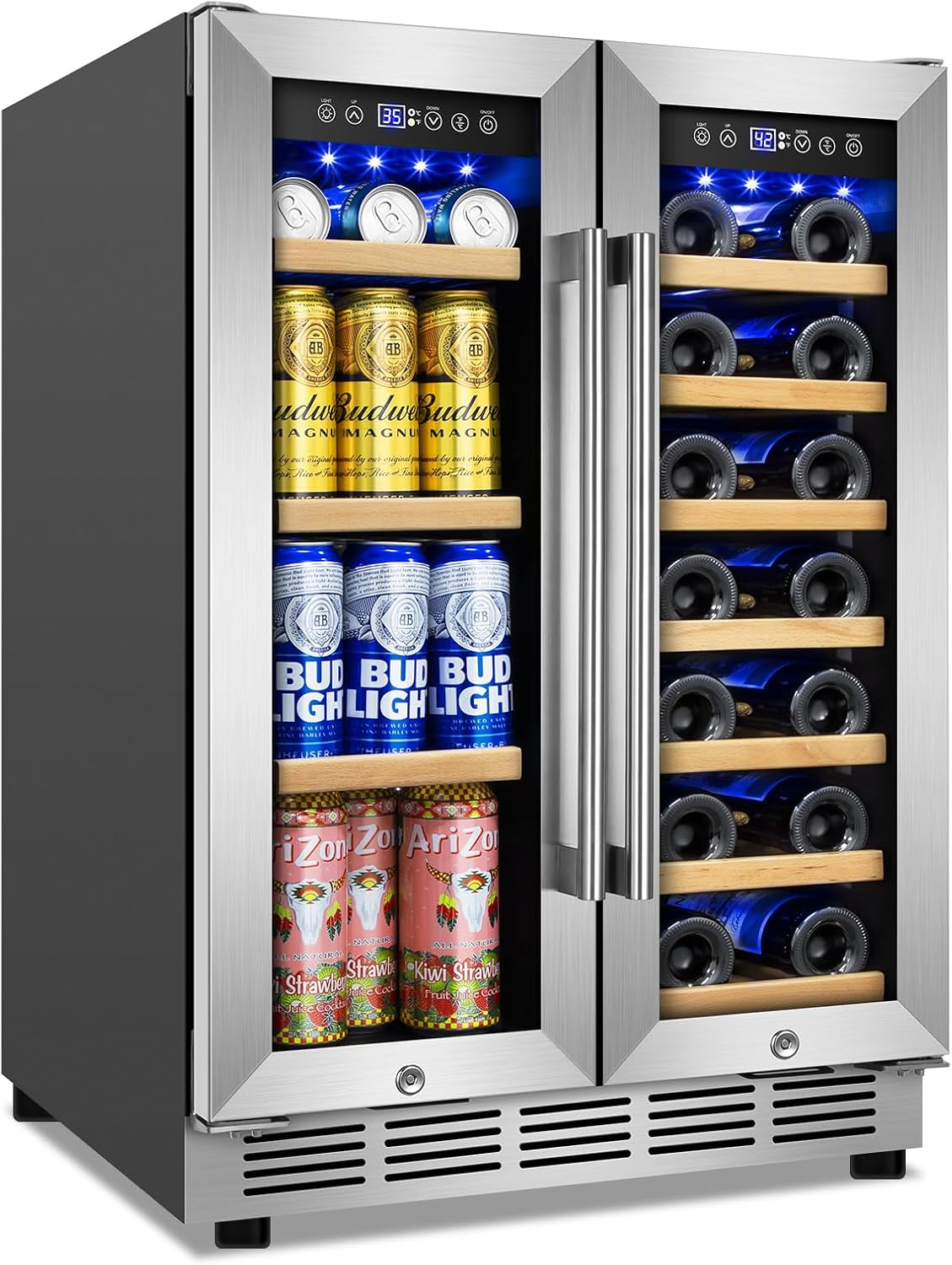
Dual zone stainless steel wine coolers divide the interior into two compartments with separate controls. One zone can be set around 5 to 8 degrees Celsius for sparkling wine and chilled beverage cans, while the other zone holds red wine at 12 to 18 degrees Celsius. This flexibility lets you keep a ready to pour bottle chiller section for guests while still ageing a bottle wine collection at a gentler temperature.
For many households, a single zone wine fridge is enough when the focus is on storage rather than instant serving. If you mainly buy wine by the case and move bottles to the kitchen fridge before dinner, a single zone stainless steel wine cooler offers excellent value at a modest sale price. The simpler design also reduces the risk of component failure over time.
Enthusiasts who enjoy both crisp whites and structured reds often prefer dual zone fridges despite the higher regular price. Having two temperature range settings in one stainless steel cabinet saves space compared with buying two separate wine coolers or a separate beverage fridge. It also keeps your best wine ready at the ideal serving temperature without last minute ice buckets.
When comparing single and dual zone models, pay attention to how each zone is divided by shelves. Some dual zone wine coolers allocate most of the space to the lower zone, which may not suit you if you drink more chilled beverage styles. Check whether the manufacturer lists the bottle capacity for each zone separately, not just the total bottle count.
Energy use also differs between configurations, and efficient models can reduce long term running costs. Guides to top energy efficient wine coolers show that some dual zone units now match or beat single zone coolers on electricity consumption. If you run several fridges in a small space, choosing an efficient stainless steel wine chiller helps control both noise and energy bills.
Capacity, space planning, and shelf design for serious collections
Capacity labels on stainless steel wine coolers can be misleading if you do not examine the interior layout. A cooler advertised for 46 bottles might only hold that number when every wine bottle is a slim Bordeaux shape, stacked tightly on fixed shelves. Real collections usually include wider bottles, mixed beverage cans, and the occasional single bottle gift that disrupts neat rows.
Shelf design determines how efficiently you can use the available storage space. Wooden shelves glide more smoothly and protect labels, while metal shelves conduct cold faster and can support heavier bottle wine formats. Look for shelves that extend far enough to access the back bottle without scraping the door frame of the wine fridge.
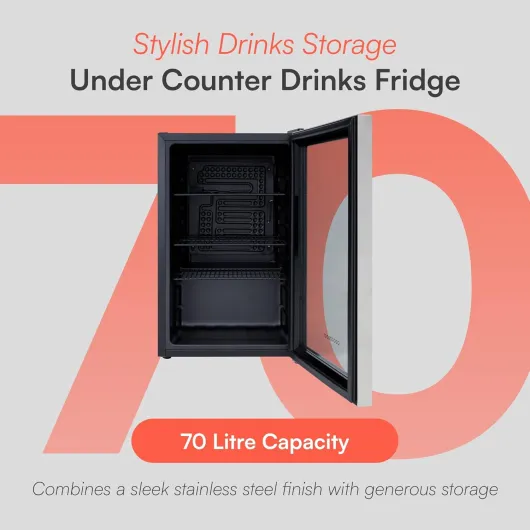
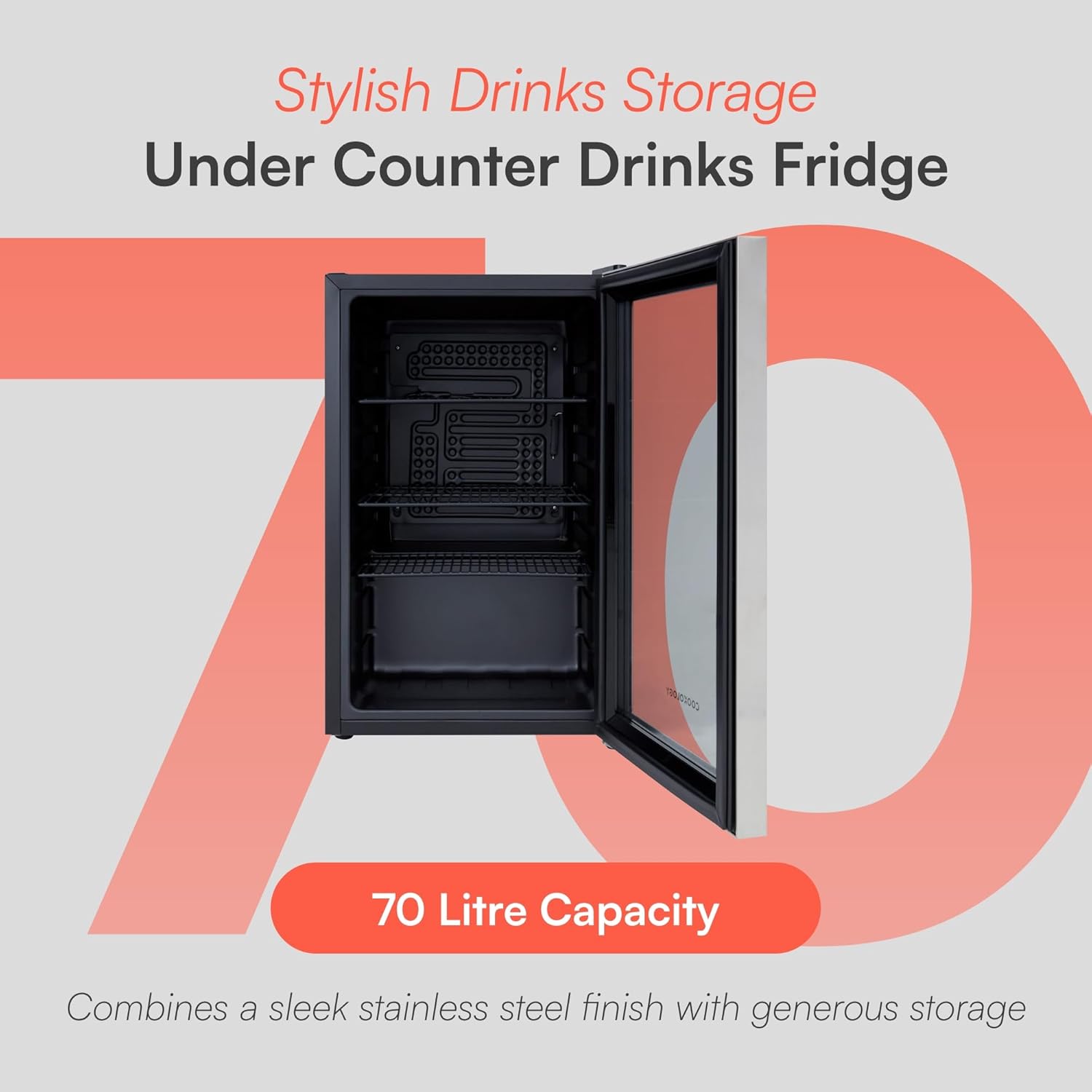
For built in installations under a counter, measure the niche carefully before choosing among the best stainless steel wine coolers. You must allow clearance for the door to swing fully and for ventilation grills to breathe, especially with front venting fridges. A tight fit can overheat the compressor and shorten the life of the wine cooler or beverage fridge.
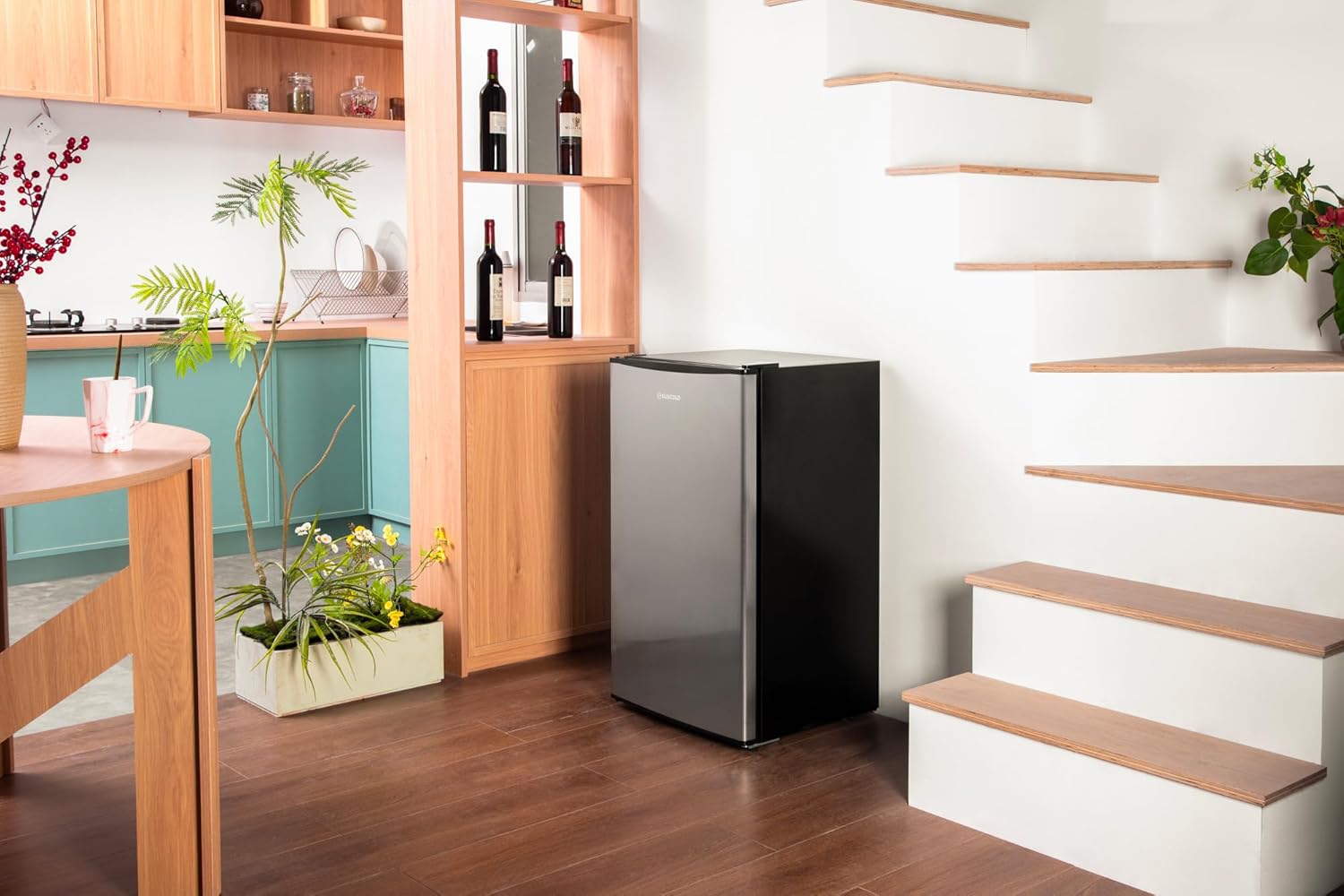
Freestanding stainless steel wine coolers offer more flexibility but still require planning. Leave several centimetres of space behind and above the cooler so warm air can escape, and avoid placing the unit next to an oven or dishwasher. Heat sources force the cooler to work harder, which narrows the effective temperature range and may affect the stability of your best wine.
Serious collectors often underestimate how quickly a modest bottle capacity fills up. An in depth guide to sizing a wine cooler correctly explains why many buyers outgrow their first wine coolers within a few years. Planning for at least 30 to 50 percent more bottles than you currently own gives your collection room to evolve.
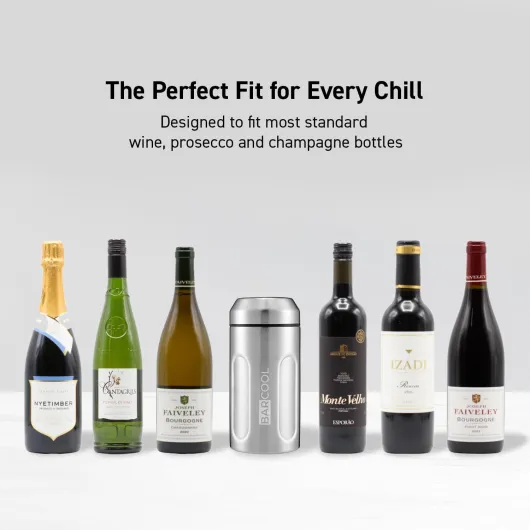
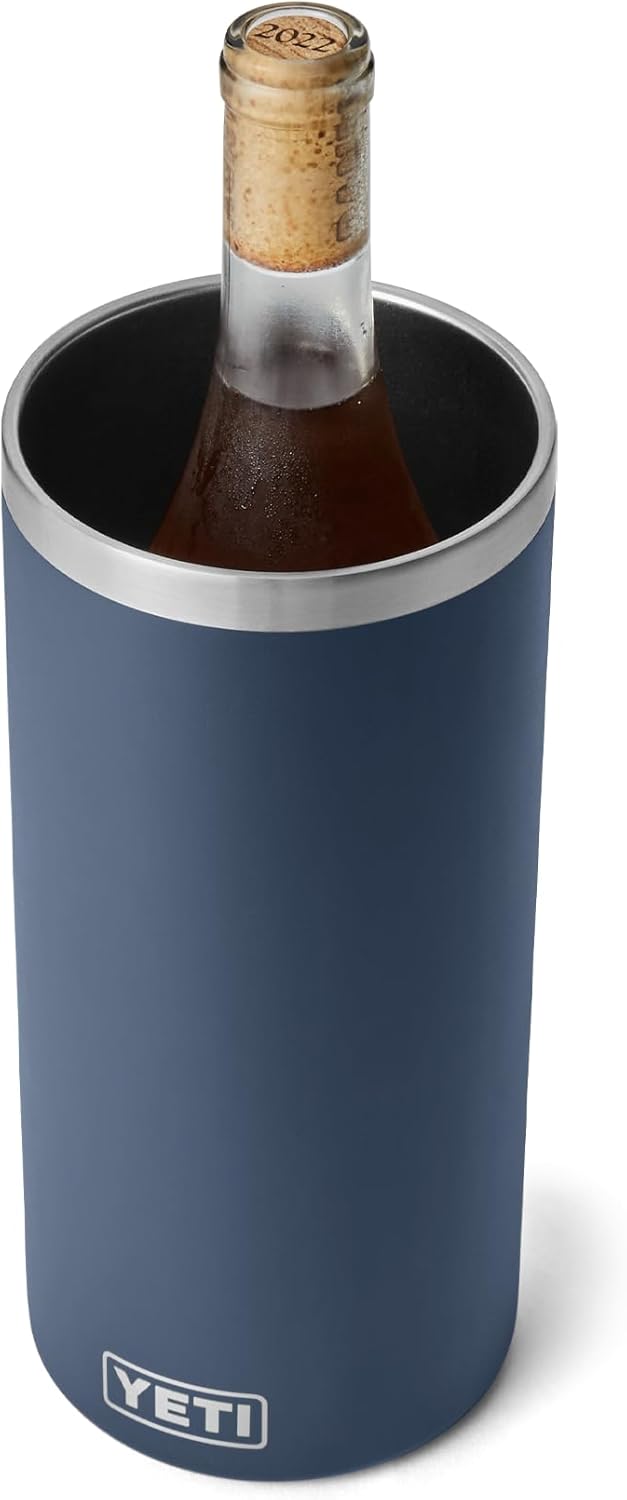
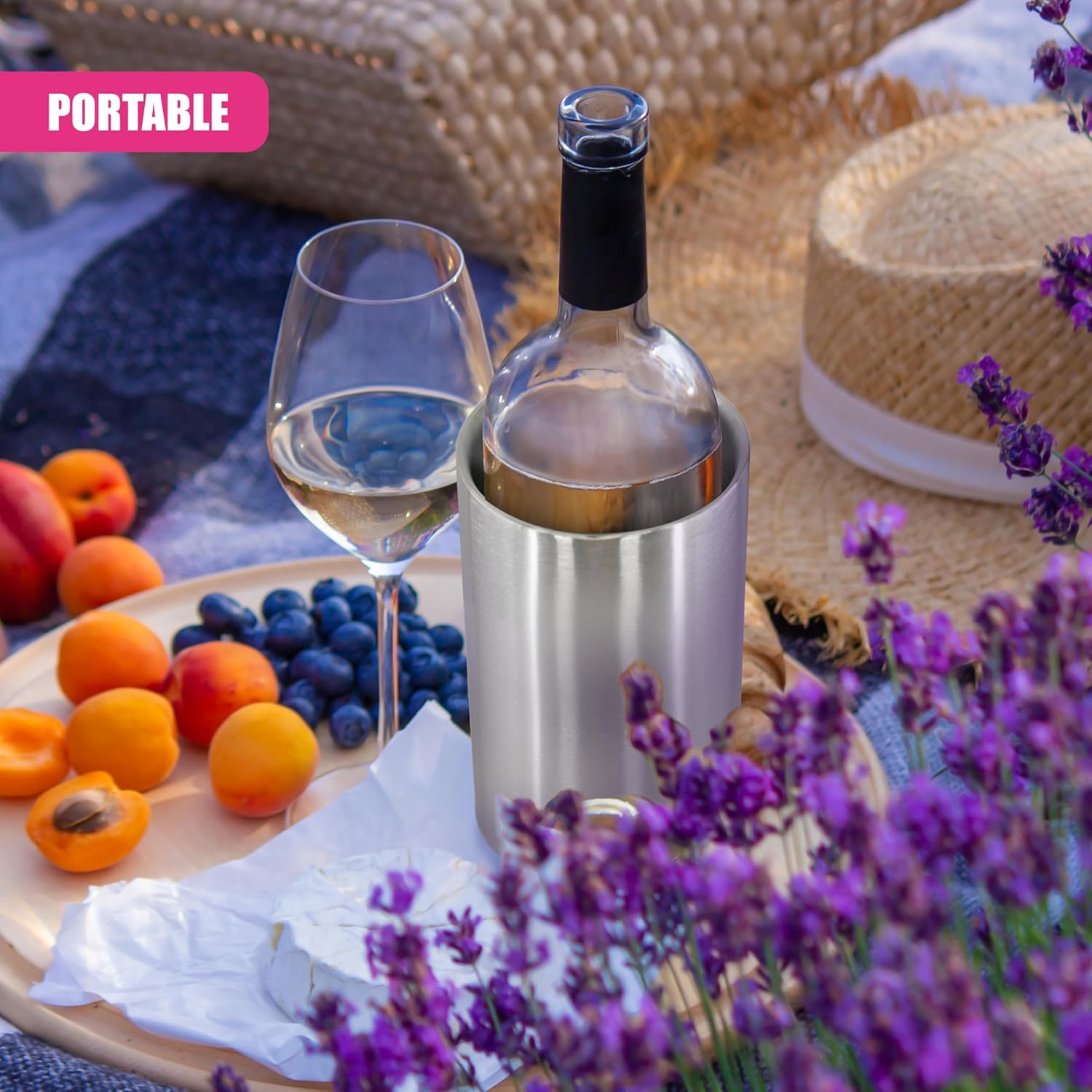
If you only keep a small rotation of wine and beverage options, a compact stainless steel wine chiller or even a single bottle chiller may be enough. These smaller fridges often have a lower unit price and can sit on a countertop without dominating the room. As your storage needs grow, you can add a second cooler or upgrade to a larger stainless steel wine fridge without wasting your initial investment.
Price, value, and what you really pay for
Price differences between stainless steel wine coolers can be dramatic, but they usually reflect specific features. Entry level wine coolers focus on basic temperature control and simple shelves, while premium fridges add quieter compressors, better insulation, and more refined lighting. Understanding which elements matter to you prevents overpaying a high unit price for cosmetic extras.
When you compare regular price and sale price across retailers, pay attention to warranty terms and service coverage. A slightly higher price unit from a specialist store may include better support if the door seal fails or the temperature range drifts. Over the lifespan of a wine fridge, reliable service can matter more than saving a small amount on the initial purchase.
Value also depends on how you use the cooler in daily life. If you open the door frequently to grab a beverage or rotate bottles, investing in a model with strong insulation and a stable compressor protects your wine bottles from temperature swings. For occasional use, a simpler stainless steel wine chiller with fewer shelves can still offer excellent performance at a modest price regular.
Some buyers focus on the cost per bottle of storage when comparing the best stainless steel wine coolers. Dividing the total price by the stated bottle capacity gives a rough price unit, but you should adjust this figure for realistic storage of mixed bottle wine shapes. A slightly larger cooler with a higher sale price may actually offer a better effective cost per usable bottle.
Energy consumption is another hidden part of the overall price of ownership. Efficient stainless steel wine coolers with modern compressors and LED lighting can use significantly less electricity than older fridges, especially in warm climates. Over several years, lower running costs can offset a higher initial regular price and make a premium wine cooler the smarter financial choice.
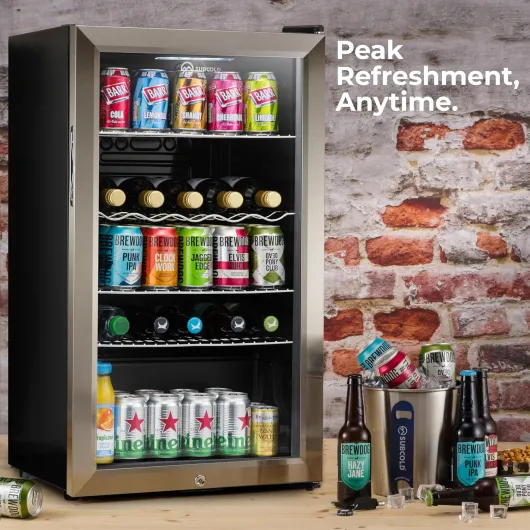
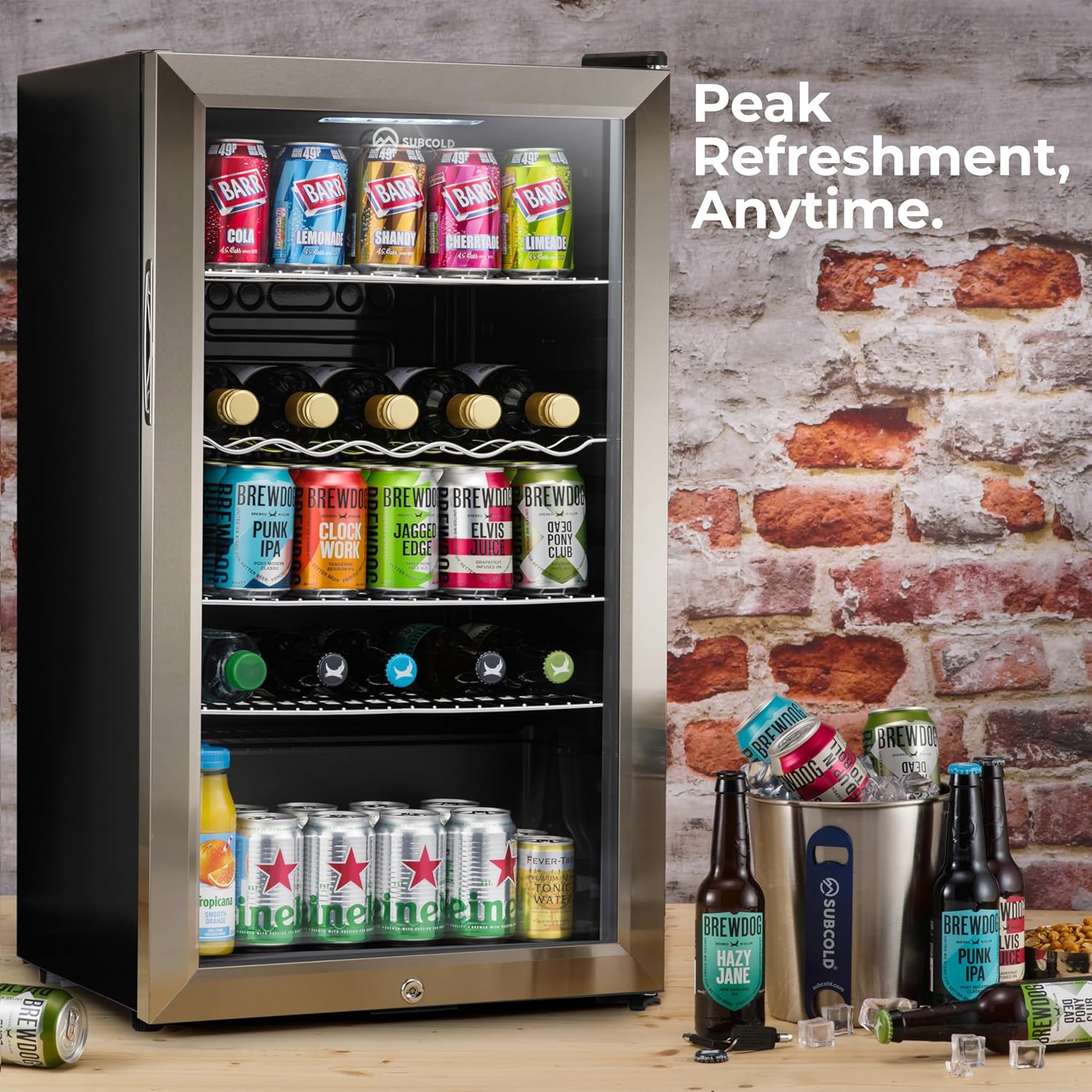
For small spaces or limited budgets, starting with a compact beverage fridge that includes a wine chiller section can be a practical compromise. These hybrid fridges usually have a lower unit price and can handle both soft drinks and a modest wine bottle collection. As your interest in the best wine grows, you can upgrade to a dedicated stainless steel wine fridge while still keeping the beverage fridge for everyday drinks.
Matching stainless steel wine coolers to lifestyle and usage
The best stainless steel wine coolers are not only defined by specifications, but by how they align with your lifestyle. A busy household that entertains often will use the door and shelves of a wine fridge very differently from a quiet apartment where a single bottle is opened each week. Thinking about real patterns of beverage consumption helps narrow the range of suitable coolers.
If you host frequent dinners, look for a stainless steel wine cooler with sliding shelves that present labels clearly. This makes it easy to select the right bottle wine quickly without holding the door open and warming the interior space. A dual zone configuration also allows you to keep both red and white wine bottles at serving temperature for guests.
For collectors who buy rare bottles and plan long term storage, vibration control becomes a priority. Some premium stainless steel wine coolers use compressor mounts and thick cabinet walls to reduce movement that can disturb sediment in older wine. In such cases, paying a higher regular price for a quieter cooler directly protects the quality of your best wine.
Small households or city apartments may prioritise compact dimensions and flexible placement. A narrow stainless steel wine chiller that fits beside existing fridges or under a counter can still hold enough bottles for regular enjoyment. Choosing a reversible door hinge and front ventilation ensures the cooler can adapt if you rearrange the kitchen later.
Mixed use spaces, such as home offices or studios, benefit from very quiet wine coolers. Look for models that specify low decibel ratings and use gentle fan cycles to circulate air across the shelves. A silent stainless steel wine fridge lets you keep a beverage close at hand without adding background noise to work or creative projects.
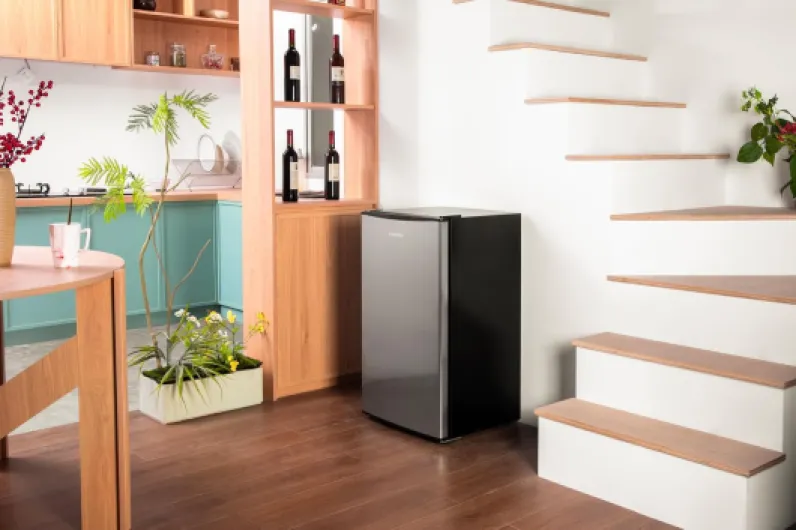
Whatever your situation, remember that a wine cooler is part appliance and part furniture. The stainless steel finish, handle design, and interior lighting all influence how the unit feels in daily use, not just how it stores bottles. Choosing a cooler that fits both your aesthetic taste and your practical needs ensures that every wine bottle you open feels like part of a considered ritual.
Key figures on stainless steel wine coolers and wine storage
- Global wine consumption has hovered around 23 to 24 billion litres per year according to the International Organisation of Vine and Wine, which underpins steady demand for dedicated wine storage appliances.
- Market research from several appliance analysts indicates that wine cooler and wine fridge sales have grown by roughly 5 to 7 percent annually in recent years, outpacing growth in standard kitchen fridges.
- Energy efficient wine coolers certified under regional efficiency programmes can use up to 20 to 30 percent less electricity than non certified models of similar bottle capacity, which significantly reduces lifetime operating costs.
- Surveys of wine enthusiasts consistently show that more than half of respondents store at least some wine bottles in conditions that are too warm, highlighting the practical value of a dedicated wine chiller or bottle chiller.
- Industry data suggests that stainless steel finishes now account for a substantial majority of premium under counter beverage fridge and wine cooler sales, reflecting their popularity in modern kitchen design.