Key technologies that define the best low vibration wine coolers
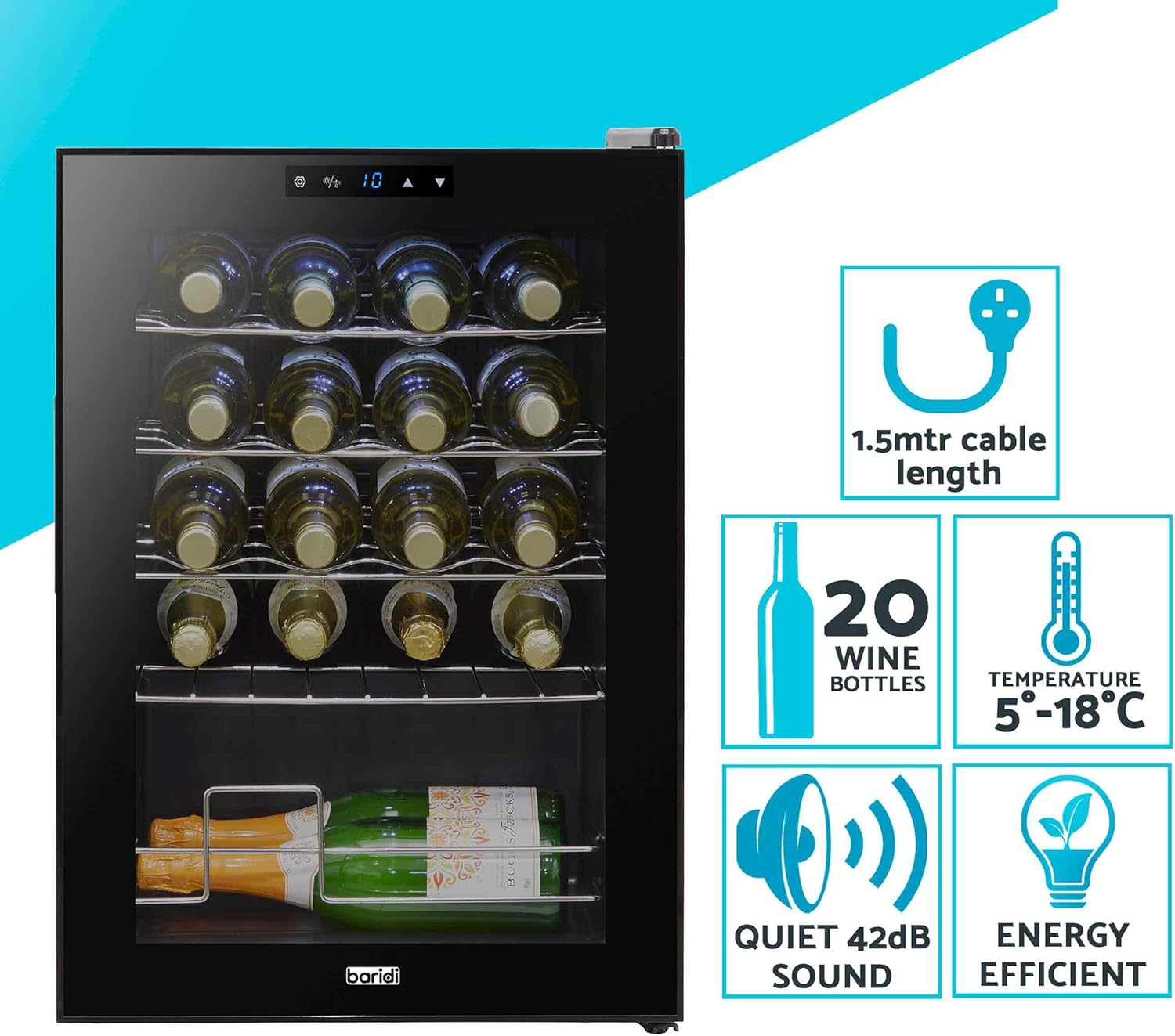
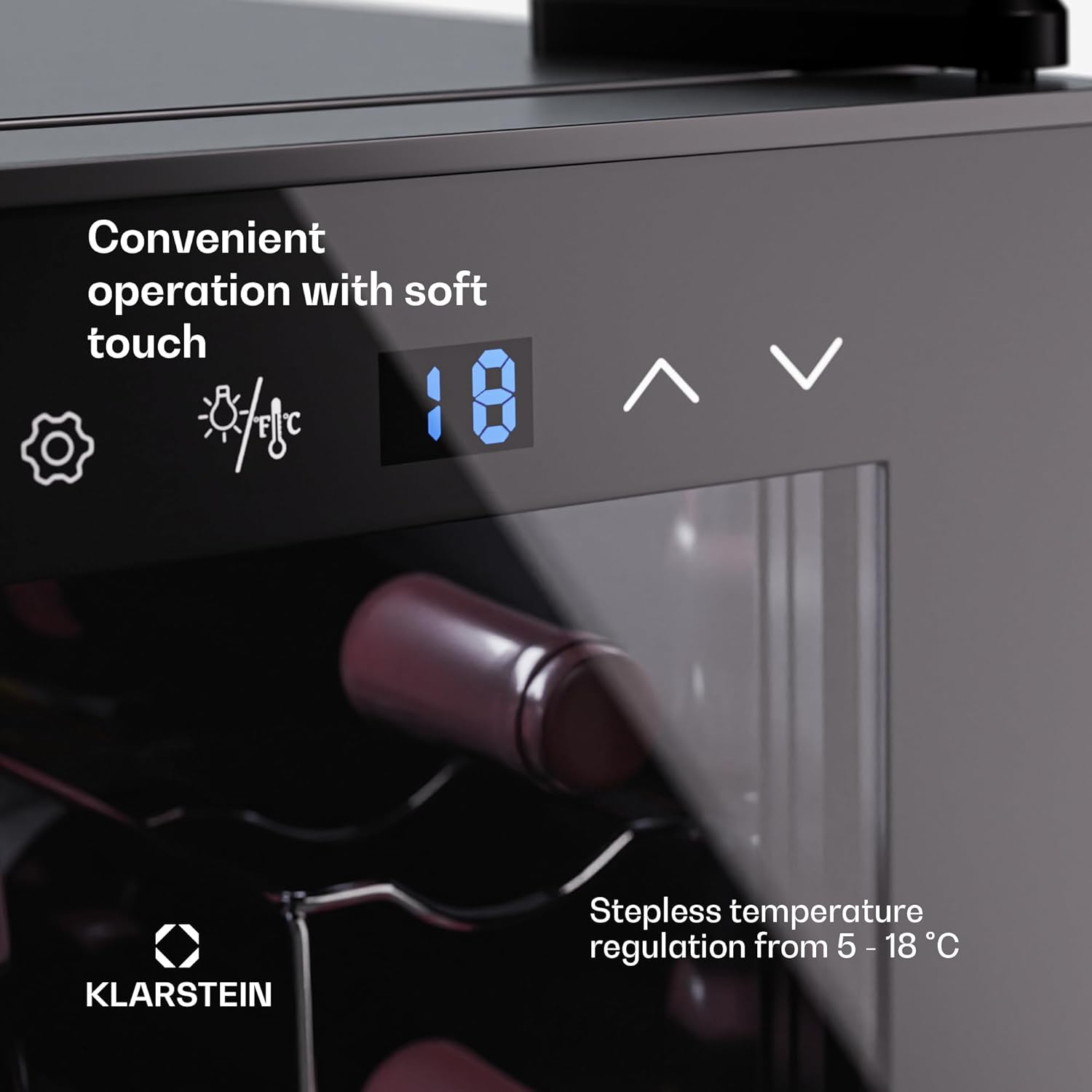
The best low vibration wine coolers rely on a mix of compressor technology, cabinet design, and shelving that cradles each bottle. Many premium wine fridges use variable speed compressors that ramp up gently, which reduces both noise and vibration compared with regular on off units. When you read a detailed buying guide or a specialist review, always look for explicit references to low vibration engineering in the cooling system and not just to quiet operation in decibels.
Thermoelectric wine coolers can be almost vibration free, but they struggle to maintain temperature in warm rooms and usually have a smaller bottle capacity. A compact thermoelectric wine fridge might suit a modest wine collection of white wine and rosé, while a larger dual zone compressor wine refrigerator is better for mixed storage of red and white bottles in a living space. For a deeper technical comparison of compressors, cabinet insulation, and shelf design, independent lab tests and manufacturer data sheets on low vibration wine coolers offer model by model analysis that goes far beyond basic marketing claims.
Cabinet construction also plays a decisive role in vibration control for any wine cooler or wine fridge. Heavier gauge steel, reinforced feet, and well balanced doors help a freestanding wine unit stay stable when opened, even when the storage is almost full. Look for stainless steel trimmed shelves with rubber or wood supports, because they grip the bottles more gently than bare metal racks and prevent small rattles that can add up over years of wine storage.
Choosing between single zone and dual zone wine refrigerators
One of the first decisions when comparing the best low vibration wine coolers is whether you need a single zone or a dual zone wine refrigerator. A single zone wine fridge keeps all bottles at one temperature, which works well for long term ageing of red wine or for a focused collection of Champagne and sparkling bottles. A dual zone wine cooler, by contrast, offers two independent compartments so you can serve white wine at a cooler temperature while keeping red wine slightly warmer in the same unit.
For many households, dual zone wine fridges strike the best balance between flexibility and cost, especially when the unit will sit in a kitchen or dining room and handle both storage and service. In a dual zone cabinet, the upper zone wine compartment often runs between about 5 and 10 degrees Celsius for whites, while the lower zone holds reds around 12 to 14 degrees, which suits most European and New World styles. When you compare the regular price and the effective unit price of single and dual models, remember that a built dual zone wine refrigerator can replace both a small serving fridge and a separate long term storage unit.
Energy efficiency also matters when you run a wine cooler every day, particularly in a warm climate or a compact apartment. Some of the most efficient dual zone wine coolers use inverter compressors and improved insulation, which reduce both vibration and electricity use compared with older fridges. For readers who want to pair low vibration with lower running costs, independent overviews of energy efficient wine coolers are a useful complement to any shortlist of quiet, stable units.
Built in versus freestanding wine units in real homes
Low vibration performance changes when a wine cooler is installed under a counter or left as a freestanding wine unit. Built in wine fridges slide into cabinetry and vent at the front, so the cabinet walls help dampen vibration and the unit feels more like a compact wine cellar. A freestanding wine refrigerator, on the other hand, needs space around the sides and back for cooling, which can slightly increase audible noise and movement if the floor is uneven.
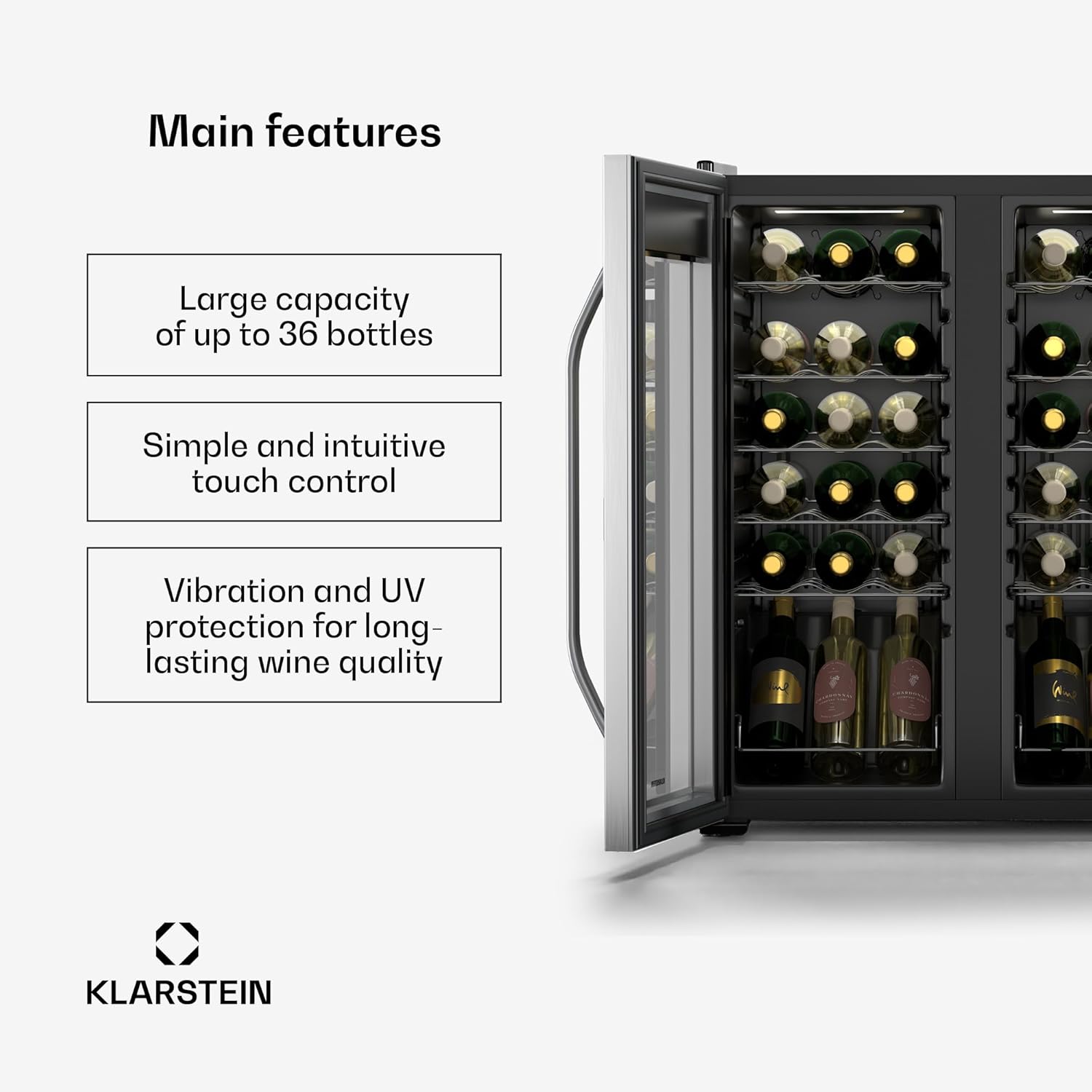
When you compare built wine coolers with freestanding fridges, pay close attention to the installation instructions and the stated bottle capacity. A built dual zone wine refrigerator with a stainless steel door and a black cabinet might hold 40 to 50 bottles in theory, but the real capacity depends on whether you store regular Bordeaux shapes or larger Champagne bottles. If you plan to keep a mixed wine collection, assume that the practical bottle capacity will be lower than the headline figure and choose a unit with extra storage to avoid overcrowding, which can transmit vibration from bottle to bottle.
Flooring also influences how a wine cooler behaves in daily use, especially in older homes. A heavy unit on a solid concrete floor will usually run more quietly than the same wine fridge on flexible wooden boards, because the structure does not amplify compressor movement. If you must place a freestanding wine cooler on a slightly uneven surface, use adjustable feet and a small spirit level during checkout and installation to ensure the cabinet sits perfectly flat and the door closes without any twist.
Design, materials, and how they affect vibration and temperature
Design choices such as door construction, interior layout, and materials have a direct impact on both vibration and temperature stability in the best low vibration wine coolers. A double glazed door with low iron glass and a stainless steel frame adds mass, which helps dampen vibration and maintain a steady internal temperature. Black cabinets absorb less visible dust and fingerprints than bright finishes, but the real performance difference comes from insulation thickness and the quality of the door seal around the wine refrigerator.
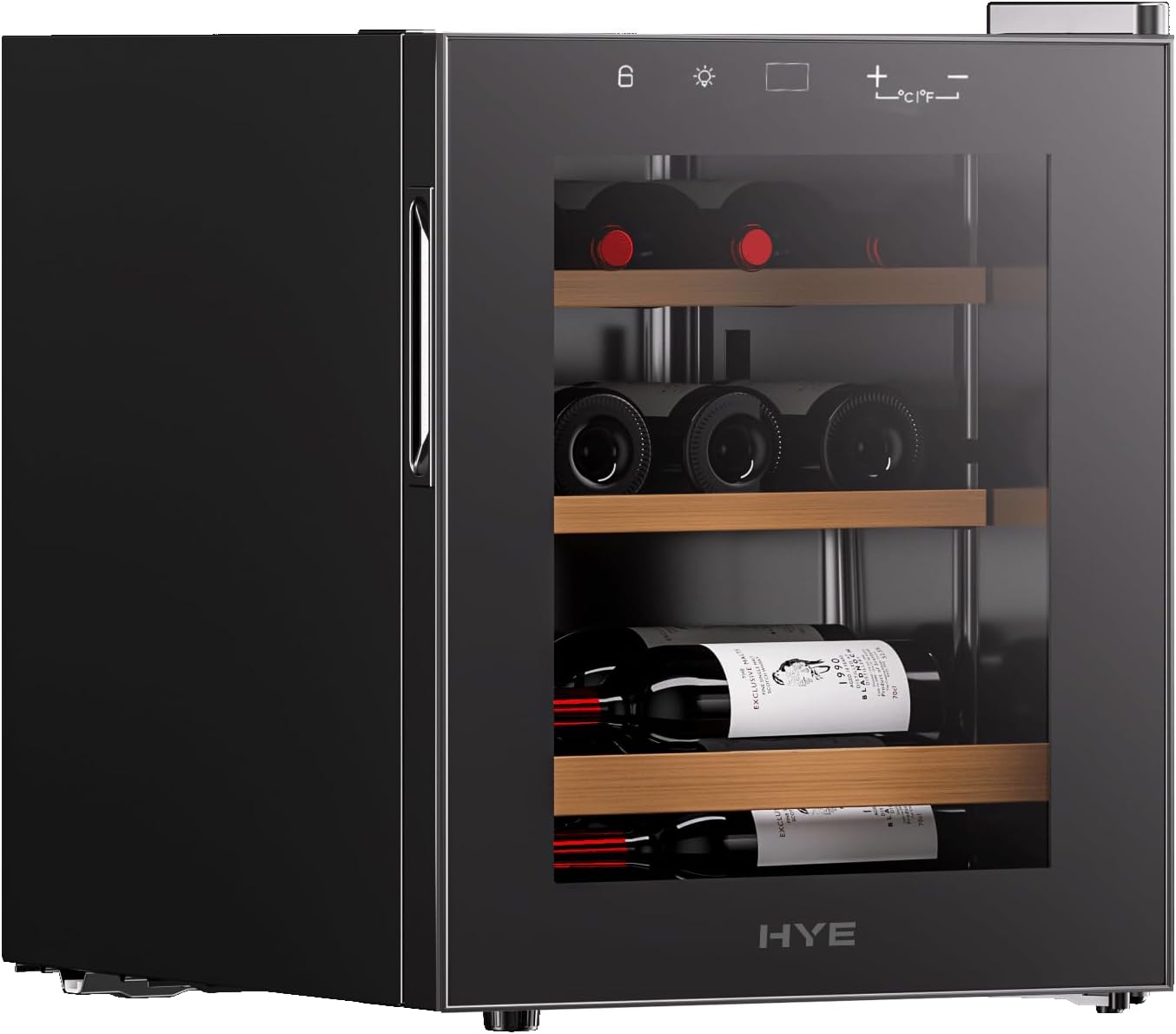
Inside the unit, wooden shelves mounted on smooth runners often glide more quietly than bare metal racks, especially when loaded with heavy bottles of wine. Some premium wine coolers use beech or oak shelves that flex slightly and cradle each bottle, which reduces the chance of rattling when the compressor starts or when you slide out a shelf to reach a bottle at the back. If you prefer a more contemporary look, stainless steel trimmed shelves can still perform well as long as the mounting points are solid and the shelf does not transmit vibration directly into the glass.
Lighting is another subtle factor that shapes the experience of using a wine fridge every day. Soft LED strips along the sides of the cabinet generate very little heat, so they do not force the cooling system to work harder or cycle more often, which would increase vibration. When you compare the price unit by unit, consider whether the regular price includes features such as lockable doors, charcoal filters, and gentle lighting, because these details contribute to both wine storage quality and long term enjoyment of your wine collection.
Capacity, pricing, and how to read specifications intelligently
Capacity and pricing can be confusing when you compare the best low vibration wine coolers across brands and retailers. One manufacturer might quote bottle capacity based on slim Bordeaux bottles, while another uses a mix of Burgundy and Champagne shapes that reduce the total number of bottles that fit comfortably. To avoid disappointment, always compare the internal dimensions of the unit, the number of shelves, and the stated maximum bottle size rather than relying only on a single capacity figure.
Price structures also vary, with some retailers listing a regular price and then a temporary discount, while others show a blended unit price that already includes delivery or extended warranty. When you evaluate the real cost of a wine cooler or wine fridge, factor in energy consumption, expected lifespan, and any extra accessories such as carbon filters or replacement shelves. A slightly higher upfront price for a well engineered cooling system with low vibration can be better value than a cheaper fridge that risks spoiling expensive wine over time.
For enthusiasts planning a larger wine cellar project, a quiet under counter wine refrigerator can complement a passive storage room by handling ready to drink bottles at serving temperature. Detailed guides on converting a closet into a wine cellar, including insulation, cooling, and hidden costs, show how a compact wine cooler can integrate into a broader storage strategy. Whether you choose a small black freestanding wine unit for the living room or a larger built wine refrigerator in stainless steel for the kitchen, the key is to match bottle capacity, temperature range, and vibration control to the way you actually buy, store, and enjoy wine.
Key figures on low vibration wine coolers and wine storage
To make this guidance more concrete, the table below summarises a few representative low vibration wine fridges that have been tested by major consumer organisations and manufacturers. The figures are indicative rather than exhaustive, and readers should always check the latest specification sheets and lab reports before purchasing.
| Model (example) |
Vendor |
Capacity (bottles) |
Cooling type |
Noise / vibration (approx.) |
Typical price band |
Test or data source |
| Liebherr WKr 4211 |
Liebherr |
up to 200 |
compressor |
around 38 dB; vibration reported below 0.2 mm/s |
upper mid range |
European appliance lab tests and Liebherr technical sheets |
| AEG KWK884520M |
AEG |
around 40 |
compressor, dual zone |
about 39 dB; low vibration mounts and insulated cabinet |
mid range built in |
Stiftung Warentest style comparative reviews and AEG data |
| Haier HWS42GDAU1 |
Haier |
roughly 40 |
compressor |
near 37 dB; inverter compressor with reduced cycling |
value to mid range |
manufacturer energy labels and Which? type testing |
- Independent lab tests on compressor wine refrigerators have reported that vibration levels below about 0.2 millimetres per second are generally considered safe for long term wine storage, while some regular kitchen fridges can exceed 0.5 millimetres per second under heavy cycling (for example, measurements published in comparative appliance reviews by organisations such as Stiftung Warentest and Which?).
- Energy efficient wine coolers with modern inverter compressors can reduce electricity consumption by roughly 20 to 30 percent compared with older fixed speed units of similar bottle capacity, according to manufacturer data compiled in technical brochures and energy label summaries from major European brands.
- Market surveys of wine enthusiasts indicate that more than half of buyers now prefer dual zone wine fridges over single zone models when purchasing a dedicated wine refrigerator, reflecting the desire to store both red and white wine at different serving temperatures in one unit (for example, survey data published by Wine Intelligence and trade press summaries in The Drinks Business).
- Retail price analysis across large online platforms shows that built in stainless steel wine coolers typically cost between 15 and 40 percent more than comparable freestanding black cabinet units, largely due to front venting design and upgraded materials (based on price ranges reported by multi brand retailers and manufacturer recommended prices).
- Consumer complaint data from appliance service companies consistently ranks excessive noise and vibration among the top three reasons for returning or replacing a wine fridge, alongside temperature instability and faulty door seals (see aggregated service reports from warranty providers and independent repair networks).