Summary
Editor's rating
Is it actually worth the money?
Looks: smart enough, but clearly a small appliance
Build quality: where it feels solid and where it feels cheap
How it holds up and what might annoy you over time
Cooling, noise and real‑world use
What you actually get when you unbox it
Pros
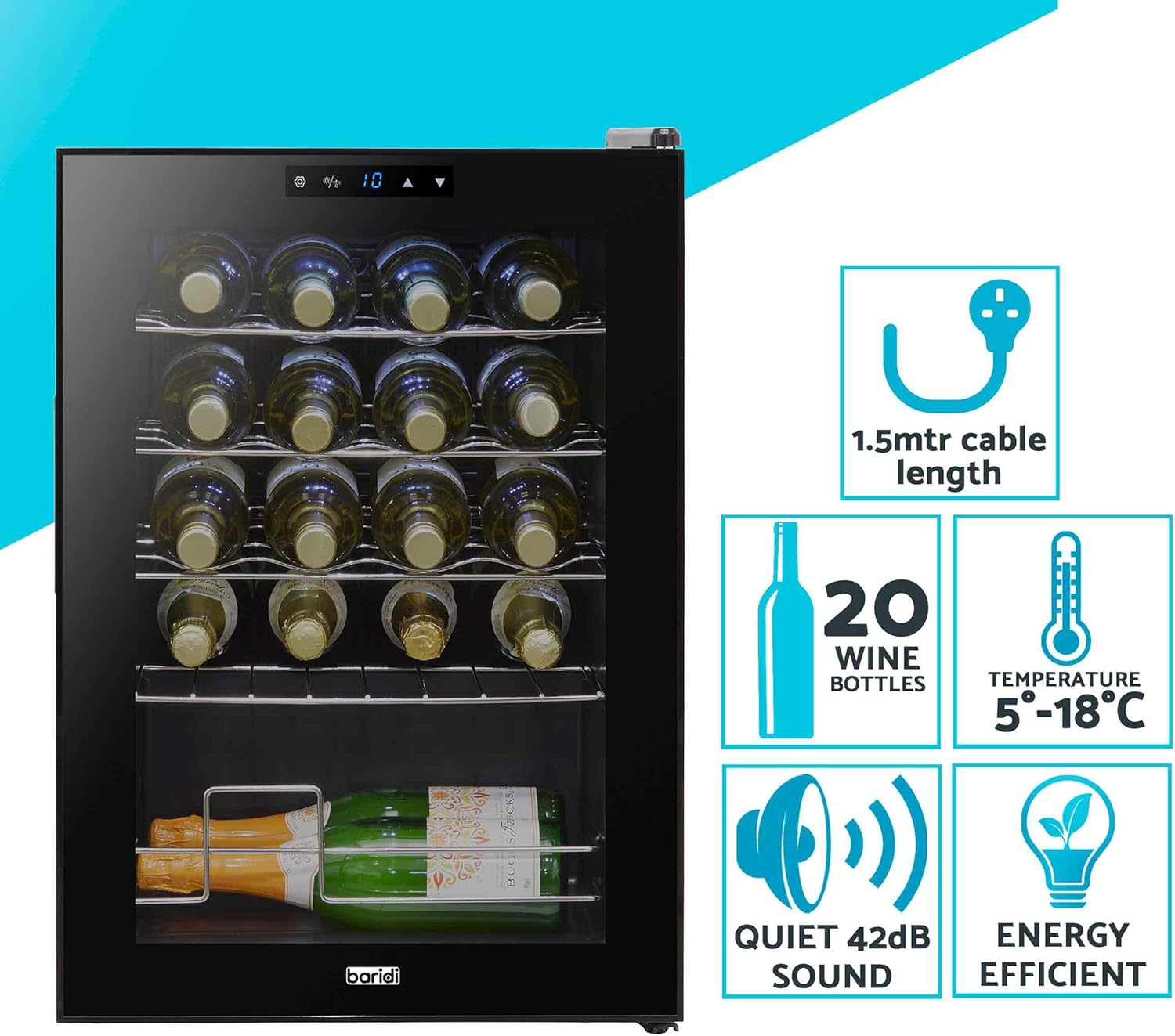
- Compact size with decent 53L / roughly 20‑bottle capacity for a small kitchen
- Compressor cooling with 5–18°C range that actually chills drinks properly
- Modern black glass design that looks good and includes UV‑filtering tempered door
Cons
- Real‑world capacity lower than 20 bottles if you use bulkier champagne/Prosecco bottles
- G energy rating and 142 kWh/year mean higher running costs than more efficient fridges
- Shelves and some interior parts feel a bit cheap and lightweight

Specifications
View full product page →| Brand | Dellonda |
A compact wine fridge for normal people, not collectors
I’ve been using the Dellonda Baridi 20 Bottle Wine Cooler (model DH8) for a little while now, in a normal small-ish UK kitchen, not some fancy wine cellar. I bought it mainly to keep white wine, beer and soft drinks cold without overloading the main fridge. So this is coming from someone who wanted a simple, plug‑in‑and‑forget drinks fridge, not a pro sommelier setup.
First thing: this is a compact, freestanding cooler, not a built‑in. The dimensions are roughly 43 cm wide, 45 cm deep and 64 cm high, so it behaves more like a small under‑counter fridge or a chunky countertop appliance. I slid it into a spare gap next to a unit and it fit fine, but you do need to measure properly because those few centimetres make the difference between snug and annoying.
In daily use, it basically gets the job done: it chills drinks, the temperature is easy to set with the touch controls, and the noise level is acceptable for a kitchen or open‑plan space. It’s not totally silent, you do hear the compressor when it kicks in, but it’s not the kind of noise that takes over the room. If you’re very sensitive to noise and want it in a bedroom, I’d think twice.
It’s not perfect though. The claimed 20‑bottle capacity is optimistic unless all your bottles are the same slim shape, the energy rating is on the poor side, and some details like the shelves feel a bit budget. Overall, I’d call it a practical mid‑range cooler: good for casual wine drinkers and extra drinks storage, but not some miracle device. If you keep your expectations realistic, it’s pretty solid.
Is it actually worth the money?
Value‑wise, the Dellonda Baridi 20 Bottle cooler sits in that mid‑range sweet spot: not dirt cheap, not premium. For what you pay, you get proper compressor cooling, decent capacity, and a design that looks fine in most kitchens. Compared with some smaller 12‑bottle thermoelectric coolers that struggle to get properly cold, this one feels like better value if you actually care about chilling your drinks rather than just slightly cooling them.
The main trade‑offs for the price are pretty clear: the G energy rating, the slightly flimsy shelves, and the optimistic bottle capacity. If you only ever keep it half full, those last two don’t matter much, but the energy use is something to think about if you plan to leave it on all year. Some people take out extended warranty for peace of mind; at this price point I can see why, but I personally wouldn’t bother unless you’ve had bad luck with appliances before.
Compared to other beverage fridges and wine coolers on Amazon, it ranks fairly high (top few in beverage refrigerators), and the user score around 4.3/5 lines up with my own feeling: good value for money, with some compromises. You’re paying for a functional, modern‑looking cooler, not for premium materials or ultra‑low running costs. If you want dual‑zone cooling, ultra‑quiet operation, or top energy efficiency, you’ll need to step up a price bracket.
If your main goal is: “I want a compact fridge that holds a decent number of bottles, looks okay, and keeps them properly cold,” then the value is pretty strong. If your goal is: “I want the most efficient, silent, perfectly built wine cabinet,” then you’ll probably find this a bit basic. For casual wine drinkers and people who just need extra cold storage for parties and weekends, it’s good bang for the buck overall.
Looks: smart enough, but clearly a small appliance
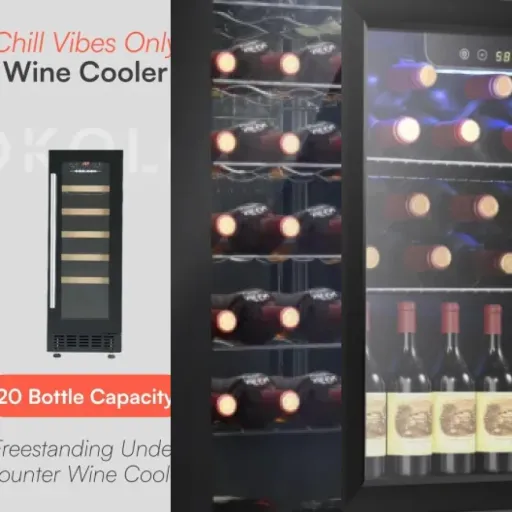
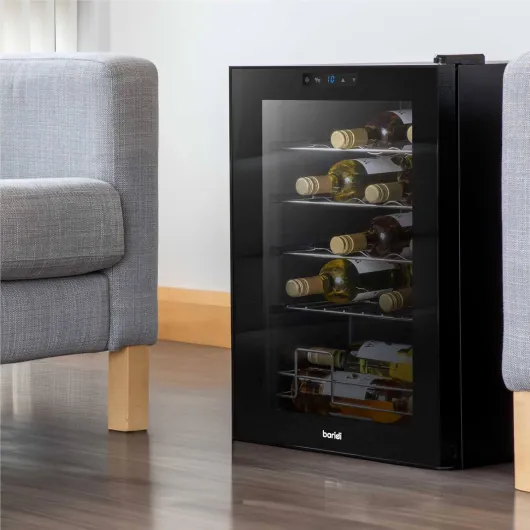
Design‑wise, the Dellonda Baridi DH8 aims for that black, glass‑fronted look that you see in a lot of modern kitchens. The door is tempered mirror glass, slightly reflective, which does two jobs: it looks a bit more premium than plain plastic, and it helps block UV light to protect the wine. You can still see the bottles inside, especially when the internal LED light is on, but it’s not a clear see‑through like a standard glass fridge door.
The footprint is quite compact: 43 cm wide and 45 cm deep. Height is 64 cm, so it doesn’t go full under‑counter height like a dishwasher, it’s more like a mid‑height appliance. That makes it handy for sliding under a breakfast bar or putting on top of a counter if you’ve got strong enough worktops and don’t mind the visual bulk. It does look slim and tall rather than squat, which I liked because it doesn’t eat too much floor space.
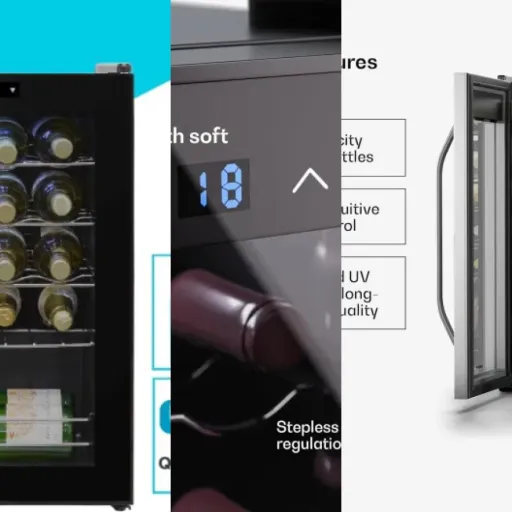
The controls are on a small black strip at the top front: touch buttons and a small digital display for the temperature. They’re easy enough to use: tap up or down to adjust the degrees, tap again for the light. The main nitpick is that the display isn’t the brightest, and as mentioned earlier, from certain angles with the door shut you don’t really see the numbers. Not a deal‑breaker, but it feels like a design shortcut where they didn’t think about real‑life viewing angles.
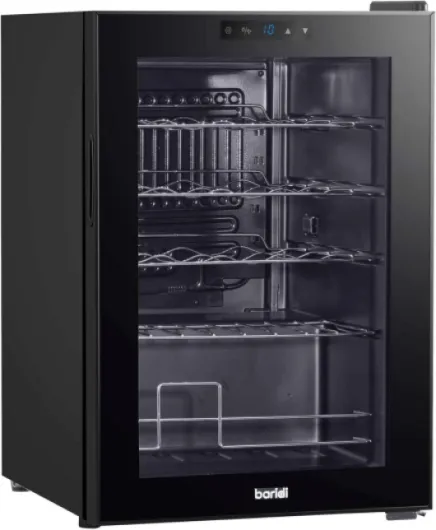
Inside, the layout is straightforward: removable waved metal shelves and a flat area at the bottom. There’s no fancy dual‑zone layout or separate drawer. Just one cavity. The LED light is a cool white and gives you enough visibility to see what’s in there without turning the kitchen lights on. Overall, I’d describe the design as clean and modern enough to blend into most kitchens. It doesn’t scream luxury, but it doesn’t look cheap or ugly either. It’s just a neat black box that stores cold bottles, which is really all I wanted.
Build quality: where it feels solid and where it feels cheap
In terms of materials, the Dellonda Baridi DH8 is a mix of decent outer build and some clearly cost‑cut corners inside. The exterior casing is standard metal with a black finish, and the tempered mirror glass door feels sturdy enough. The door doesn’t flex when you pull it, and once the handle is screwed on properly, it opens and closes with a normal, reassuring feel. The door seal sits well around the edge; I didn’t notice any obvious gaps or condensation issues after it had been running for a bit.
Inside is where it feels a bit more budget. The shelves are waved metal, but they’re on the light side and don’t give that heavy, premium vibe. They do the job of holding bottles, but when you pull them out or rearrange them, they feel slightly flimsy. Some users even called them a bit cheap, and I agree. They’re okay for the price, but if you’re expecting top‑end shelving, you’ll be underwhelmed. The internal lining and plastic parts are standard appliance plastic, nothing special, but I didn’t see any obvious defects or sharp edges.
The door glass is marketed as UV‑filtering tempered glass, which is good for wine storage. I can’t test the UV claim easily, but the glass feels thick and doesn’t feel like it’s going to crack from a light bump. The handle itself is basic but functional. One small trick I used (and others mentioned) is a tiny bit of oil on the seal when refitting after adding the handle, just to make sure the door closes smoothly and the gasket sits properly.
Overall, the materials are in line with the price: solid enough on the outside, slightly cheap on the inside, but not in a way that stops it working. For a mid‑range wine cooler made in China, this is about what I expected. If you want heavy, restaurant‑grade hardware, you’ll need to spend more. If you just want something that doesn’t feel like it’ll fall apart in a year, this seems acceptable.
How it holds up and what might annoy you over time
Durability is always a bit guesswork with appliances, but there are a few things you can pick up from using it and reading other owners’ comments. The Dellonda DH8 has a rotary scroll compressor, which is standard tech, not some experimental stuff, so in theory it should run for years if not abused. In my time with it, it cooled consistently and didn’t show any random faults or weird noises beyond the normal compressor hum.
The door mechanism feels fairly robust. The hinge doesn’t wobble, and the seal hasn’t warped so far. I open it several times a day to grab drinks, and it still closes properly with a firm push. The tempered glass door should be more resistant than basic glass, though obviously if you smash something heavy into it, it’s still glass. The fact that it’s a freestanding unit actually helps with durability: you’re not forcing it into a tight cabinet where it overheats or gets knocked around during installation.
Where I’m a bit less confident long‑term is the interior fittings. The shelves are light, and if you’re constantly sliding them in and out with heavy bottles, I could see them bending a little over time. They’re replaceable, but it’s something to keep in mind. Also, the energy rating being G means it’s not the most efficient, so long‑term running costs are higher than a more modern A or B‑rated fridge. That doesn’t affect physical durability, but it does affect how happy you’ll be to keep it running for years.
Looking at the Amazon rating (around 4.3/5 from over a thousand reviews), it seems most people are satisfied overall, with some minor gripes about noise, shelves, and capacity rather than major breakdowns. That gives a bit of confidence that it’s not a total lemon. I still wouldn’t call it bombproof, but for a home wine cooler at this price, the durability feels reasonable. I’d just avoid moving it around constantly and treat the shelves with a bit of care.
Cooling, noise and real‑world use
On performance, the Dellonda DH8 is pretty solid but not perfect. It uses a compressor cooling system (with R‑600A refrigerant) and an automatic defrost, so it behaves more like a mini fridge than those weaker thermoelectric wine coolers. The temperature range is 5–18°C, and it actually gets into that range reliably as long as your room isn’t roasting. The important catch is in the small print: it will not cool below the ambient room temperature by a huge margin, so if your room is very hot, don’t expect ice‑cold beer at 5°C.
In my case, in a normal UK kitchen around 20–22°C, it held 6–8°C on the lower settings for white wine and beer without much drama. The temperature doesn’t swing wildly; it cycles like a standard fridge. For red wine, setting it to 12–14°C gave a nice slight chill. I wouldn’t use this as a precision storage unit for very expensive bottles, but for everyday supermarket wine and drinks, it’s more than fine. The auto‑defrost means you don’t get ice building up on the back wall, which keeps things easy to maintain.
Noise level is rated at 42 dB, which on paper is fairly quiet. In reality, when the compressor kicks in, you do hear a hum. It’s similar to a small bar fridge or under‑counter fridge. Sitting in the same room watching TV, I noticed it at first, then tuned it out. At night, in an open‑plan space, you’re still aware of it, but it’s not obnoxious. If you’re expecting nearly silent operation, you’ll be a bit disappointed; if you’re used to normal fridge noise, it’s absolutely fine.
Energy‑wise, this is where it’s less exciting. The annual energy consumption is quoted at 142 kWh/year and it’s got a poor G energy rating. That’s not unusual for cheap wine coolers, but if you’re trying to keep your bills or environmental impact low, it’s not the best. I ended up plugging mine into a smart plug so I can switch it off when I know it’ll be empty for a while. Overall, performance is good enough for daily use: it keeps drinks cold, runs reasonably quietly, and doesn’t need babysitting. Just don’t expect it to be ultra‑efficient or lab‑grade precise.
What you actually get when you unbox it
Out of the box, the Dellonda Baridi DH8 is a simple, plug‑and‑play unit. You get the fridge, a 1.8 m power cable already attached, the handle separately packed (you have to fit it yourself), and a basic manual. No fancy extras, no weird assembly. I had it unboxed and roughly in place in about 10 minutes. The only slightly fiddly bit is screwing on the handle and making sure the door seal still sits properly afterwards.
The official capacity is 20 bottles / 53 litres, but in practice that depends a lot on the bottle shapes you use. Standard Bordeaux‑style wine bottles fit fine on the waved metal shelves, but thicker Prosecco or champagne bottles are more of a squeeze, and you quickly realise that the advertised capacity assumes fairly uniform bottles. If you like bubbly in fatter bottles, expect to lose a few of those 20 slots or to rearrange shelves. It’s not a disaster, but it’s worth knowing so you don’t plan a party around that ‘20 bottles’ number.
The controls are all on the front, above the door, with touch buttons for temperature adjustment and light. The temperature range is 5–18°C, which is enough for most people: cold whites and beers at the lower end, reds slightly cooled at the higher end. One slightly annoying thing: you can’t see the display properly with the door fully closed on some viewing angles, which a few other buyers also pointed out. The digits are there, just not very visible unless you’re more or less face‑on.
In terms of setup, you just plug it into a standard UK socket (Type G plug), leave it standing upright for a few hours (as with any compressor fridge), set your temperature, and wait for it to stabilise. It’s a freestanding only unit, so you shouldn’t box it in too tightly; it needs space at the back and sides for ventilation. Once running, it automatically defrosts, so there’s no manual ice scraping. Overall the presentation is very straightforward: basic but functional, nothing fancy, nothing confusing.
Pros
- Compact size with decent 53L / roughly 20‑bottle capacity for a small kitchen
- Compressor cooling with 5–18°C range that actually chills drinks properly
- Modern black glass design that looks good and includes UV‑filtering tempered door
Cons
- Real‑world capacity lower than 20 bottles if you use bulkier champagne/Prosecco bottles
- G energy rating and 142 kWh/year mean higher running costs than more efficient fridges
- Shelves and some interior parts feel a bit cheap and lightweight
Conclusion
Editor's rating
The Dellonda Baridi 20 Bottle Wine Cooler is a practical, mid‑range drinks fridge that does what most people actually need: it chills wine and other bottles to a sensible temperature, doesn’t take up too much space, and looks decent in a normal kitchen. The compressor cooling works well, the temperature range is wide enough for both whites and reds, and the noise level is acceptable if you’re used to standard fridges. It’s not a luxury object, but it’s also not a toy; it feels like a real appliance.
On the downside, the advertised 20‑bottle capacity is a bit optimistic if you have a mix of bottle shapes, the shelves feel a bit cheap, and the G energy rating means it’s not the most efficient thing to leave running 24/7. The temperature display isn’t the easiest to see from every angle, and if you’re extremely sensitive to noise, you might find the compressor hum annoying in a very quiet room. None of these are deal‑breakers for me, but they’re worth knowing before you buy.
I’d say this cooler is a good fit for casual wine drinkers, small households, or anyone who just wants extra chilled storage for parties, weekends, and everyday whites/rosé/beer. It’s also fine if you care more about convenience and looks than about perfect energy efficiency. You should probably skip it if you’re building a high‑end kitchen and want built‑in, dual‑zone storage, or if you’re very picky about noise and running costs. For the price, it’s a solid, no‑nonsense option that gets the job done without trying to be something it isn’t.