Comparing single and dual zone wine fridges for mixed collections
Choosing between single and dual zone wine fridges starts with your drinking habits. If you mainly enjoy one style of wine, a single temperature zone wine fridge will often be sufficient and more affordable. However, mixed collections of reds, whites, and sparkling wines benefit greatly from dual zone flexibility and more nuanced temperature control.
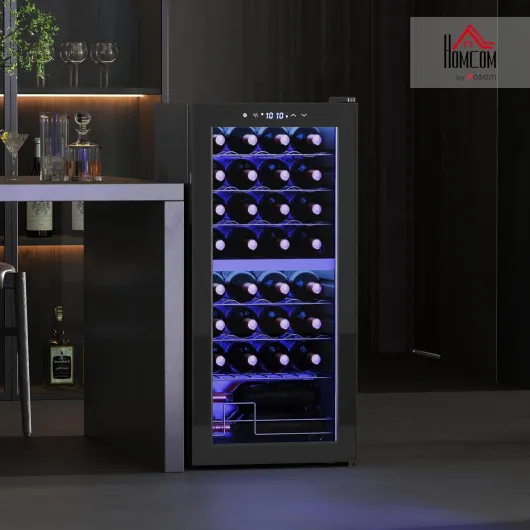
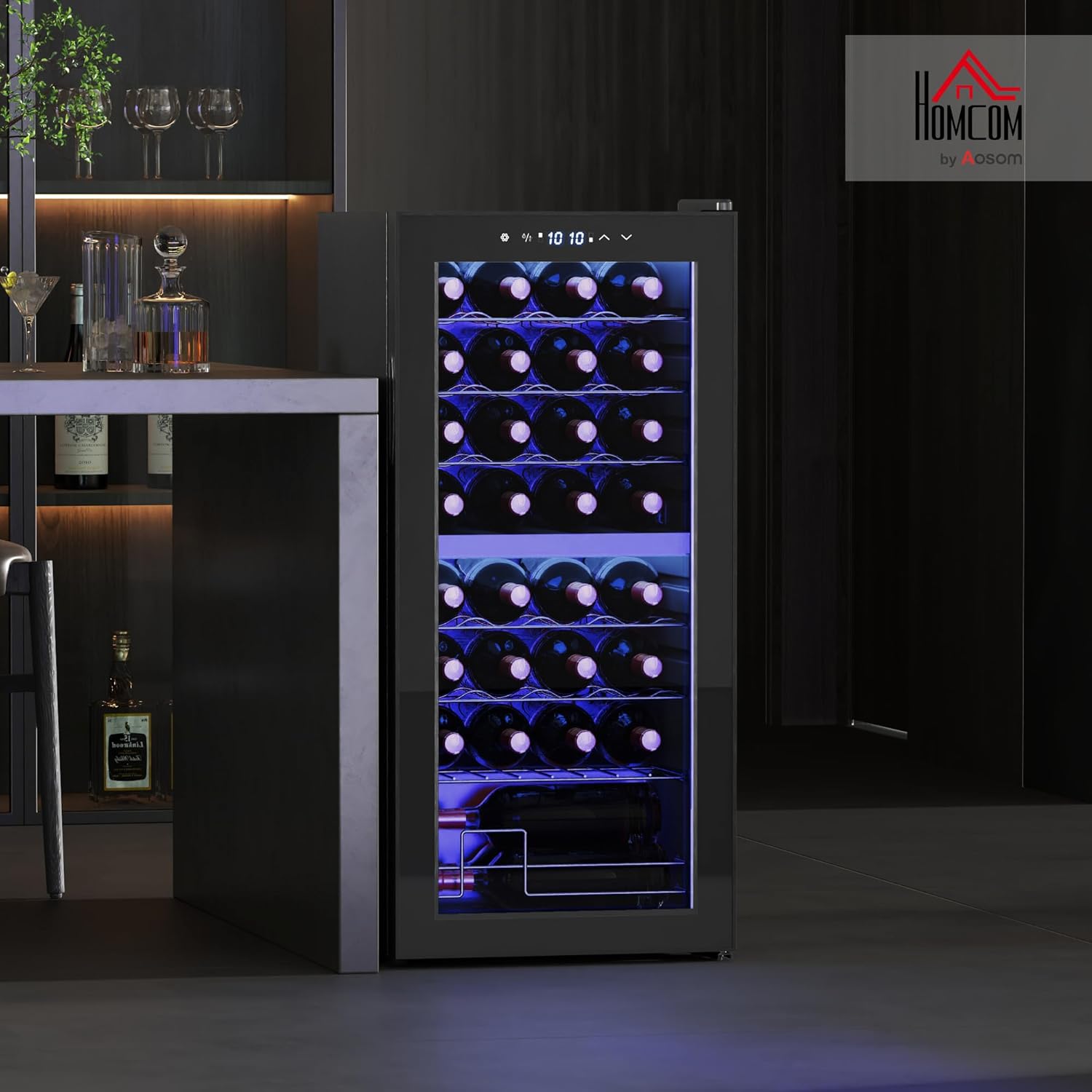
In a dual zone configuration, each compartment of the wine refrigerator can be set to a different temperature. The upper zone will usually run cooler for whites and sparkling bottles, while the lower zone wine section stays slightly warmer for reds. This arrangement allows a wine enthusiast to serve directly from the cooler, instead of constantly shifting bottles between fridges and countertops.
Capacity plays a subtle role in this decision, because dual temperature layouts slightly reduce internal space. A 46 capacity bottles model with dual temperature zones may hold fewer large format bottles than a similar single zone cooler. When comparing brands, examine how the wooden shelves are spaced and whether they can be adjusted to accommodate wider bottle shapes without scraping the glass door.
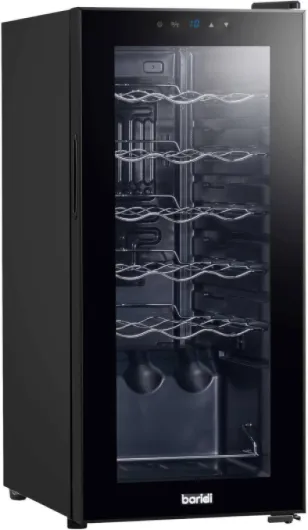
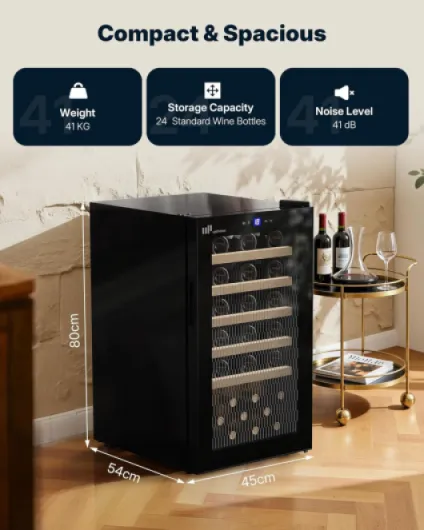
Some of the best wine coolers with digital temperature control also integrate advanced features such as sabbath mode and low noise compressors. Sabbath mode disables certain lights and sounds while keeping the cooling system active, which some households appreciate for cultural or practical reasons. For a detailed look at a compact dual zone design, the review of a 32 bottle dual zone wine fridge illustrates how these trade offs appear in real customer experiences.
When assessing any wine cooler, pay attention to how clearly the digital panel indicates each zone. Confusing icons or shared displays can lead to accidental changes in temperature zones, which undermines the whole purpose of a dual zone system. A well designed wine refrigerator will show both temperatures at a glance and respond quickly to small adjustments.
Finally, remember that even the best wine fridges require realistic expectations about capacity. Manufacturers often calculate capacity bottles using standard Bordeaux shapes, so mixed bottle sizes reduce the headline number. Planning for a slightly larger cooler than you think you need will prevent overcrowding and allow air to circulate evenly around every bottle.
Key features that define the best wine coolers with digital temperature control
Several technical details separate an average wine cooler from the best wine coolers with digital temperature control. First, examine the compressor and overall cooling system, because this hardware determines how quickly and quietly the unit responds to temperature changes. A stable compressor paired with quality insulation will keep temperature zones within a narrow band, even when the door is opened frequently.
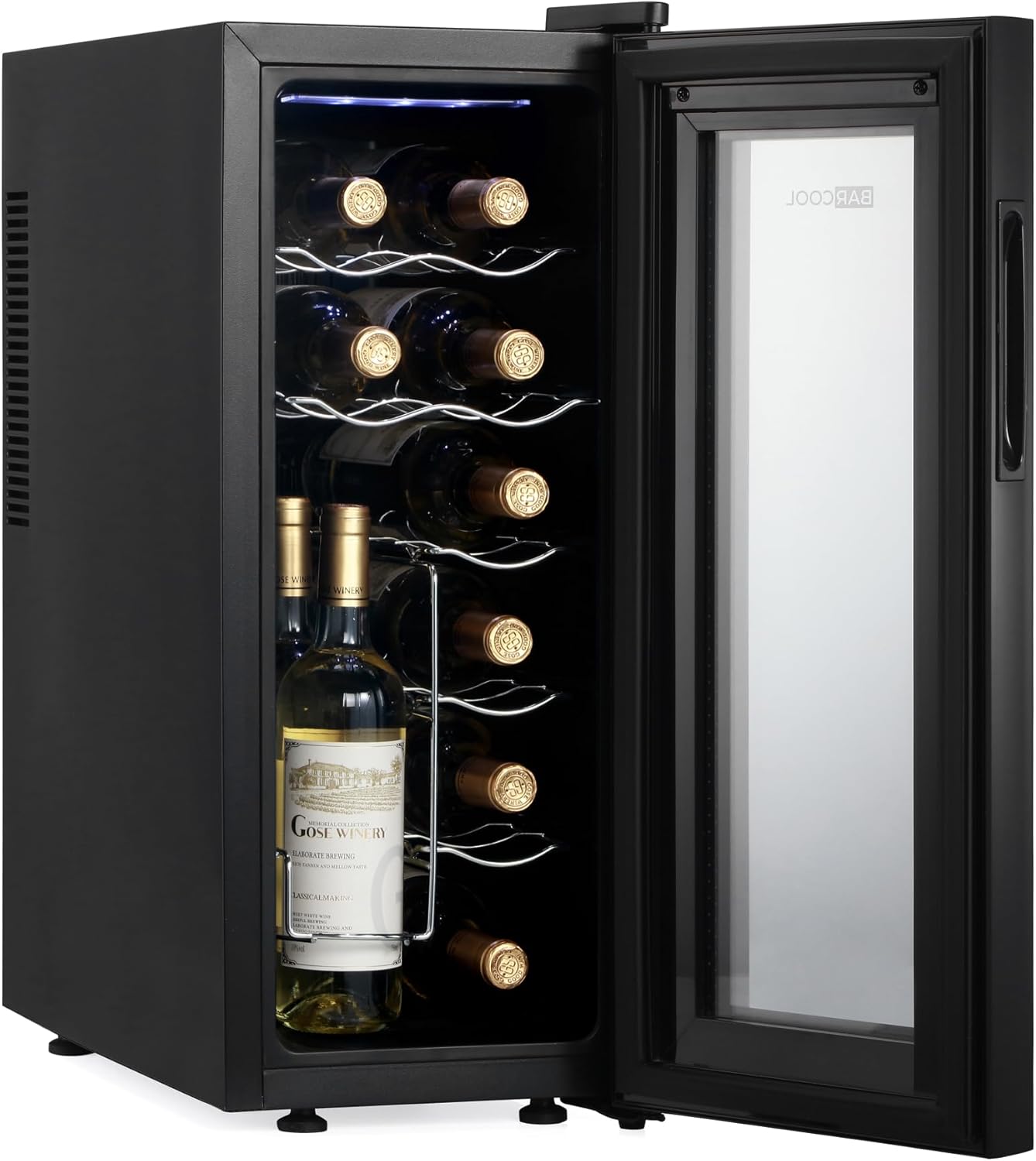
Next, consider the layout of the interior and how it supports long term storage. Wooden shelves glide more smoothly than metal racks and reduce vibration transfer, which is beneficial for ageing wine. Adjustable shelves also help you balance capacity bottles with the need to store larger formats, such as Champagne or Burgundy bottles, without forcing the glass door to press against labels or corks.
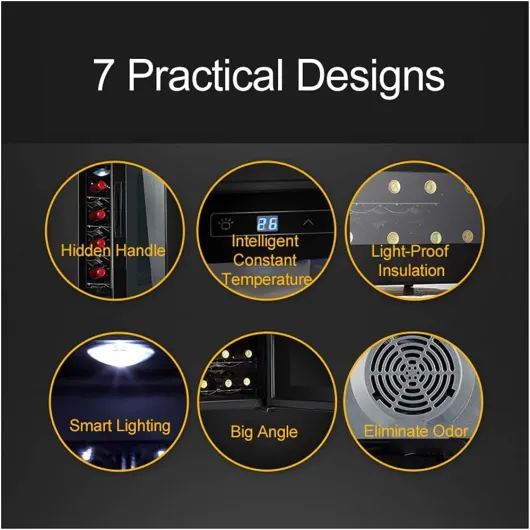
Digital interfaces should be intuitive, with clear temperature control buttons and legible displays. Some wine fridges include lockable controls to prevent accidental changes, which is useful in busy households. A good brand will also calibrate sensors carefully so that the temperature shown on the panel closely matches the actual temperature inside the wine refrigerator.
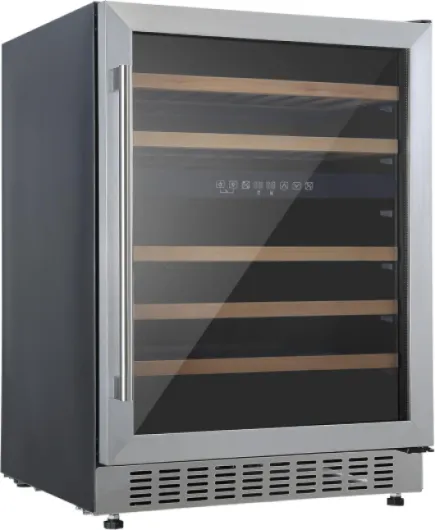
Additional features like sabbath mode, interior LED lighting, and reversible door hinges can significantly improve daily use. Sabbath mode keeps the cooling system active while disabling certain lights and alarms, respecting specific household preferences. For an example of a quiet dual zone wine fridge that balances features and price, the review of a 46 bottle dual zone cooler highlights how thoughtful design choices affect real world performance.
Build quality is another marker of the best wine coolers with digital temperature control. Stainless steel trims, a sturdy glass door, and well finished edges indicate a wine cooler built for years of service. When these physical details are backed by responsive customer service and a clear warranty, the overall value of the wine fridge becomes much easier to justify.
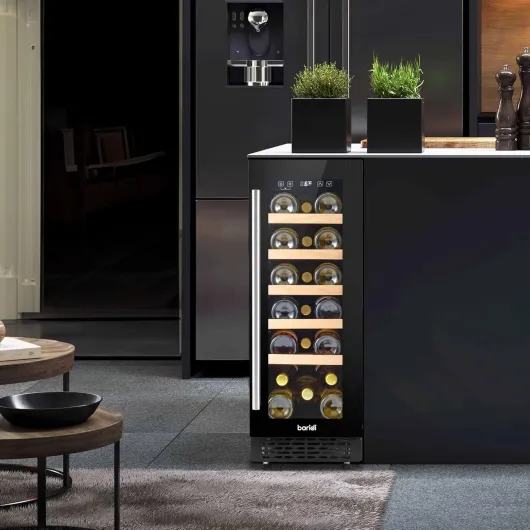
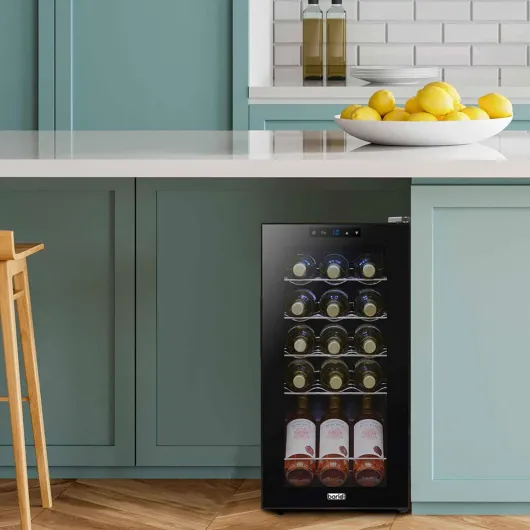
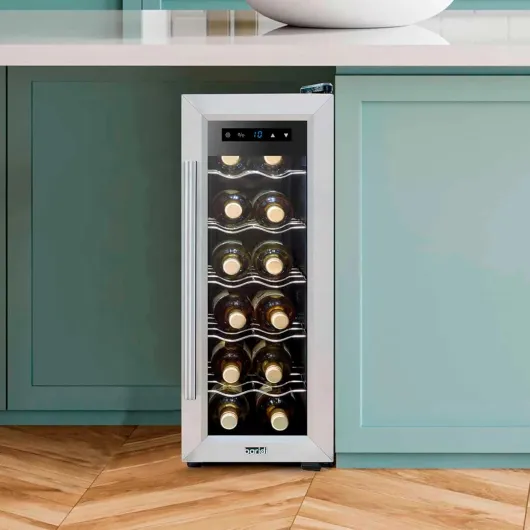
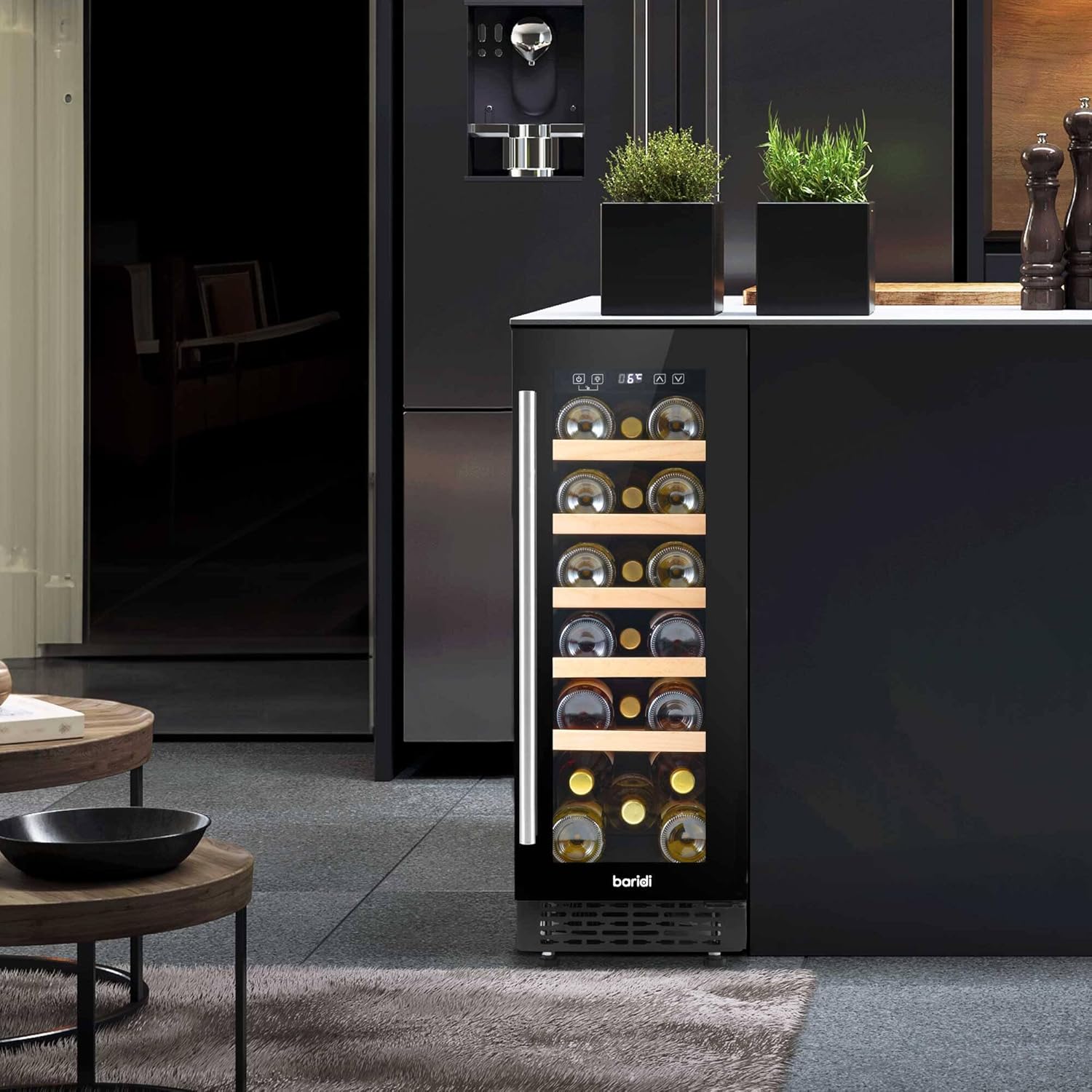
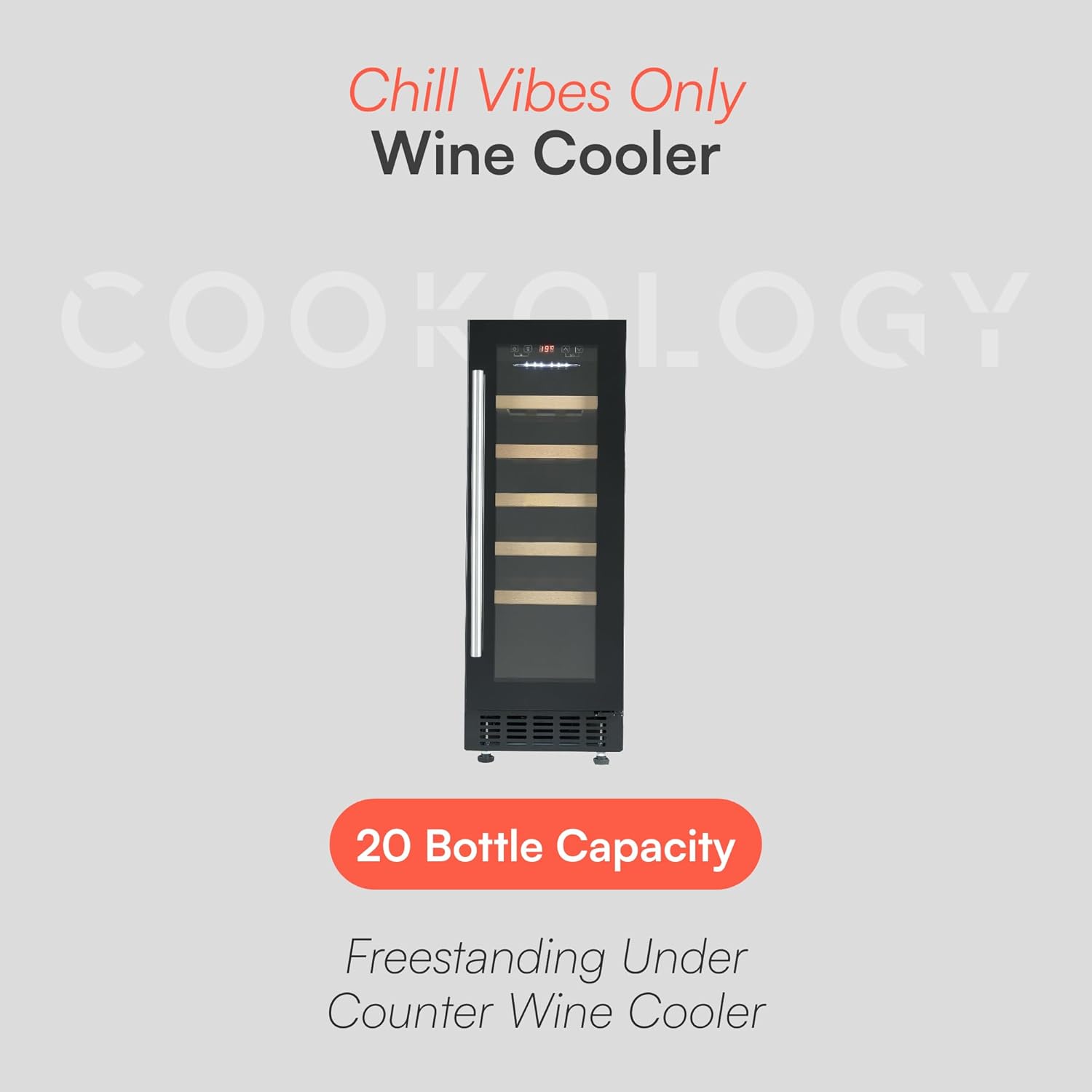
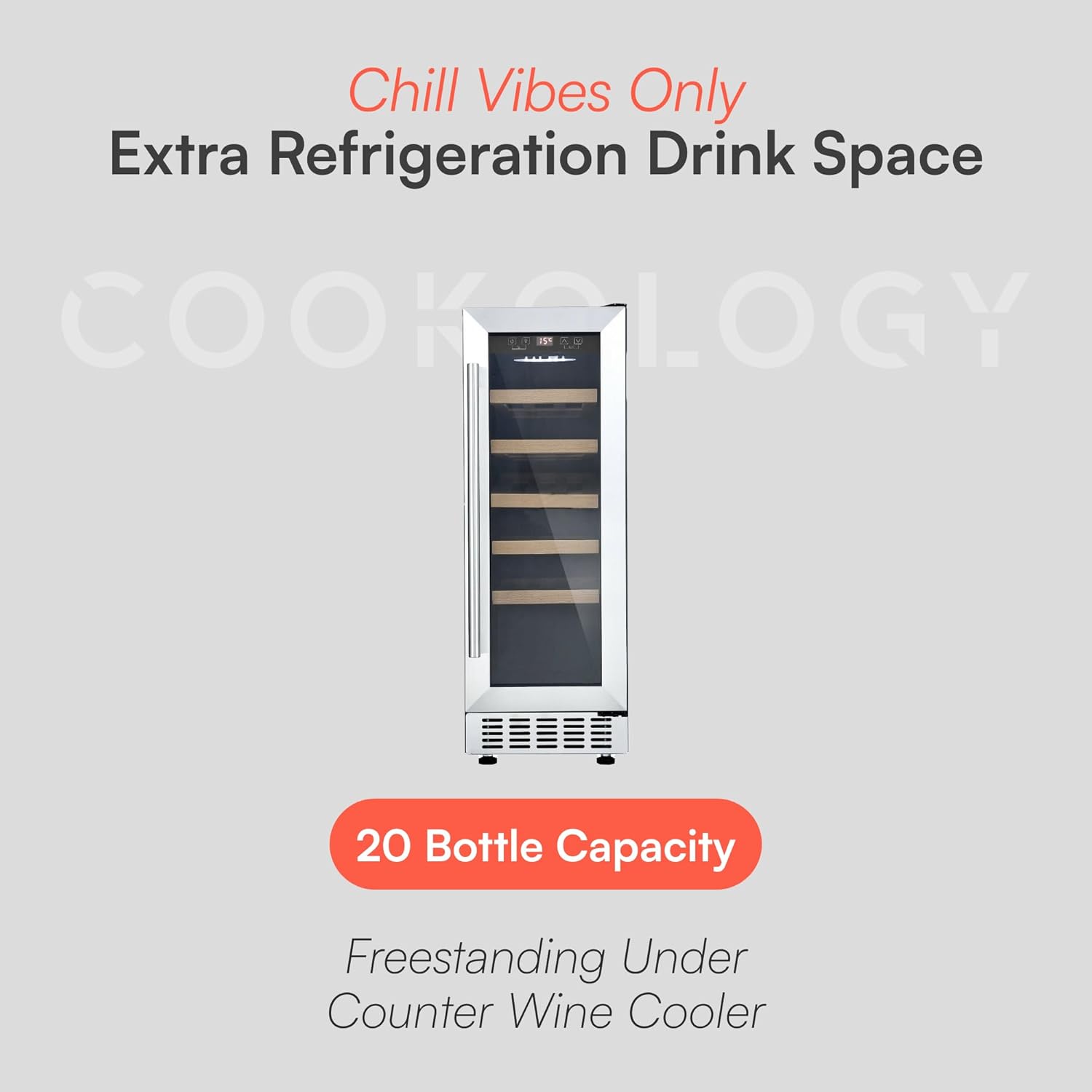
Finally, do not overlook how the fridge will fit into your living space. Built wine models slide under counters for a seamless look, while freestanding wine coolers offer more flexibility in placement. Measuring carefully, including door swing and ventilation gaps, ensures that your chosen wine refrigerator can operate efficiently without overheating the compressor or restricting airflow.
Built in versus freestanding wine refrigerators in modern homes
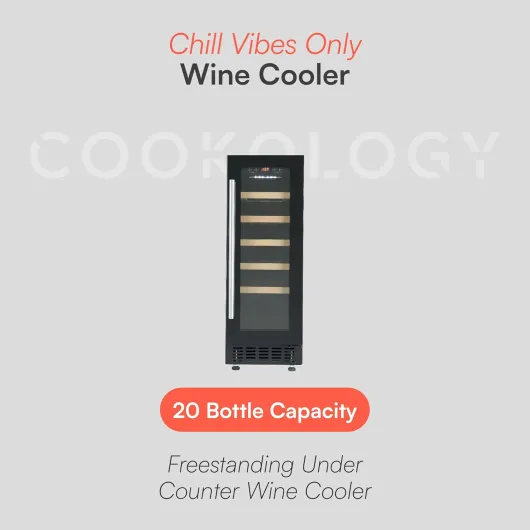
One of the most practical decisions when choosing among the best wine coolers with digital temperature control is whether to select a built in or freestanding design. Built wine models integrate neatly under counters, aligning with kitchen cabinetry and other fridges. Freestanding wine coolers, by contrast, can move between rooms and adapt to changing layouts over time.
Built in wine refrigerators require front venting so that the compressor can expel warm air without overheating. This design allows the cooler to sit flush with cabinets, but it also demands precise measurements and respect for the manufacturer’s ventilation guidelines. A miscalculated niche can restrict airflow, forcing the cooling system to work harder and potentially shortening its lifespan.
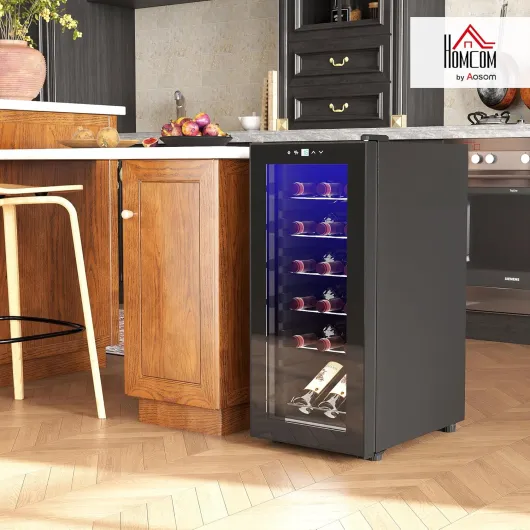
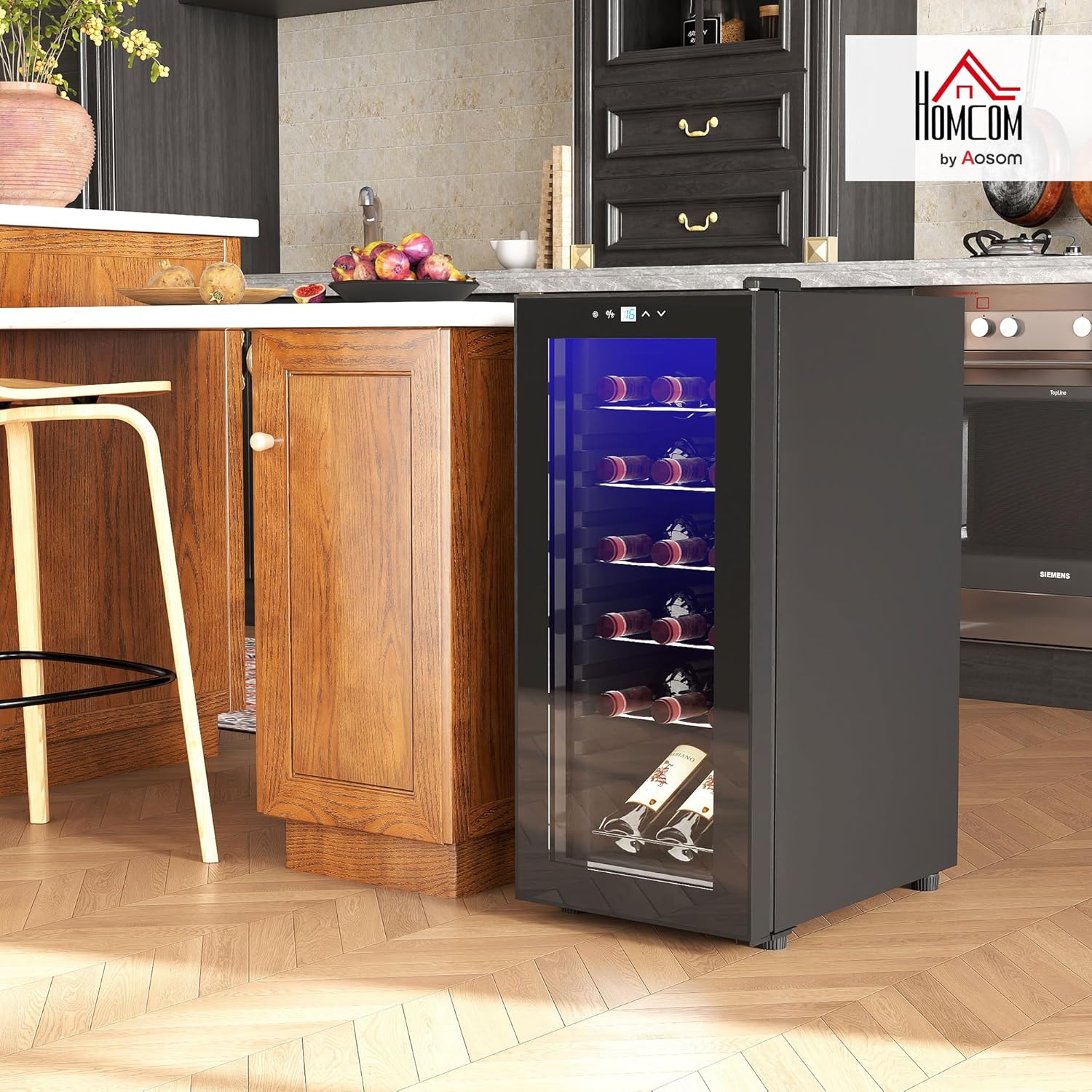
Freestanding wine fridges usually vent from the rear or sides, which means they need more clearance around the body. These wine coolers are ideal for living rooms, home offices, or dedicated tasting spaces where cabinetry is minimal. When planning placement, remember that a glass door exposed to direct sunlight will make the compressor cycle more often, so shaded corners are preferable.
Noise is another consideration, especially in open plan homes where a fridge will sit near seating areas. High quality compressors and well insulated cabinets keep sound levels low, even when the system is maintaining two temperature zones in a dual zone configuration. Reading customer reviews can reveal whether a particular brand’s wine refrigerator hums quietly or becomes intrusive during quiet evenings.
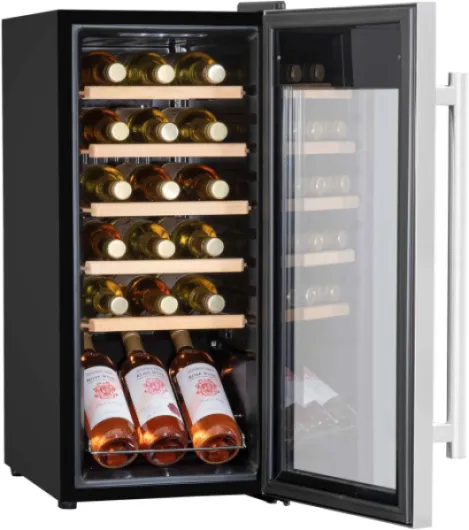
For a detailed example of a slimline model that can operate as either built in or freestanding, the review of a 28 bottle dual zone fridge shows how flexible installation can benefit small spaces. Its capacity bottles rating suits modest collections while still offering separate temperature zones for reds and whites. This kind of versatility appeals to many wine enthusiasts who expect their living arrangements to evolve.
Whichever configuration you choose, pay attention to door swing and clearance. A reversible glass door can adapt to left or right opening, which is particularly useful in tight kitchens or corridors. Planning these details in advance ensures that your wine cooler remains a pleasure to use rather than a daily obstacle.
How capacity, layout, and materials influence wine ageing
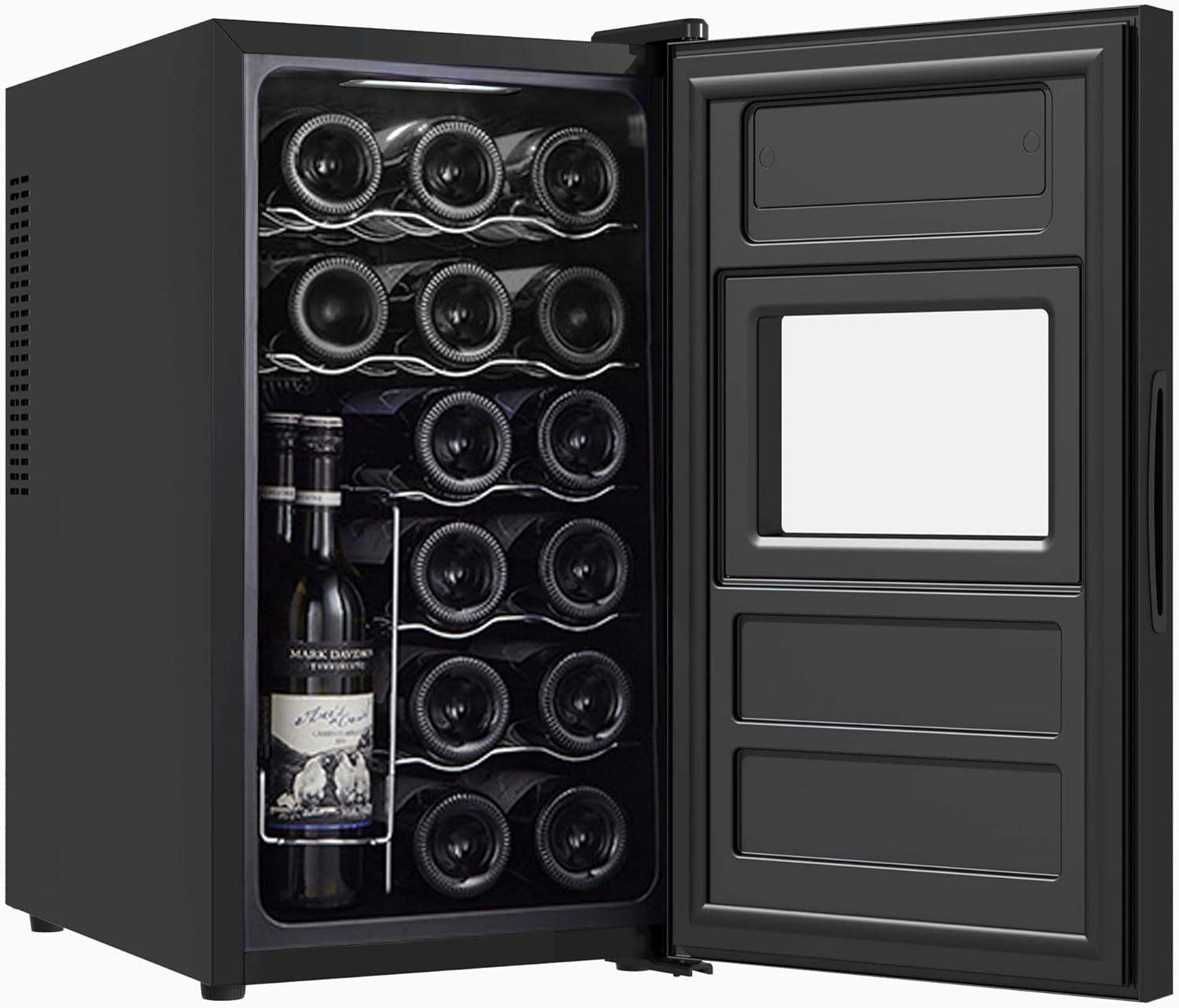
Capacity is more than a marketing number when assessing the best wine coolers with digital temperature control. A cooler rated for 30 capacity bottles may feel cramped once you introduce Champagne, rosé, and larger format reds. Planning for at least 20 percent more capacity than your current collection allows the wine refrigerator to breathe and maintain even temperature zones.
Interior layout plays a decisive role in how comfortably bottles rest over time. Wooden shelves distribute weight gently and absorb small vibrations from the compressor, which benefits wines intended for ageing. Sliding shelves also make it easier to access bottles at the back without repeatedly holding the door open and disturbing the cooling system.
Materials such as stainless steel and double glazed glass doors contribute to both insulation and aesthetics. A stainless steel frame around the glass door strengthens the structure, while tinted glazing helps shield wine from harmful light. These details, combined with a reliable temperature control interface, create a stable environment that rivals a small cellar.
Dual temperature configurations allow you to separate everyday drinking bottles from those you plan to age. For example, the upper zone wine compartment might hold ready to drink whites, while the lower zone maintains a slightly warmer setting for structured reds. This approach keeps your best wine accessible while still respecting the needs of more delicate bottles.
Customer service from the chosen brand also influences long term satisfaction. A responsive team can help troubleshoot temperature fluctuations, door seal issues, or unusual compressor noises before they affect your collection. When evaluating wine coolers, look for clear warranty terms and evidence that the manufacturer supports its wine fridges beyond the initial sale.
Ultimately, the interplay between capacity, layout, and materials determines how confidently you can store valuable bottles. A thoughtfully designed wine fridge will protect labels, minimise vibration, and maintain stable temperature zones across the entire interior. These qualities are what elevate certain models into the category of the best wine coolers with digital temperature control for serious collectors.
Evaluating brands, warranties, and real customer experiences
In a crowded market, separating marketing claims from genuine performance is essential when choosing among the best wine coolers with digital temperature control. Start by examining each brand’s track record with compressors, control boards, and door seals, because these components most often determine reliability. A wine refrigerator that maintains stable temperature zones for many years offers far better value than a cheaper fridge that fails prematurely.
Customer reviews provide a valuable window into real world behaviour. Look for patterns regarding noise levels, temperature accuracy, and how the cooling system responds during heatwaves or frequent door openings. Pay attention to comments about customer service, because a responsive support team can turn a minor issue with a wine cooler into a manageable inconvenience rather than a crisis.
Warranty terms also reveal how much confidence a brand has in its wine fridges. Longer coverage on the compressor and sealed system suggests that the manufacturer expects the fridge will perform reliably. Read the fine print to understand what happens if the glass door fogs, the digital temperature control fails, or the wooden shelves warp under load.
Design details still matter, even when you are focused on reliability. Stainless steel finishes, well aligned doors, and smoothly gliding shelves contribute to daily satisfaction with any wine fridge. Dual zone models should clearly label each zone wine compartment, ensuring that you always know which bottles are resting at which temperature.
For many buyers, the best wine is the one opened at the right moment, in perfect condition. A carefully chosen wine cooler with accurate temperature control and a robust compressor helps make that moment repeatable rather than accidental. By weighing brand reputation, build quality, and verified customer experiences, you can select a wine refrigerator that quietly supports your passion for years.
As you compare options, remember that wine coolers are long term companions rather than disposable appliances. Investing in a well engineered system with thoughtful features such as sabbath mode, adjustable capacity bottles, and reliable digital controls will reward every future glass. In that sense, the best wine coolers with digital temperature control are less about gadgets and more about preserving the stories inside each bottle.
Key statistics about digital wine coolers and home wine storage
- Dedicated wine coolers typically maintain temperature ranges between 5 °C and 20 °C, covering ideal serving and storage conditions for most styles.
- Dual zone wine fridges often allocate roughly 40 percent of capacity to cooler white wine storage and 60 percent to slightly warmer red wine storage.
- Modern compressors in quality wine refrigerators can reduce energy consumption by up to 20 percent compared with older cooling systems of similar size.
- Glass door designs with double or triple glazing can cut UV light transmission dramatically, helping protect wine from premature ageing.
- Many residential wine coolers are designed for 15 to 60 capacity bottles, which aligns with the typical size of enthusiast level home collections.
Questions people often ask about the best wine coolers with digital temperature control
Are dual zone wine fridges necessary for every wine enthusiast ?
Dual zone wine fridges are not strictly necessary, but they are highly practical for anyone who regularly drinks both red and white wine. Separate temperature zones allow you to keep whites cooler and reds slightly warmer, so both styles are ready to serve. If you mainly drink one type of wine, a well calibrated single zone wine refrigerator can still perform excellently.
What capacity wine cooler should I choose for a growing collection ?
When planning for a growing collection, choose a wine cooler with at least 20 to 30 percent more capacity bottles than you currently own. This buffer accounts for larger bottle shapes and new purchases without overcrowding the shelves. Overfilling a wine fridge restricts airflow and can create uneven temperature zones that compromise long term storage.
Is a glass door bad for long term wine storage at home ?
A glass door is not inherently bad for storage if it is well designed. Double or triple glazed glass with UV protection, combined with a stable compressor and good insulation, can protect wine effectively. Positioning the wine refrigerator away from direct sunlight further reduces the risk of light damage.
How important is customer service when buying a wine refrigerator ?
Customer service is very important, because even the best wine coolers with digital temperature control can occasionally develop issues. A responsive brand can quickly address problems with the compressor, temperature control, or door seals before they affect your bottles. Checking reviews for positive service experiences is a sensible step before committing to any wine fridge.
Can I use a regular kitchen fridge instead of a dedicated wine cooler ?
A regular kitchen fridge is designed for food safety, not for gentle wine storage. It usually runs colder than ideal, with more temperature fluctuations and stronger vibrations from the compressor. A dedicated wine cooler or wine refrigerator offers more stable temperature zones, better humidity, and layouts tailored to protect bottles over time.