Key buying criteria for reversible door wine fridges
When you buy a wine fridge with a reversible door, start by assessing capacity and bottle formats. A compact single zone wine refrigerator might list a generous bottle capacity, yet that figure usually assumes standard Bordeaux bottle wine shapes only. If you collect Champagne or Burgundy, the real storage for those bottles will be lower than the regular price marketing suggests.
Look closely at internal space, shelf design, and how the door opens relative to nearby cabinets. The best wine coolers with reversible doors offer sliding shelves that handle mixed bottles without wasting space, while cheaper fridges sometimes force you to remove a shelf to fit larger bottles. Pay attention to the stated temperature range and whether the unit is a single zone or dual zone wine cooler, because this choice defines how you separate reds and whites.
For stainless steel fans, many built in models with reversible doors appear in curated lists of top stainless steel wine coolers. These wine fridges often combine a sleek frame around the glass door with strong hinges that tolerate repeated reversals. Check whether the manufacturer specifies any extra cost for hinge reversal or if the service is included in the sale price and clearly separated from the price regular shown on the label.
| Bottle type |
Typical capacity impact* |
| Standard Bordeaux |
Matches the stated maximum bottle count in most specifications. |
| Burgundy / Pinot Noir |
Often reduces real capacity by 10–20 % due to wider shoulders. |
| Champagne / sparkling |
Can cut usable storage by 20–30 % unless shelves are adjustable. |
*Figures based on typical layouts reported in manufacturer specification sheets and example capacity charts from brands such as EuroCave, Liebherr, and Bosch.
Single zone versus dual zone in reversible door designs
Choosing between a single zone and a dual zone wine fridge is one of the most important decisions for any wine enthusiast. A single zone wine cooler with a reversible door keeps the entire interior at one temperature, which suits long term storage of red wine or mixed everyday bottles. Dual zone models divide the cabinet into two temperature zones, allowing you to chill whites and rosés colder while keeping reds slightly warmer.
In practice, a dual zone wine refrigerator with reversible doors offers the most flexibility for households that serve different styles regularly. You might set the upper zone wine compartment to around 12 °C for ready to drink reds, while the lower zone runs at 6–8 °C for sparkling bottles and crisp whites, in line with serving ranges suggested by the Wine & Spirit Education Trust (WSET, storage and service temperature guidance). If you mainly age best wine selections for years, a single zone cabinet with stable temperature and generous bottle capacity will often be the better buy.
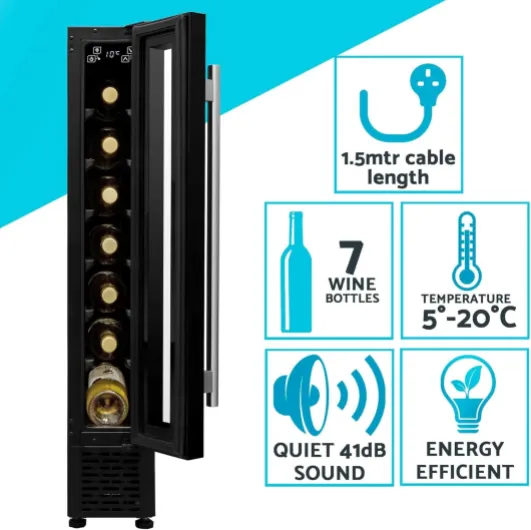
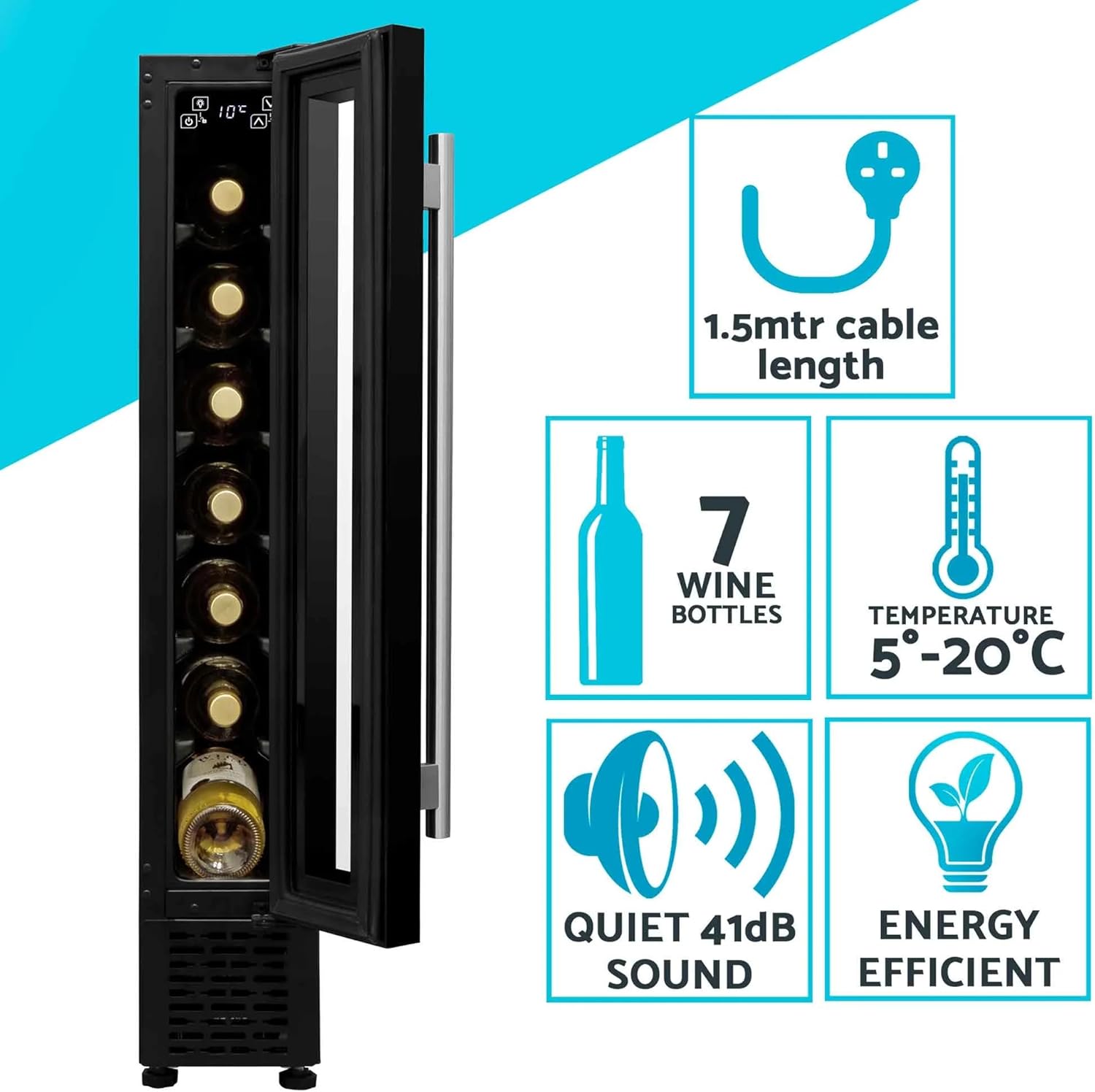
Noise can also influence your choice, especially in open plan living rooms where a humming fridge door becomes distracting. Quiet single zone wine fridges tend to have simpler airflow paths, while some dual zone systems add fans that increase sound levels slightly. Independent lab tests and Consumer Reports style reviews often quote figures around 35–42 dB for well engineered wine refrigerators (see, for example, noise measurements in recent countertop and undercounter wine cooler tests), so for readers sensitive to noise it is worth checking specialist guides to top quiet wine coolers before deciding which reversible door configuration suits your space.
Premium options such as EuroCave with reversible doors
At the high end of the market, brands like EuroCave focus on precise temperature control and long term wine cellar performance. A EuroCave wine fridge with a reversible door often includes thick insulation, vibration dampening, and carefully calibrated temperature zones that protect fine bottles. These premium wine coolers cost more than a basic fridge, yet they offer stability that serious collectors value.
The EuroCave Premiere range illustrates how a reversible door can coexist with advanced features such as humidity management and UV filtered glass. Within a EuroCave Premiere cabinet, each bottle wine rests on beechwood shelves that slide smoothly even when the door hinge has been reversed. Some models are single zone for ageing, while others use dual zone layouts to separate serving temperature from long term storage in the same cooler.
EuroCave also produces the Classic and Premiere lines for dedicated wine enthusiasts who want professional performance at a more accessible sale price than large commercial cellars. A EuroCave cabinet with reversible doors offers flexible bottle storage while maintaining the brand’s focus on low vibration and accurate temperature. When comparing regular price figures, remember that these fridges are built as long term wine cellar tools rather than simple kitchen appliances, so the investment will usually pay off in better preserved bottles.
| Example model |
Approx. capacity* |
Zones |
Indicative price band* |
Hinge reversal |
| EuroCave Premiere L (e.g. model L-PURE) |
150–190 bottles |
Single zone |
Upper mid to premium |
Factory reversible, usually technician recommended |
| EuroCave Classic S (e.g. model V-PURE) |
80–110 bottles |
Single or dual zone (varies by version) |
Mid to upper mid |
Reversible door, check if service is included in sale price |
| Typical 30–40 bottle undercounter cooler |
30–40 bottles |
Single or dual zone |
Entry to mid range |
Often user reversible with basic tools |
*Capacities and price bands based on manufacturer specification sheets and current retail listings; always confirm exact figures for the specific model number you are considering.
Fitting reversible door wine coolers into your living space
Planning where to place a wine cooler with a reversible door starts with measuring available space carefully. Built in wine fridges need ventilation gaps around the cabinet, while freestanding models require more breathing room at the back and sides. Always check the manufacturer’s drawings for minimum clearances, because poor airflow will undermine temperature stability and shorten the fridge lifespan.
Think about how the door will open in daily life, not just on paper. A reversible door lets you choose the hinge side that keeps walkways clear and prevents the handle from hitting adjacent cabinets or other fridges. In narrow kitchens, placing the wine refrigerator at the end of a counter run and reversing the door hinge away from the wall can transform an awkward corner into a practical wine storage zone.
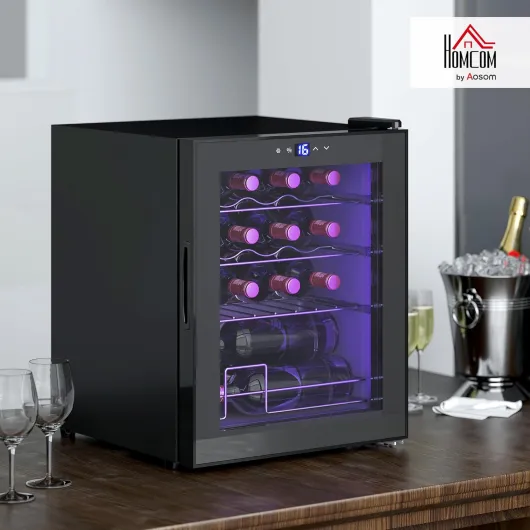
For open plan rooms, consider how the glass door and internal lighting will look from different angles. Some wine coolers with reversible doors offer soft amber lighting that flatters labels without heating the bottles, while others use bright white LEDs that highlight every bottle capacity row. If you want the cooler to blend quietly into a living area, choose a model whose design, noise level, and temperature zones align with the rest of your furniture and your broader wine cellar plans.
| Installation type |
Typical clearance guidance* |
| Freestanding |
Often 5–10 cm at the rear and a few centimetres at each side for airflow. |
| Built in / undercounter |
Precise cut out width and height, plus a vent at the plinth or toe kick. |
| Fully integrated |
Cabinet specific instructions, with ventilation channels behind or above. |
*Always follow the exact figures in the product installation manual.
How to compare prices, specifications, and long term value
Comparing the sale price and the price regular of wine coolers with reversible doors requires more than scanning headline discounts. Look beyond the sticker to evaluate compressor quality, insulation thickness, and the accuracy of the stated temperature range. A cheaper wine fridge that struggles to hold a stable temperature will cost you more in spoiled wine than you save at checkout.
Pay attention to how manufacturers describe bottle capacity and storage flexibility. If a cooler claims space for many bottles, check whether that figure assumes only slim Bordeaux shapes or includes wider bottle wine formats such as Champagne and Rhône. The best wine coolers with reversible doors usually provide diagrams showing how different bottles fit, which helps you judge real world capacity instead of relying on optimistic marketing.
For a deeper comparison of single zone and dual zone designs, many readers will benefit from guides such as the analysis of why dual zone became the default in modern wine fridges, which also explains the rare situations where a single zone unit still wins; you can continue reading about dual zone versus single zone choices there. When you balance features, energy use, and build quality, a slightly higher initial investment often secures better protection for your best wine collection. Over the life of the wine refrigerator, that protection will usually matter more than a small difference in upfront cost.
Practical usage tips for reversible door wine refrigerators
Once your wine cooler with a reversible door is installed, allow it to reach the target temperature before loading bottles. Placing wine into a fridge that is still warming or cooling will slow stabilisation and can stress the compressor. Aim for a gradual filling process, starting with the lower shelves where temperature tends to be most stable.
Organise bottles according to temperature zones and drinking windows rather than by colour alone. In a dual zone cabinet, keep ready to drink whites and sparkling wine in the colder zone wine section, while ageing reds and structured bottles sit in the slightly warmer zone. A single zone fridge can still support this strategy by grouping near term bottles at the front and long term storage deeper inside, where door openings have less impact.
Regular maintenance protects both the door mechanism and the wine itself. Clean the door seals gently so the reversible door continues to close tightly, and check that the cooler remains level so the hinge does not strain over time. If you treat the wine fridge as part of your broader wine cellar system rather than a simple kitchen appliance, it will reward you with reliable performance and consistently enjoyable bottles.
Key figures about reversible door wine coolers
- Market research from several European appliance associations shows that compact wine fridges under 150 litres represent more than 60 % of wine refrigerator sales, and a growing share of these units now include reversible doors to suit smaller urban kitchens (see, for example, summary data in recent home appliance market overviews).
- Energy labelling data from major brands and testing protocols from the Association of Home Appliance Manufacturers (AHAM) indicate that modern compressor based wine coolers can maintain temperature within a narrow band of about ±1 °C under standard test conditions, which is significantly more stable than typical household fridges that often fluctuate by 3–5 °C.
- Surveys of wine enthusiast households and premium segment sales reports suggest that dual zone wine fridges account for roughly half of premium segment purchases, reflecting demand for separate temperature zones for red and white bottles in a single cabinet.
- Manufacturer specifications for popular EuroCave Premiere and Classic models show bottle capacity figures ranging from about 30 to more than 200 bottles, illustrating how storage needs scale from casual drinkers to serious collectors.
- Field tests by independent appliance labs and Consumer Reports style reviews have found that correct door seal maintenance can reduce energy consumption of a wine cooler by up to 10 %, underlining the importance of keeping reversible door gaskets clean and undamaged.
References
Wine & Spirit Education Trust (WSET) – guidance on wine storage and service temperatures, including recommended ranges for red, white, and sparkling wines; see WSET course materials and educator resources.
Association of Home Appliance Manufacturers (AHAM) – data on appliance energy performance, temperature stability, and testing standards for refrigeration products, including wine coolers, in AHAM technical documentation.
Consumer Reports and similar independent testing organisations – comparative reviews, noise measurements in dB, and long term reliability assessments for wine refrigerators and related fridges, as published in recent appliance test reports.