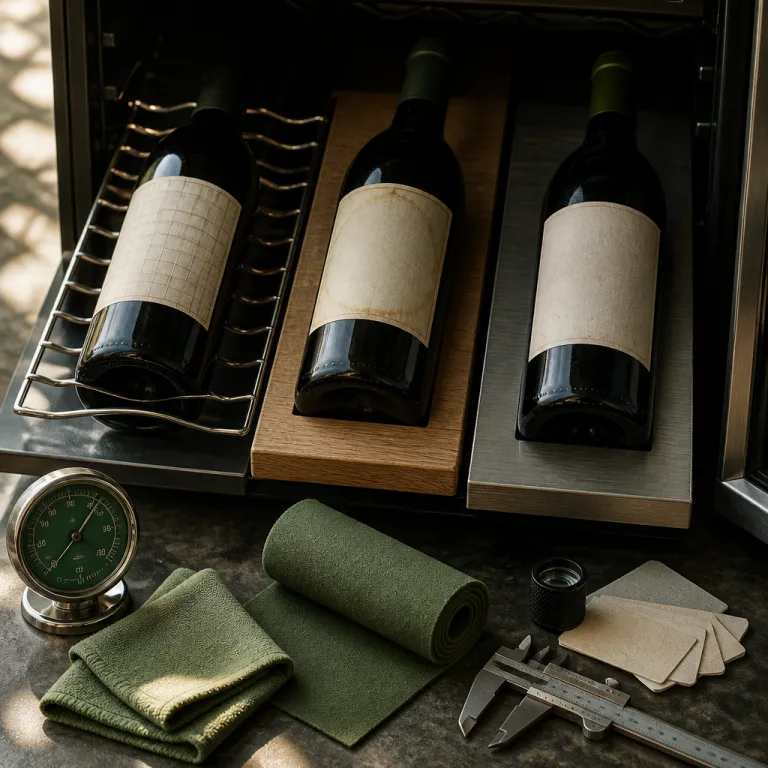
Why wine cooler shelf material quietly decides your real capacity
Most buyers obsess over temperature ranges and forget how wine cooler shelf material shapes daily use. When you slide a shelf with a full load of bottles every week, the way that shelf flexes, vibrates, and grips the glass will decide whether your labels stay pristine and whether the stated capacity is realistic. For a home wine enthusiast with 20 to 60 wine bottles, the wrong shelf can turn a promising wine refrigerator into an awkward fridge wine cabinet that never quite fits your collection.
Think about how a single shelf must hold bottles of different diameters, from slim Riesling to broad Champagne, while still gliding smoothly inside a compact fridge. If the rack spacing is too tight or the metal wires are too thin, the bottle labels can pinch, scuff, or twist every time you reach for a favorite wine, and over time those tiny frictions add up to visible wear. That is why the best wine racks and shelves balance capacity claims with real world wine storage, accepting that a 46 bottle product might comfortably store only 40 bottles if you want every label intact.
Inside a modern wine cooler, the shelf is not just a neutral item that keeps bottles off the floor of the refrigerator compartment. It acts as a bridge between the compressor or fan vibrations and the wine bottles, so the choice between wood, metal, and hybrid racks directly affects how much motion reaches the cork. Independent lab tests on household refrigerators routinely measure vibration in the range of 0.1 to 0.5 g at the shelf, and customers who read detailed customer reviews on large marketplaces quickly notice patterns where certain wine refrigerators with flimsy racks rattle, while sturdier wooden shelves or thicker stainless steel racks keep the wine shelf stable and quiet.
Wire shelves in wine refrigerators: cheap capacity, hidden label costs
Wire shelves are the default in many entry level wine refrigerators and compact kitchen refrigerators, because thin metal is inexpensive and easy to bend into a rack that holds bottles. In practice, the gauge of the metal and the spacing between each wire decide whether your wine bottles rest securely or slowly engrave their labels along two narrow pressure lines. On typical budget models, wires may be around 3 to 4 millimeters thick and spaced 20 to 25 millimeters apart, and repeated sliding of a wire shelf in and out of a fridge can leave faint but permanent grooves on paper labels, especially when the bottles are slightly oversized for the stated capacity.
On budget models that promise generous capacity, manufacturers often stack wire racks very close together so they can advertise space for more bottles than the cabinet comfortably accepts. When you try to store mixed bottles from different regions, the upper shelf may scrape the top of a taller bottle, and the lower wires may bite into the label as you wrestle the bottle free. If you are planning a big wine storage project for a growing collection, it is worth reading a detailed guide on how to choose racks and shelving for a big wine bottle collection from a reputable wine storage resource before committing to a wire heavy interior.
Not every wire shelf is a problem, and some mid range wine rack designs use thicker metal with a gentle cradle that holds bottles without sharp edges. These racks can work well when the fridge is level, the compressor is quiet, and the shelf does not flex under full load, but they still transmit more vibration than solid wood shelf designs. If you already own a wine cooler with basic wire shelves, you can reduce label damage by adding thin, food safe liners that spread the contact area and by avoiding overloading the racks beyond the realistic number of bottles they can hold.
Wood trimmed and oak shelves: warmer aesthetics, softer label contact
Wood trimmed shelves sit between bare metal racks and full wooden shelves, offering a compromise that many wine enthusiasts find appealing. In well reviewed models from brands such as Wine Enthusiast, sliding wood trimmed shelves glide smoothly even when they hold bottles at full capacity, and the wood edges give each bottle a broader, softer surface that is kinder to labels. Over extended use, that extra surface area means less concentrated pressure on any single point of the paper, which helps keep labels crisp for collectors who care about resale value.
Oak shelves, used in several 30 to 40 bottle wine refrigerators from major manufacturers, add a warmer visual tone to the interior of a fridge and can make a modest wine storage space feel like a miniature cellar. Because oak is slightly porous, it can absorb a bit of ambient humidity, which helps prevent condensation from pooling under a bottle and soaking the label, but it also means you must keep the refrigerator clean so no odors seep into the wood. When oak shelves are well finished and properly sealed, they offer a stable platform that holds bottles securely, yet they still need occasional inspection to ensure no warping or swelling reduces the smooth slide of the rack.
For owners of side by side refrigerators who add a retrofit wine shelf or a dedicated wine rack insert, wooden shelves can transform a standard refrigerator into a more wine friendly space. A solid wood shelf or a set of wooden shelves distributes weight evenly, so even when the rack holds bottles of different shapes, each bottle rests on a broad base rather than a thin wire. Over time, that even support reduces label scuffing and keeps the underside of each bottle free from the faint ring marks that sometimes appear on glass stored on bare metal.
Stainless steel, modular racks, and emerging vibration dampening designs
Stainless steel shelves and hybrid metal racks appeal to buyers who want a clean, modern look inside their wine cooler, especially when the exterior of the fridge matches other stainless appliances. In practice, stainless steel behaves like other metal shelves in that it can transmit vibration from the compressor to each bottle, but thicker profiles and rubberized contact points can reduce that effect. In comparative tests by appliance reviewers, a well designed stainless rack that holds bottles in a gentle cradle will usually protect labels as well as wood, provided the refrigerator is level and not overloaded beyond its stated capacity.
Modular reversible racks, offered in several smart refrigerator lines, promise flexibility by allowing owners to switch between wine and can configurations depending on what they want to store. This versatility is attractive for small apartments where one fridge must handle both everyday groceries and wine bottles, yet the compromise is that the rack geometry is not fully optimized for long term wine storage, so labels may still rub when you change configurations. If you often switch between cans and wine, pay attention to how the rack holds bottles in each mode and whether the shelf edges contact the label when you slide the rack in and out of the cabinet.
Vibration dampening shelving is emerging as a trend in wine refrigerators, with some manufacturers adding rubber grommets, floating shelf supports, or composite materials between the rack and the cabinet walls. These designs aim to isolate the wine shelf from the mechanical oscillation of the compressor, which helps protect both the wine and the labels over many months of storage. When you evaluate a new wine refrigerator or a set of aftermarket wine racks, look for clear descriptions of how the product reduces vibration, such as measured decibel reductions or g rated vibration data, rather than vague claims, and check whether customer reviews mention quieter operation or better star ratings for long term stability.
Real world issues: broken shelves, shipping, and how to protect labels now
Beyond material choice, the way shelves arrive and age in your wine cooler matters just as much for label preservation. Some customers report receiving a wine rack or shelf with parts broken or missing after rough shipping orders, which can leave a metal rack slightly bent or a wood shelf misaligned, and those defects often translate into uneven pressure on bottles. If your new wine cooler arrives with any shelf damage, treat that item as a structural problem, not just a cosmetic flaw, because a warped rack that holds bottles at an angle can scrape labels every time you move a bottle.
Retailers that offer free shipping on wine refrigerators and wine racks sometimes pack multiple shelves together, and if the packaging is thin, the shelves can rub and dent each other in transit. When you unpack a new wine refrigerator or a set of wooden shelves, inspect every rack for sharp edges, exposed welds, or splinters that might contact a label, and do not hesitate to request a replacement if anything looks unsafe. During the first year of use, periodically slide each shelf out of the fridge and check for metal burrs, loose screws, or swelling in wood that could change how the rack holds bottles under full capacity.
If you already own a wine cooler and worry that your current wine shelf design is scuffing labels, there are simple tests and fixes. Place a sheet of plain paper under a bottle on each shelf, leave it for a week, and then slide the bottle off to see whether the paper shows deep grooves or abrasion that would mirror label damage, and if it does, consider adding thin cork or silicone liners to each rack. For households where children might tug on a lower rack or open the refrigerator door repeatedly, a child proof fridge lock tested for kitchen refrigerator cabinets can reduce accidental shelf jolts that shake bottles and stress labels over time.
Brand specific shelving quirks: WRC style coolers, Avavalley, and Amazon feedback
Some commercial style wine refrigerators, including models in the Avavalley WRC family, use heavy duty metal racks designed for restaurant service rather than quiet home cellars. These shelf WRC designs often prioritize maximum capacity and fast access, so the racks hold bottles securely but may not cradle each bottle as gently as a residential wood shelf, which can matter if you care about pristine labels. When you evaluate a WRC wine cooler or any similar product, look beyond the headline capacity and ask how the racks support the bottle body and whether the shelves slide smoothly when fully loaded.
On large marketplaces such as Amazon, customer reviews and aggregated star ratings can reveal long term shelving issues that do not appear in glossy product photos. Pay attention to comments where customers mention that a rack holds bottles less securely than expected, that a wine shelf flexes under weight, or that certain bottles do not fit under upper shelves without scraping their labels. When multiple customers describe the same problem with broken or missing shelf parts, or with racks that rattle inside the refrigerator, you can safely assume that the shelving design needs improvement.
For home wine enthusiasts who already own a mixed setup of standard refrigerators and dedicated wine coolers, it often makes sense to reserve the most label friendly shelves for your most valuable bottles. Use the gentler wooden shelves in your primary wine refrigerator for age worthy wine, and keep everyday bottles on sturdier metal racks in a secondary fridge wine compartment where label scuffs matter less. Over time, this simple strategy, combined with careful inspection of each item of shelving and attention to how every rack holds bottles, will do more for your labels than any marketing claim about premium materials.
FAQ
Does wood or metal shelving protect wine labels better over time ?
Wood shelving generally protects wine labels better than bare metal because it spreads the weight of each bottle over a wider, softer surface. Metal racks can work well if they use thick wires and smooth welds, but thin wires tend to leave pressure lines on labels after many months. For collectors who care about label condition, a solid wood shelf or wood trimmed rack is usually the safer choice.
Can wire shelves damage wine labels in a standard kitchen refrigerator ?
Wire shelves in a standard refrigerator can damage wine labels when bottles roll or vibrate against narrow wires. Over time, the constant contact can create faint grooves or scuffs, especially if the fridge runs with noticeable vibration. Using a dedicated wine rack insert or adding a thin liner under bottles reduces this risk significantly.
How do I know if my current shelves are harming my wine labels ?
You can test your shelves by placing a strip of plain paper under a bottle and leaving it in place for several days. If the paper shows deep indentations or abrasion when you remove the bottle, your labels are likely experiencing similar stress. In that case, consider adjusting how many bottles you store per shelf or adding a protective liner.
Are oak shelves in wine coolers safe in humid conditions ?
Oak shelves are generally safe in the controlled humidity of a wine cooler, especially when they are properly sealed and finished. The wood can absorb small amounts of moisture, which helps prevent condensation from pooling under bottles and soaking labels. Regular cleaning and avoiding strong odors in the cabinet will keep oak from absorbing unwanted smells.
Is it worth upgrading shelves in an existing wine cooler ?
Upgrading shelves can be worthwhile if your current racks flex, rattle, or visibly mark labels. Replacing thin wire shelves with sturdier wooden shelves or better designed metal racks improves both bottle stability and usable capacity. For many home enthusiasts, this upgrade costs less than replacing the entire wine cooler while delivering a noticeable improvement in daily use.