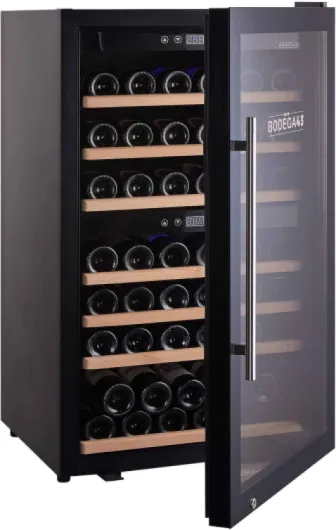
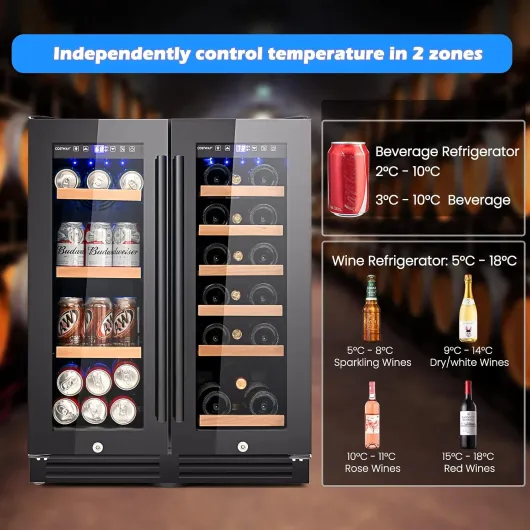
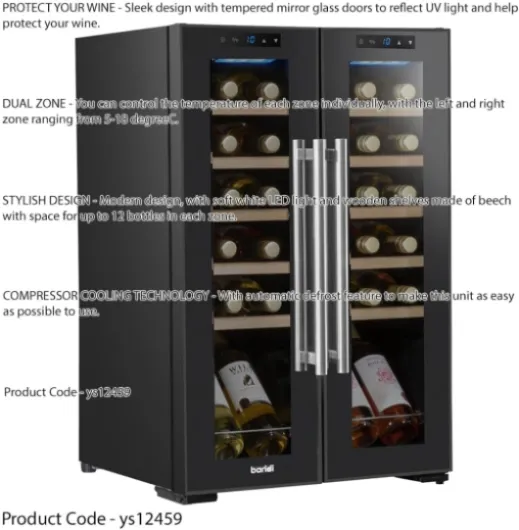
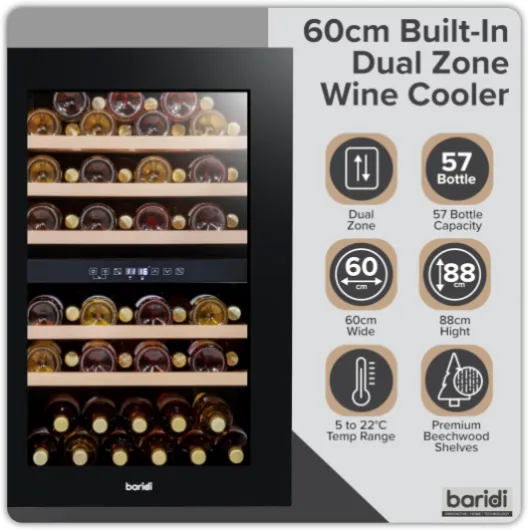
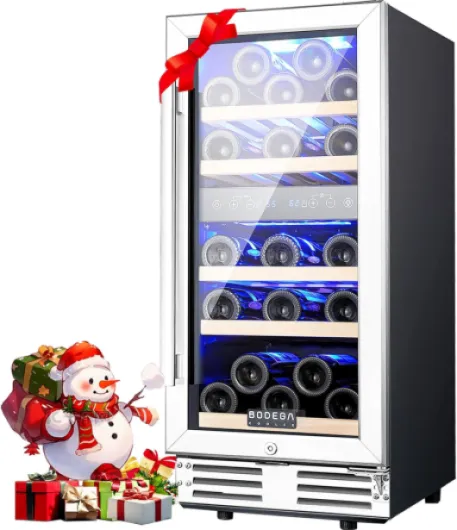
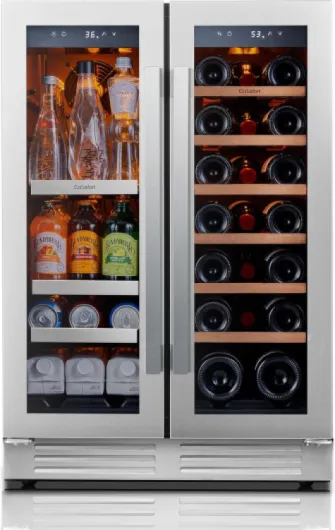
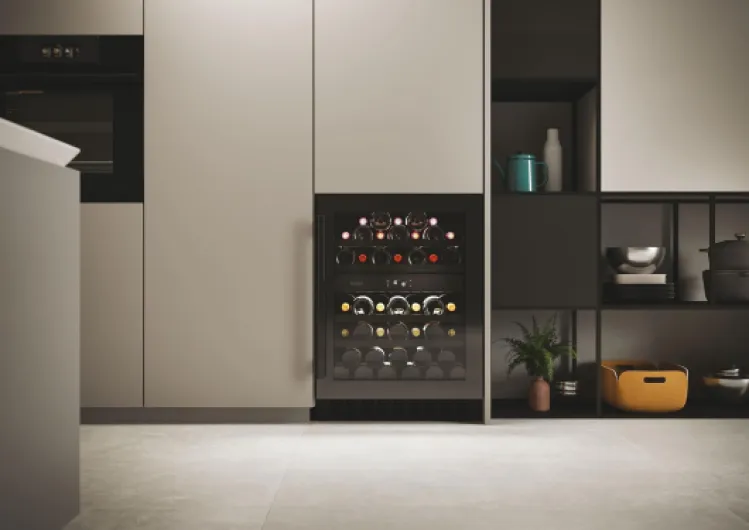
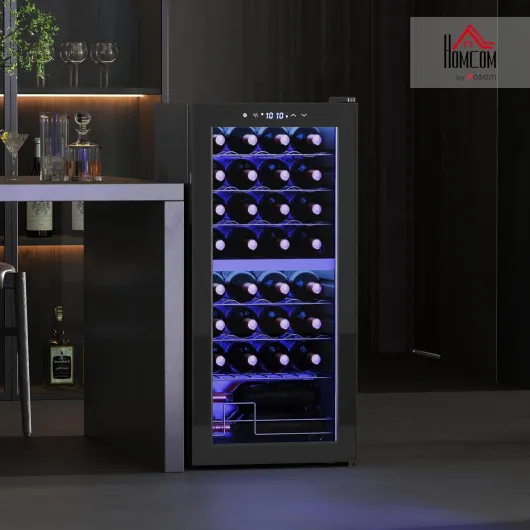
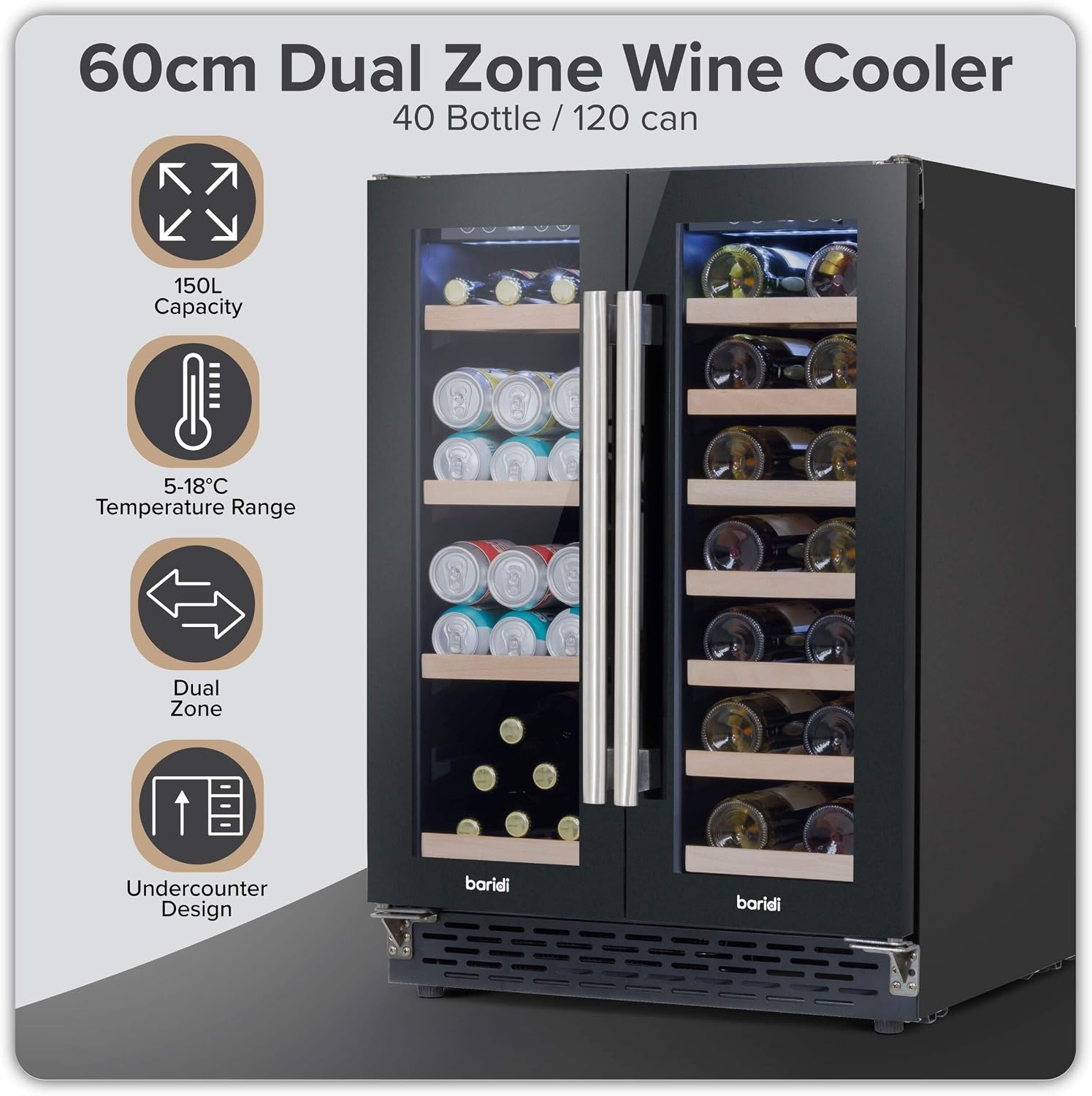
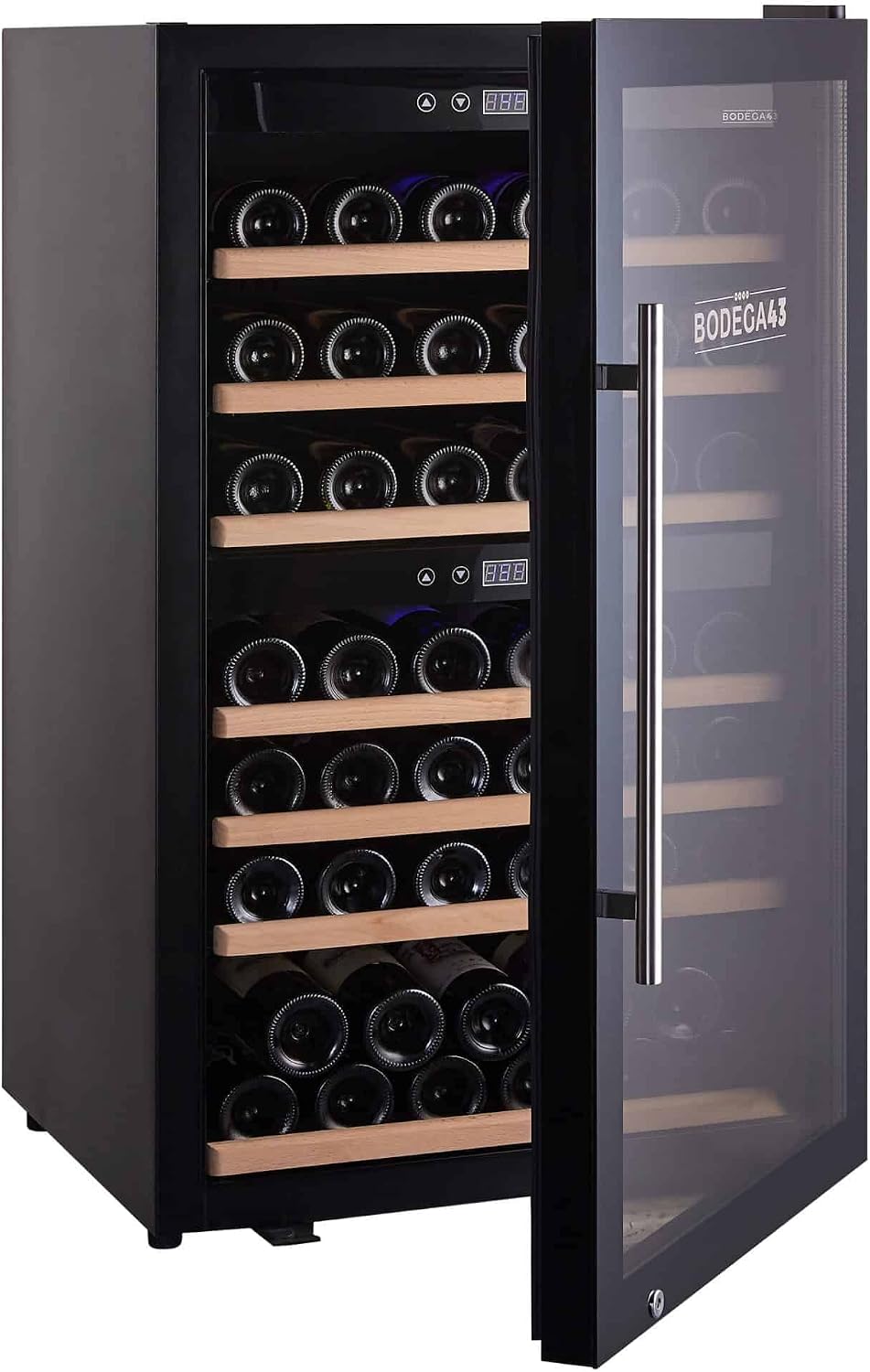
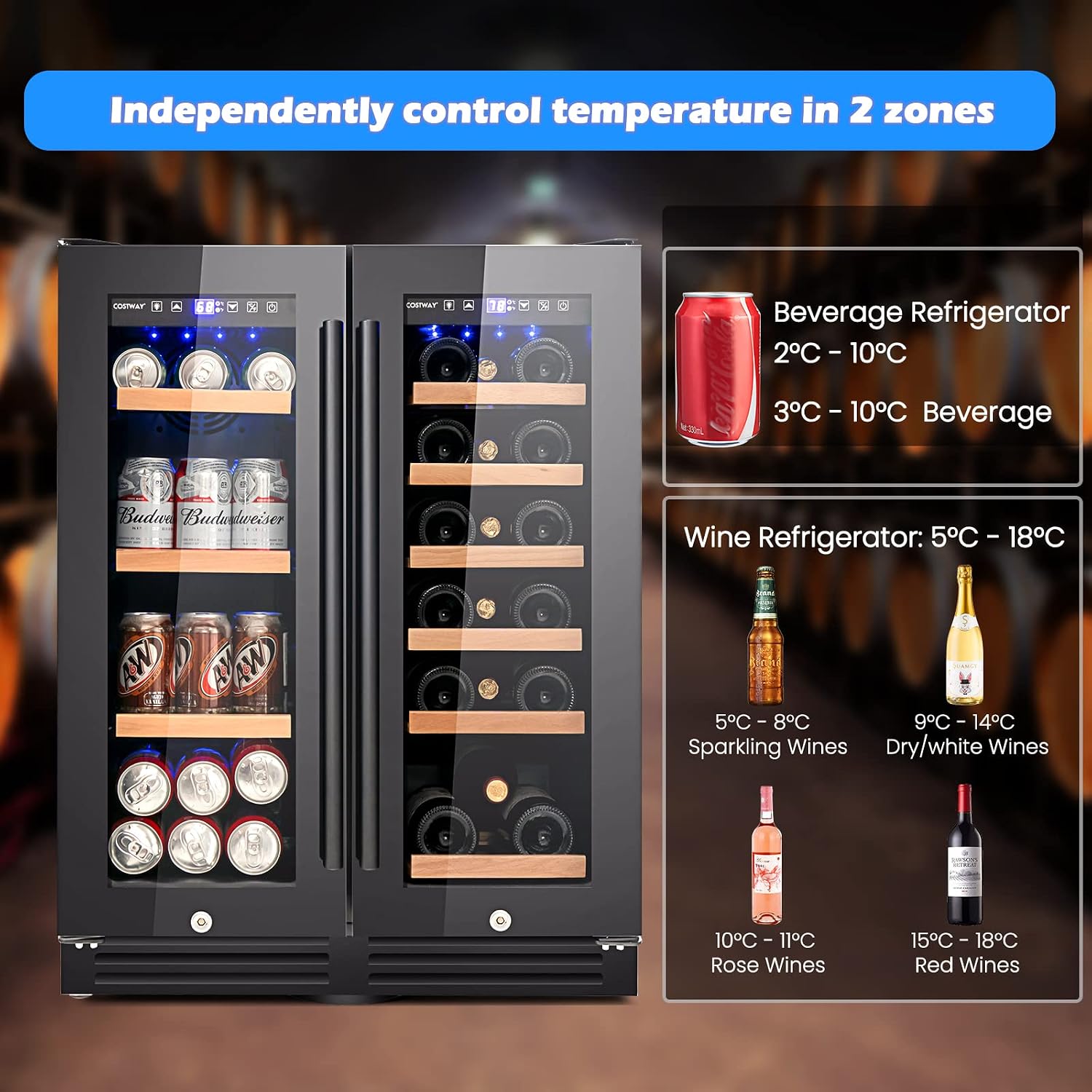
Key technical features that define the best dual zone wine coolers
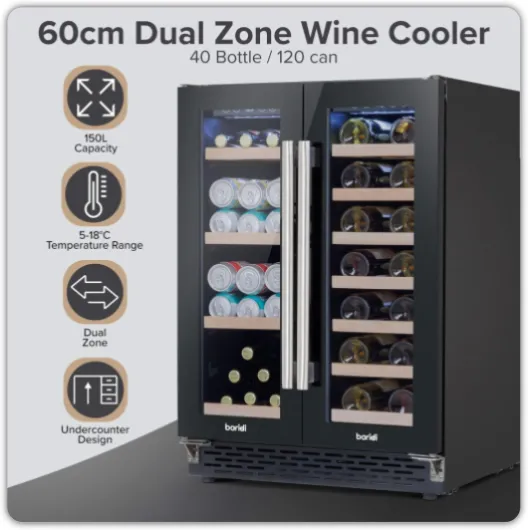
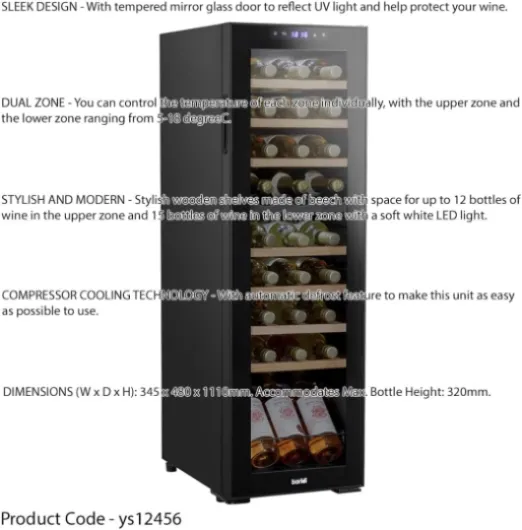
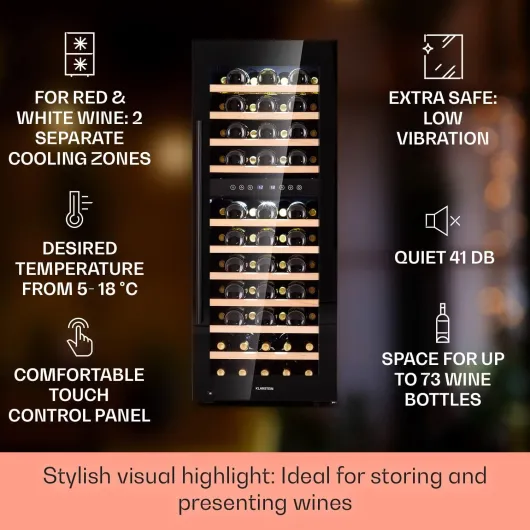
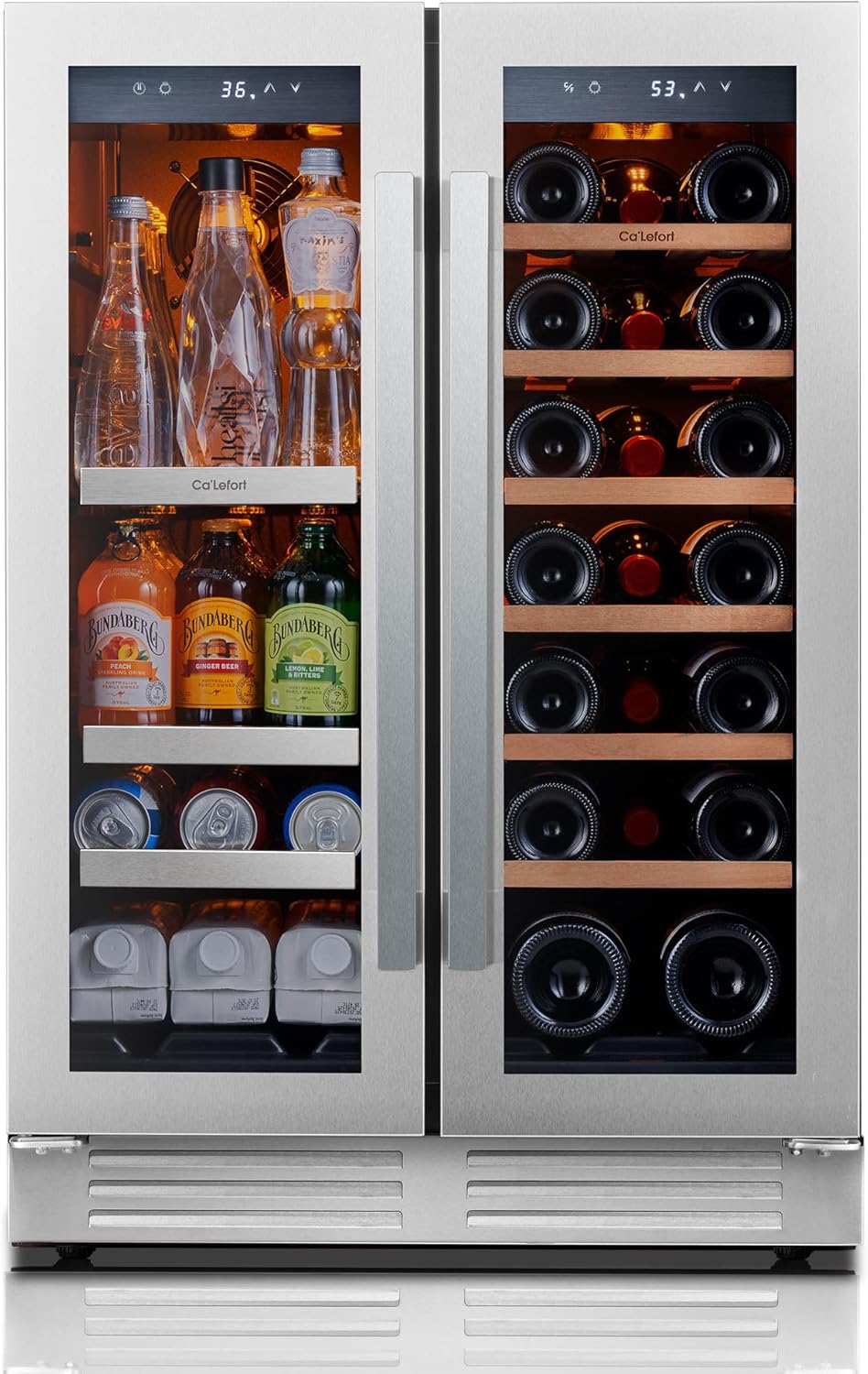
Evaluating the best dual zone wine coolers starts with understanding temperature stability and control. Each zone in a serious wine cooler must hold a narrow temperature band, usually around 5–10 °C for whites and 12–18 °C for reds. Advanced systems such as Tru Vino style digital regulation in some wine refrigerators reduce swings that can stress every bottle in the collection.
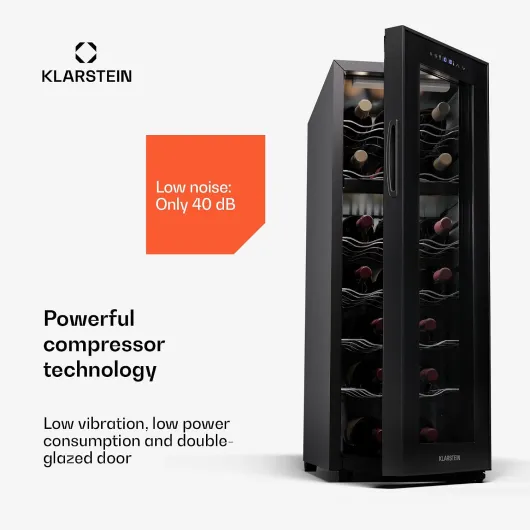
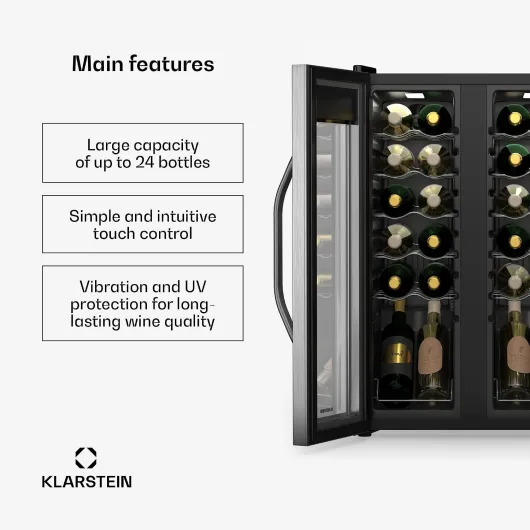
Compressor based wine fridges generally offer stronger cooling power and better long term reliability than thermoelectric coolers, especially in warmer rooms. However, a compressor wine fridge should isolate vibration from the shelves, because constant movement can disturb sediment in older vino bottle treasures. When reading a wine cooler specification sheet, pay attention to noise levels, vibration control, and whether the refrigerator cabinet is built with proper insulation on every side.
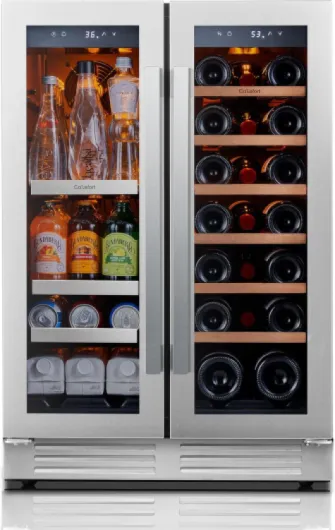
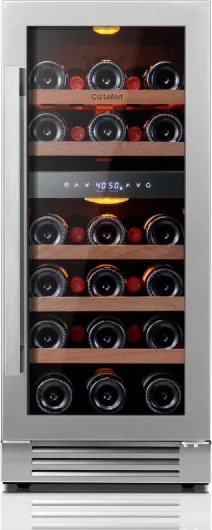
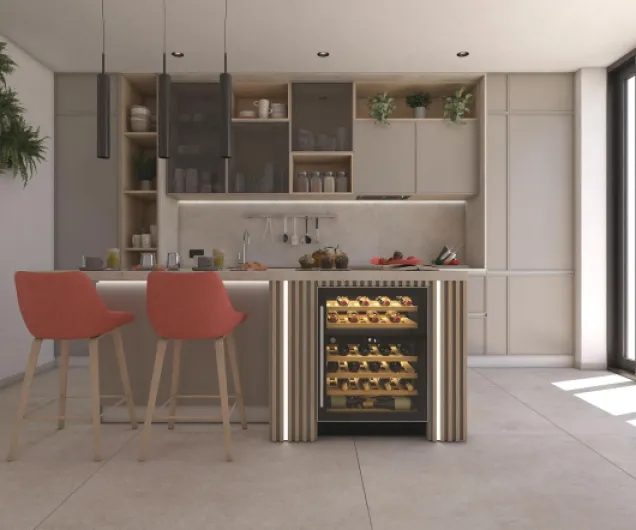
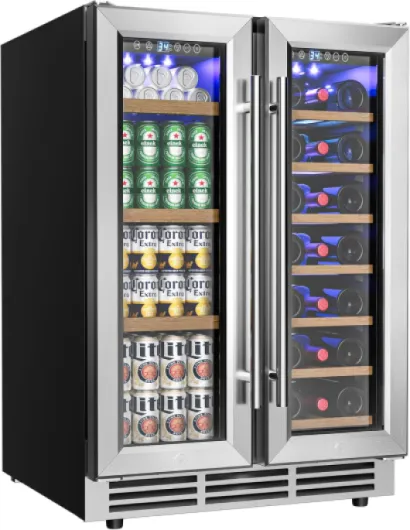
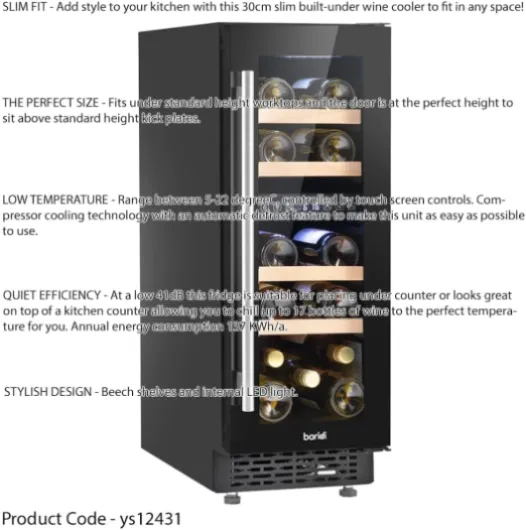
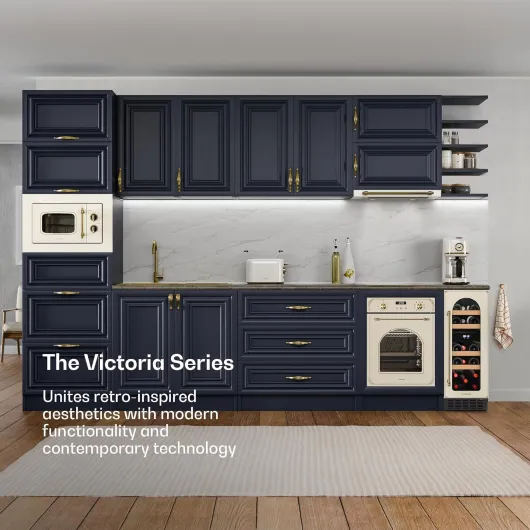
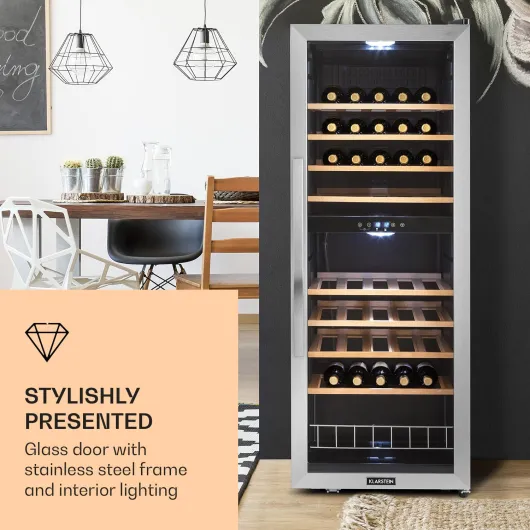
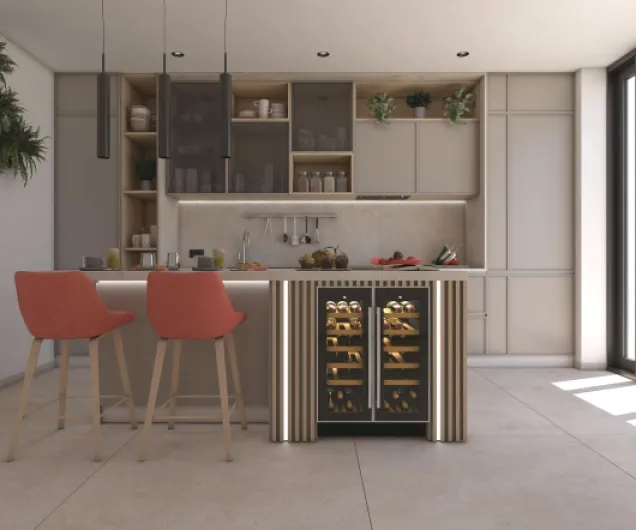
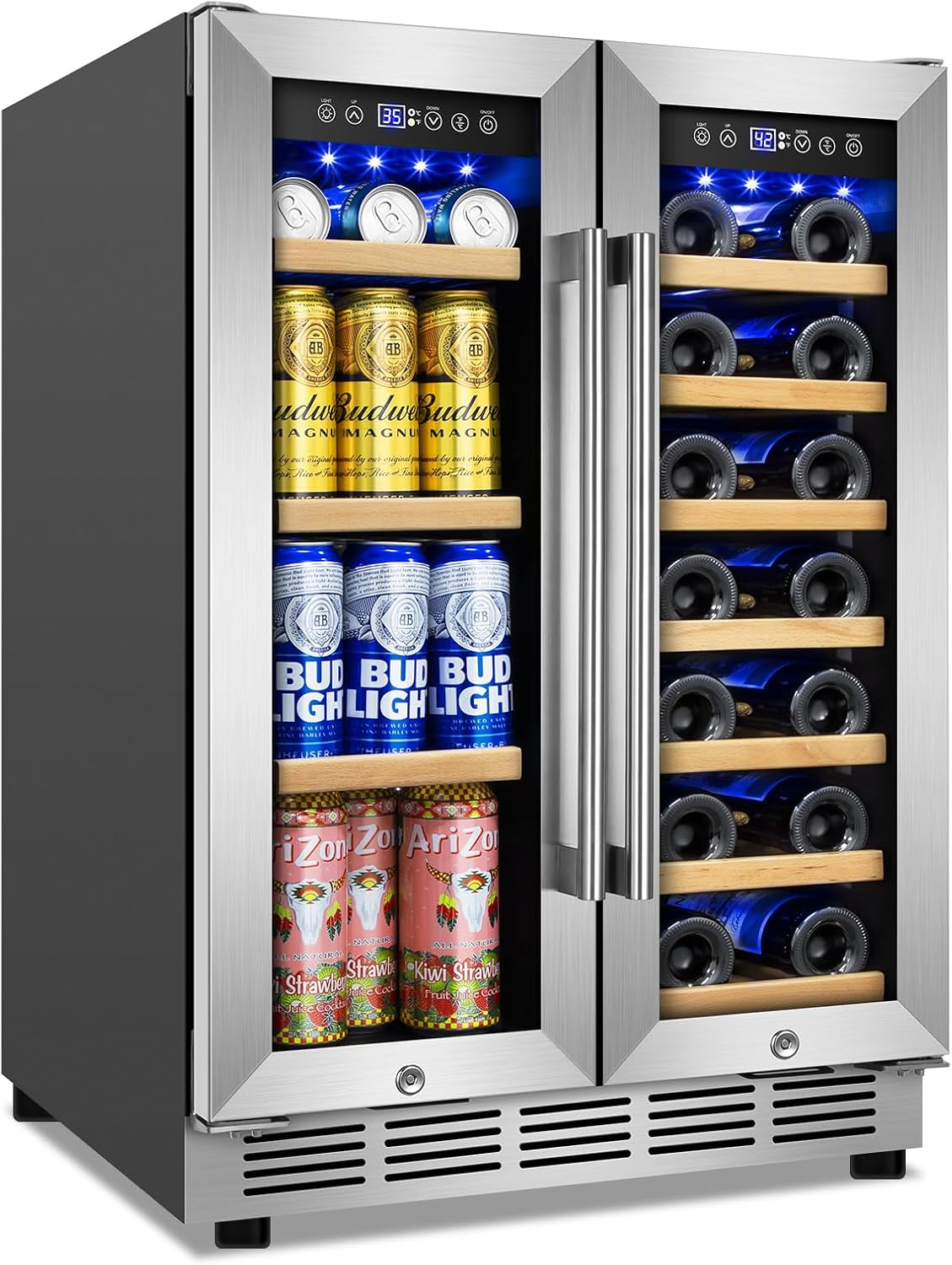
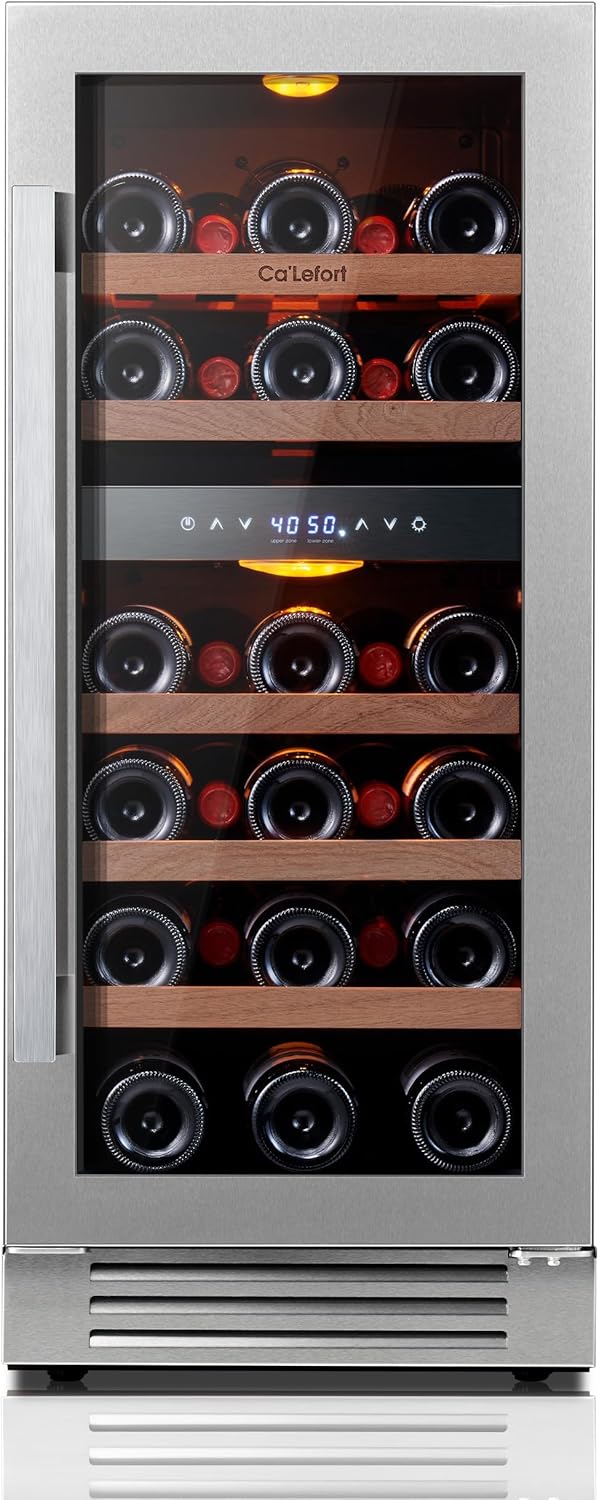
Door construction also shapes performance and usability in a dual zone wine refrigerator. A stainless steel frame with low emissivity glass helps each zone maintain temperature, while a left hinge or right hinge wine door choice determines how the cooler fits beside cabinetry. For under counter installations, check that the wine cooler is built for front ventilation, since a standard fridge or cellar refrigerator design may overheat when enclosed.
For more context on handling tools that complement a serious collection, a guide such as mastering the art of the corkscrew twister helps ensure that bottles stored in a dual zone wine fridge are opened cleanly and safely.
Capacity, layout, and everyday usability in dual zone designs
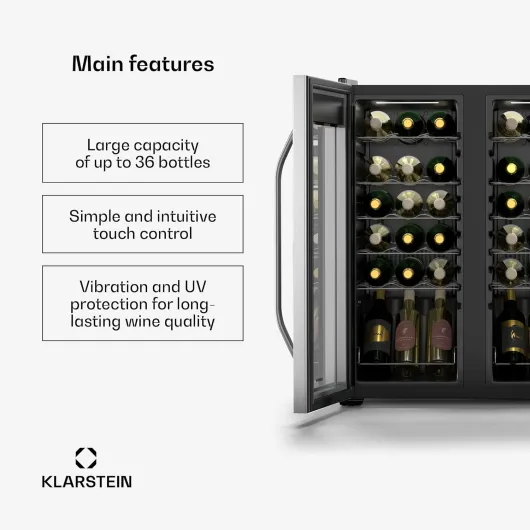
Capacity claims for the best dual zone wine coolers can be misleading if you do not examine shelf layout. Manufacturers often rate a wine refrigerator using standard 750 ml Bordeaux bottles, but many wine enthusiasts collect Burgundy, Champagne, or larger vino bottle formats. When these shapes meet tightly spaced shelves, the practical bottle capacity of the wine fridge or cellar cooler can drop sharply.
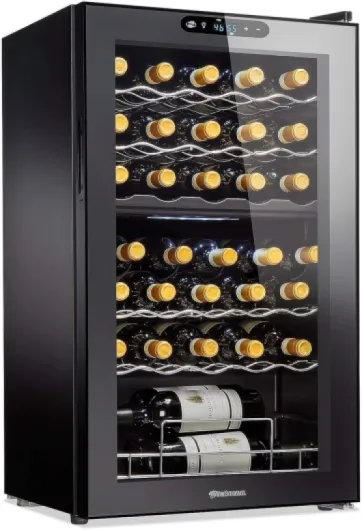
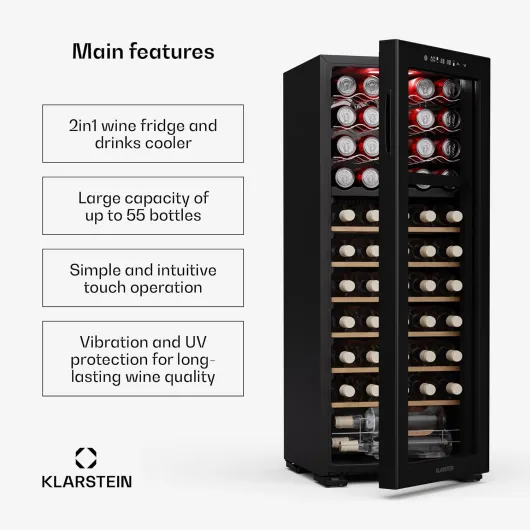
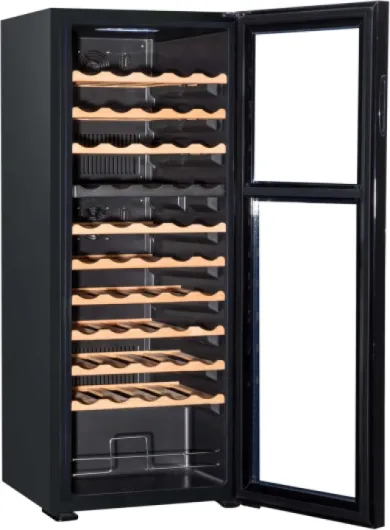
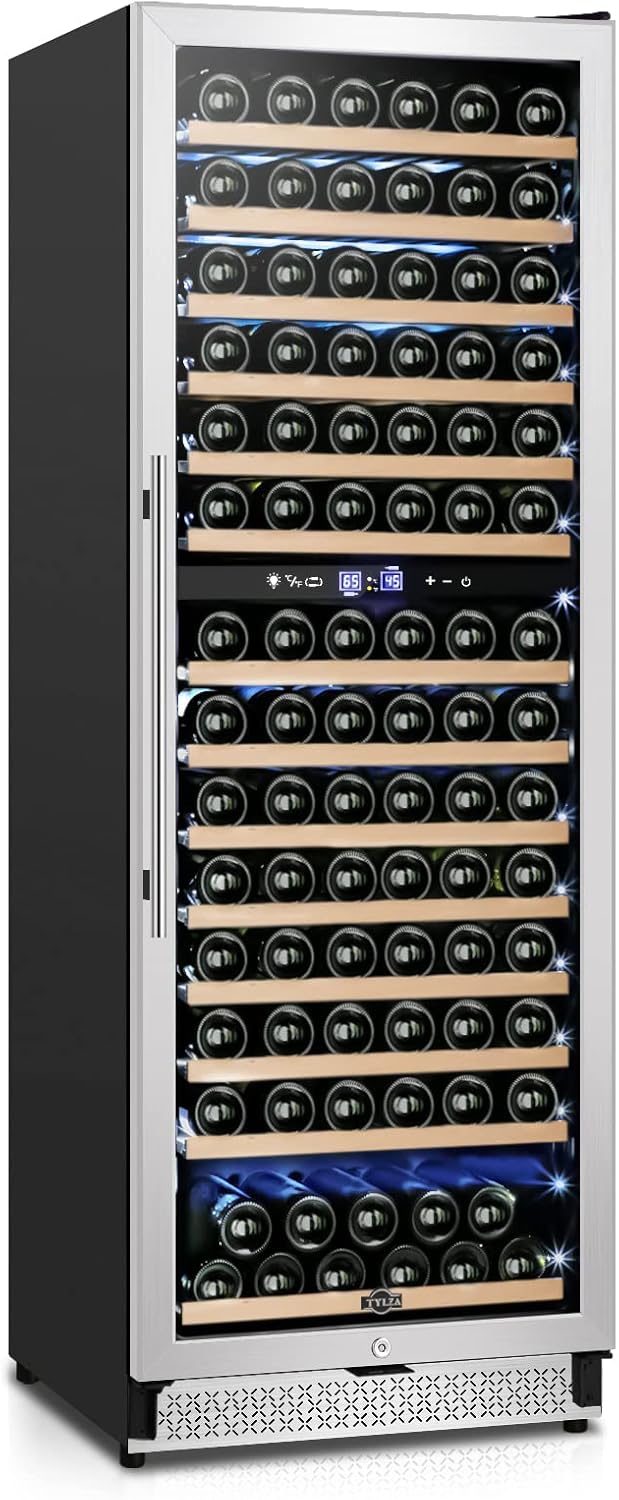
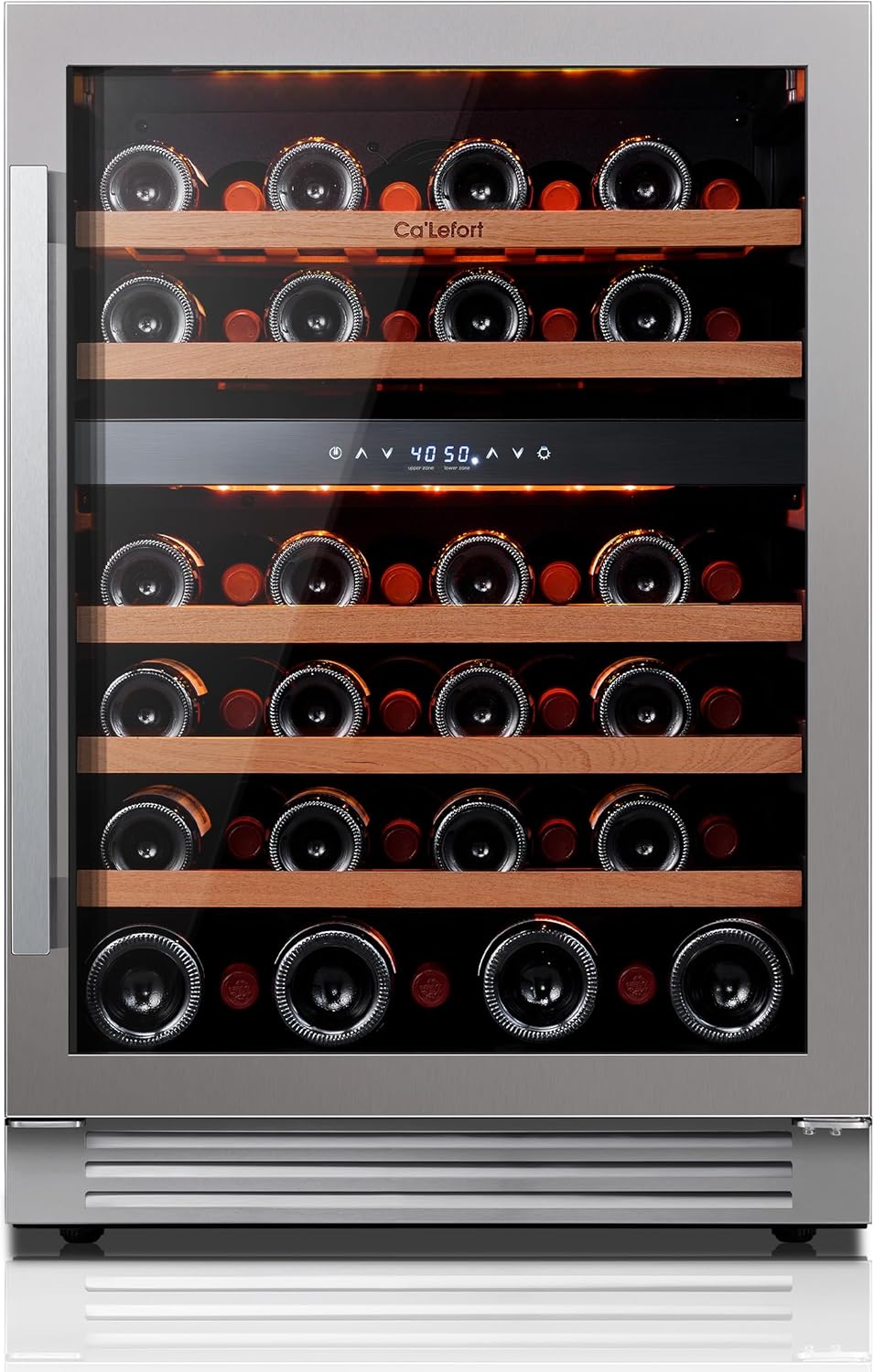
Look for flexible racking systems such as FlexCount style shelves, which support different bottles without wasting space or scratching labels. A dual zone wine cooler with sliding shelves on ball bearing rails allows you to reach the back of each zone without disturbing the entire row of bottles. If you plan to age wine for years, ensure the cooler or refrigerator offers wood or coated metal shelves that cradle bottles securely on every side.
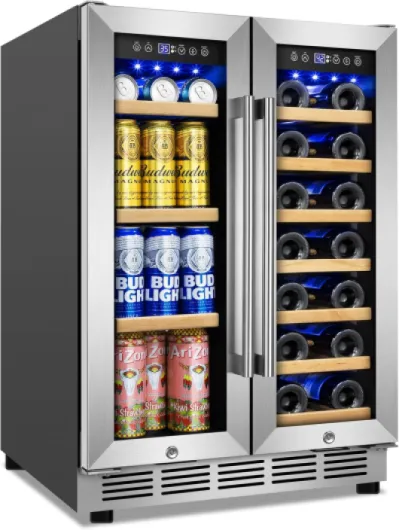
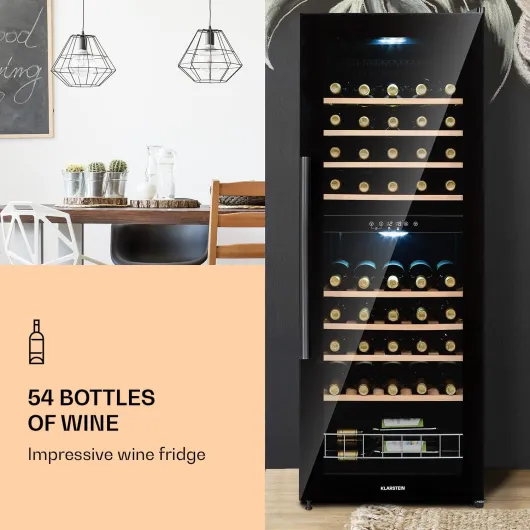
Door swing and hinge wine configuration also affect daily use in a kitchen or dedicated wine cellar. A left hinge wine refrigerator might be essential if cabinetry blocks a right opening door, especially for a built in under counter installation. For collectors who prefer a sleek look, a stainless steel frame with a zone black interior and soft LED lighting can make even a modest bottle dual collection feel like a professional cellar.
To complement storage, accessories matter as well, and resources such as a guide on why every wine lover needs a Burgundy travel opener show how thoughtful tools enhance the experience of opening bottles from any dual zone wine fridge.
Pricing, value, and how to read wine cooler cost information
When comparing the best dual zone wine coolers, pricing language can be confusing, especially online. Retailers may list a regular price, a sale price, and sometimes a unit price or price unit per bottle, which can obscure the real value. A careful wine enthusiast should compare the total cost against capacity, build quality, and expected lifespan of the wine refrigerator or cellar cooler.
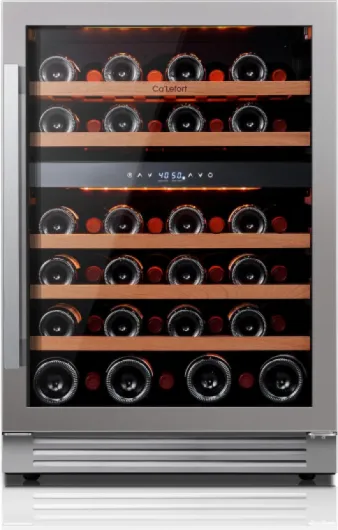
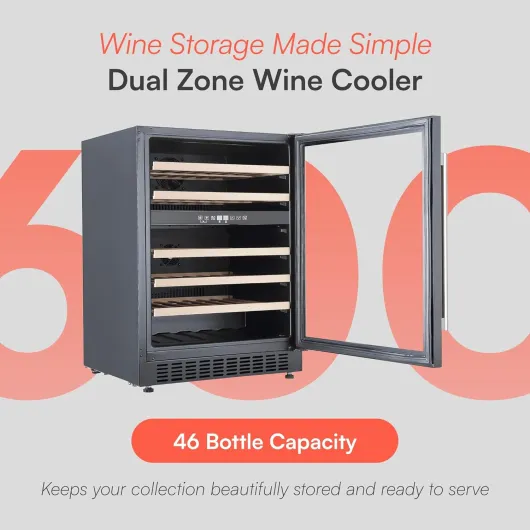
For example, a compact dual zone wine fridge with a lower sale price might seem attractive, but if its capacity is only 18 bottles, the effective unit price per bottle stored could be higher than a larger 46 bottle dual zone wine cooler. Some premium series models with stainless steel finishes and advanced Tru Vino style controls carry a higher price regular figure, yet they may offer quieter operation and better temperature stability. Over time, that stability protects wine value in the cellar, which is a form of credit back to the buyer through preserved quality.
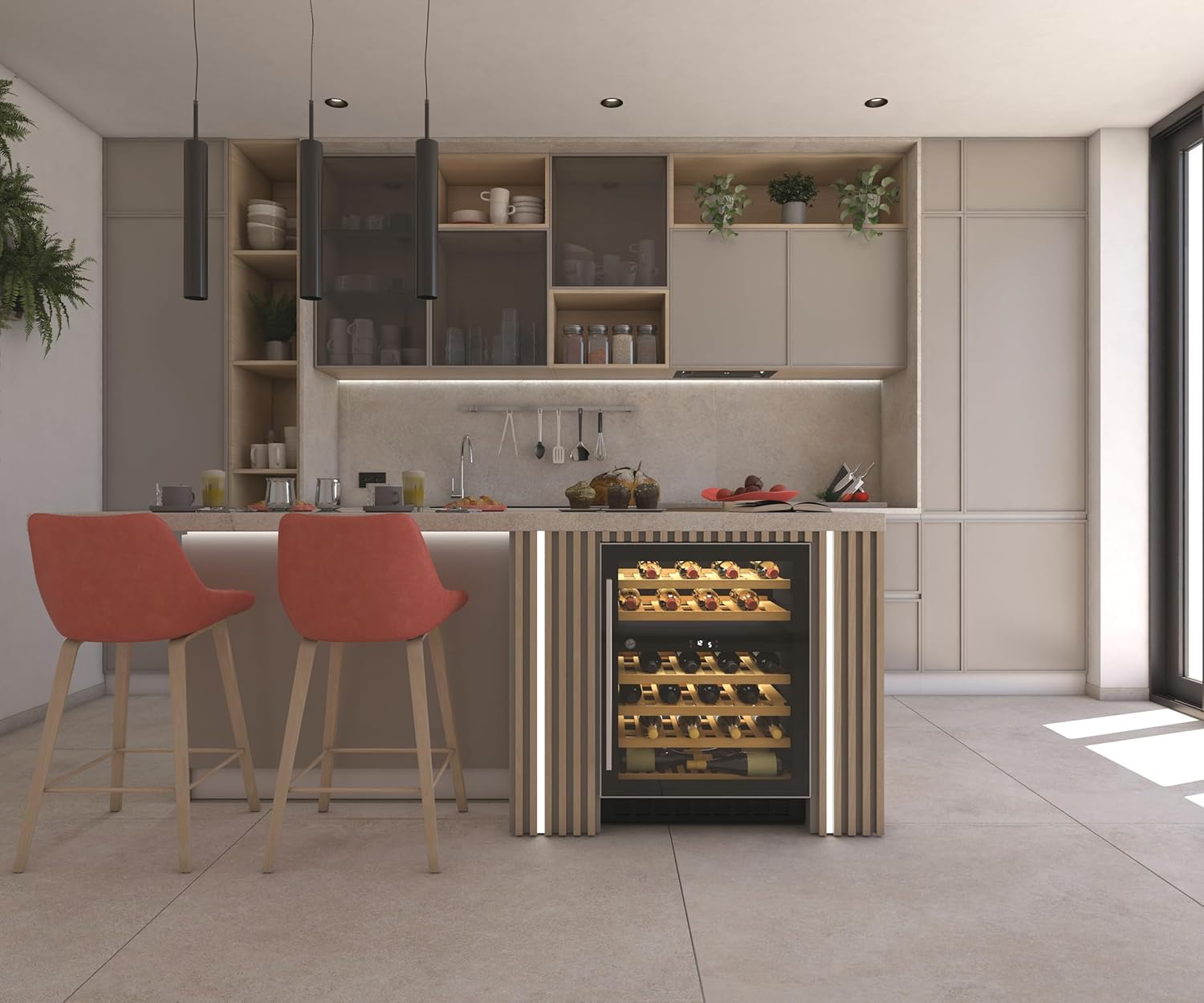
Shoppers should also consider whether a wine cooler is built for freestanding or built in use, because improper installation can shorten the life of the refrigerator. A front vented stainless steel wine fridge designed for cabinetry may justify a higher price unit because it integrates cleanly on either side of kitchen appliances. When reading specifications, confirm the dual zone temperature range, the stated bottle capacity, and whether the manufacturer offers a clear warranty that reflects confidence in the series.
For those evaluating wall mounted storage instead of a full wine refrigerator, a detailed review such as the VintageView W Series Pro wine rack analysis illustrates how alternative cellar solutions can complement a dual zone wine cooler.
Installation, placement, and integration into a home wine cellar
Correct installation is essential for the best dual zone wine coolers to perform as advertised. A dual zone wine refrigerator needs adequate airflow around the cabinet, especially at the front grille for built in models and at the rear for freestanding coolers. Without proper ventilation on each side, the fridge compressor works harder, raising internal temperature and shortening the life of the wine cooler.
Before purchase, measure the intended space carefully, including height, width, and depth, and remember to allow clearance for the hinge wine swing. A left hinge wine fridge may solve layout conflicts beside a wall or another refrigerator, while a reversible hinge offers flexibility if you later redesign the cellar. Pay attention to door thickness and handle projection, because these details determine whether the cooler interferes with nearby cabinetry or a passage side.
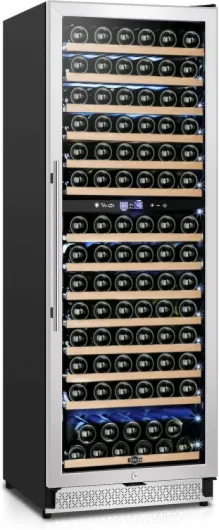
Floor strength and levelness also matter when installing a larger capacity dual zone wine refrigerator. A fully loaded 150 bottles cellar cooler can weigh several hundred kilograms, so the surface must support both the fridge and the wine. Levelling feet help stabilize the unit, reducing vibration that could disturb sediment in older bottles stored in the lower zone.
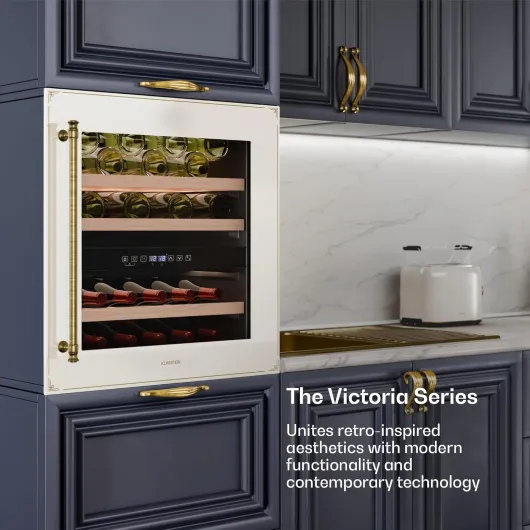
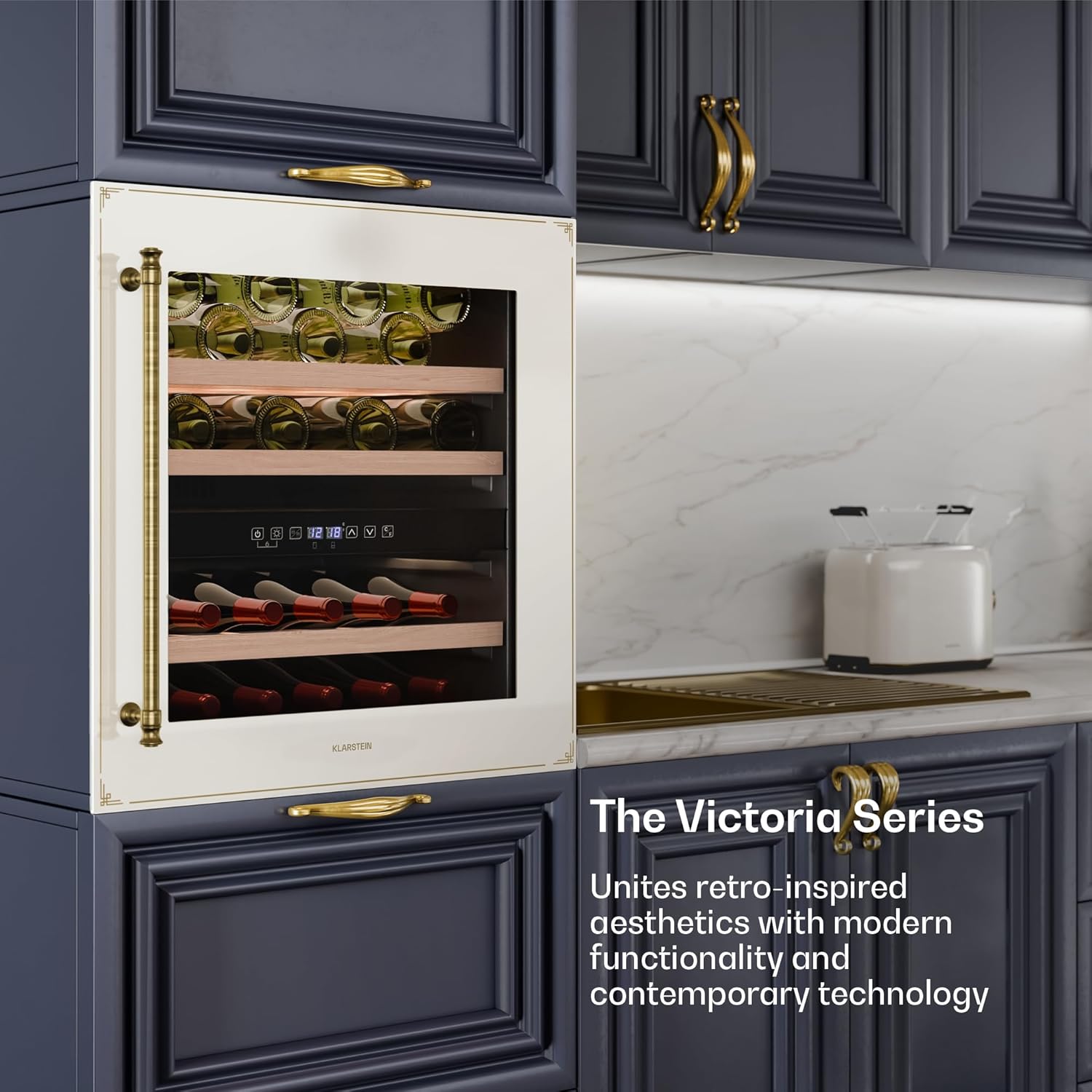
Homeowners integrating multiple wine fridges into a dedicated wine cellar should coordinate finishes, such as matching stainless steel doors or a consistent zone black interior. This creates a cohesive visual series and makes it easier to manage which zone holds everyday drinking wine and which zone protects long term aging bottles. Thoughtful planning ensures that each dual zone wine cooler operates efficiently while enhancing the overall aesthetic of the cellar.
How to match dual zone settings to different wine styles
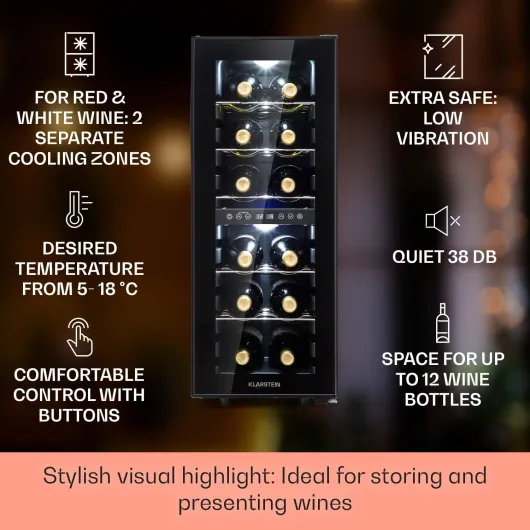
Owning one of the best dual zone wine coolers only pays off if the settings match the wines inside. Most experts recommend keeping the white wine zone of a dual zone wine fridge between about 5 and 10 °C, while the red wine zone stays closer to 12–18 °C. These ranges allow a single wine refrigerator to serve both crisp whites and structured reds at near ideal temperatures without constant adjustment.
Within those ranges, fine tuning depends on grape variety and personal preference, and a stable Tru Vino style control system helps maintain consistency. Light bodied reds can share the cooler lower zone with fuller bodied whites, while powerful reds and fortified wine often sit in the slightly warmer upper zone. Over time, you may dedicate one zone to ready to drink bottles and the other zone to aging wine, effectively turning a compact fridge into a miniature cellar.
Label organization and shelf planning make this strategy easier to manage in everyday use. Group bottles by style and region within each zone, and note the target temperature on a small card inside the wine cooler or on the refrigerator door frame. This simple system ensures that anyone in the household can retrieve the best bottle for the moment without disturbing the rest of the cellar.
Whether you own a single compact bottle dual unit or several large capacity wine fridges in stainless steel, the principles remain the same. Respect the needs of each wine style, use the flexibility of dual zone design wisely, and treat your wine cooler as a long term partner in building a thoughtful collection. Over years of careful use, the right dual zone wine refrigerator protects both financial credit invested in bottles and the sensory pleasure they provide.
Questions people often ask about dual zone wine coolers
How many bottles can a dual zone wine cooler realistically hold ?
Manufacturers usually rate capacity using standard Bordeaux bottles, so real world storage often falls below the stated number. If you collect Champagne, Burgundy, or large format vino bottle sizes, expect the practical capacity of your wine refrigerator to drop by 15–30 %. When comparing the best dual zone wine coolers, always check shelf spacing, FlexCount style design, and whether shelves are adjustable to accommodate varied bottles.
Is a dual zone wine fridge better than a single zone model ?
A dual zone wine fridge offers clear advantages if you store both red and white wine for serving. Each zone can maintain a different temperature, allowing you to keep whites cooler while protecting reds at a slightly warmer setting in the same wine cooler. Single zone wine fridges still work well for collectors who focus on one style or use a separate refrigerator for everyday bottles.
Can I build a freestanding wine cooler into cabinetry ?
Most freestanding wine coolers are not designed for enclosed installation, because they vent heat from the rear and sides. If you place such a fridge inside cabinetry, restricted airflow can overheat the compressor, destabilize temperature, and shorten the life of the wine refrigerator. For a built in look, choose a front vented dual zone wine cooler specifically rated for under counter or cabinet integration.
What temperature should I set for each zone in a dual zone cooler ?
As a general guide, set the white wine zone of your dual zone wine cooler between about 5 and 10 °C, and the red wine zone between roughly 12 and 18 °C. Within those ranges, adjust slightly based on grape variety and whether you prefer crisper or softer textures in the glass. Stable controls, similar to Tru Vino style regulation, help each zone maintain these targets without frequent swings.
Are stainless steel wine fridges worth the higher price ?
Stainless steel wine refrigerators often cost more than basic black cabinet coolers, but they provide a durable, easy to clean surface and a premium appearance. In many of the best dual zone wine coolers, stainless steel doors also pair with better insulation and higher quality hinges, which support long term reliability. If the wine fridge will sit in a visible kitchen or living area, the higher regular price or sale price for a stainless steel series can be justified by both aesthetics and longevity.