
Understanding the appeal of wooden wine racks
Why Wooden Wine Racks Remain a Classic Choice
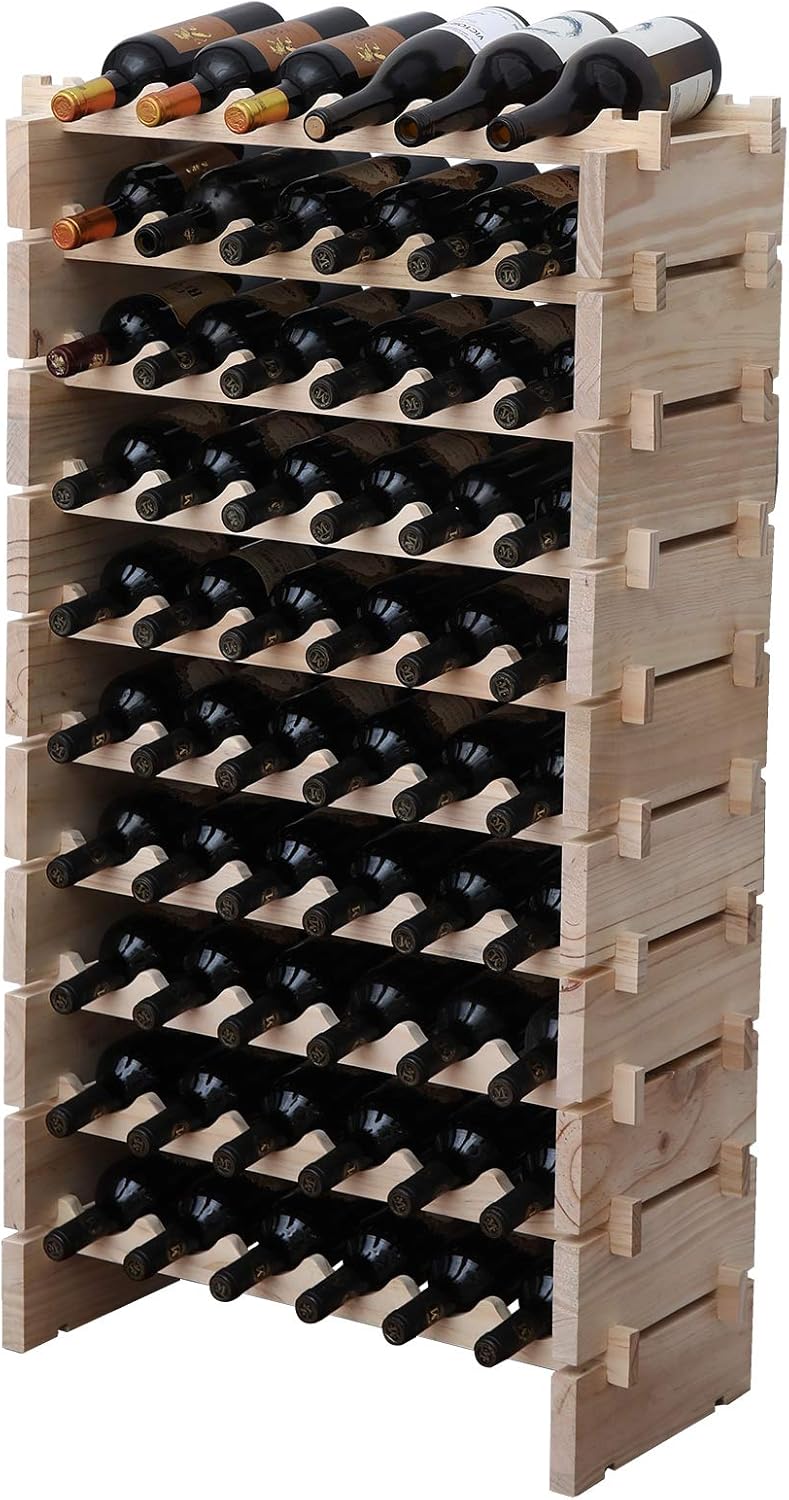
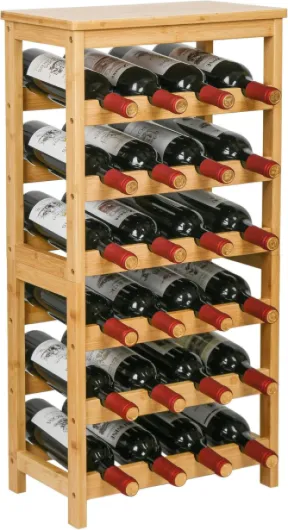
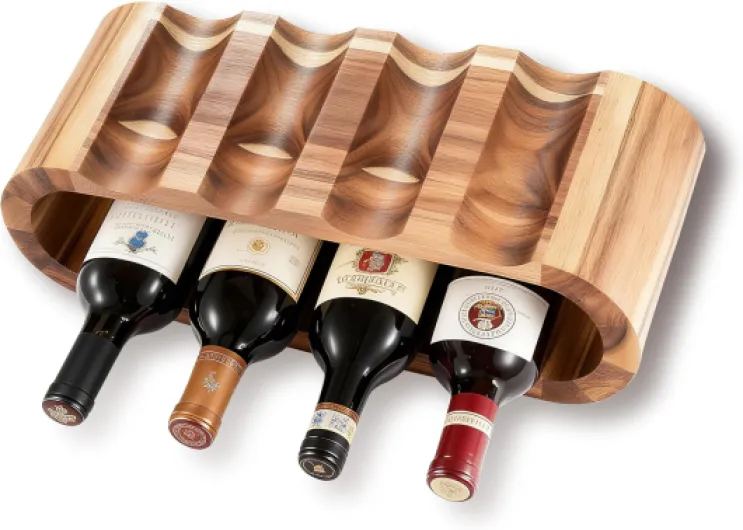
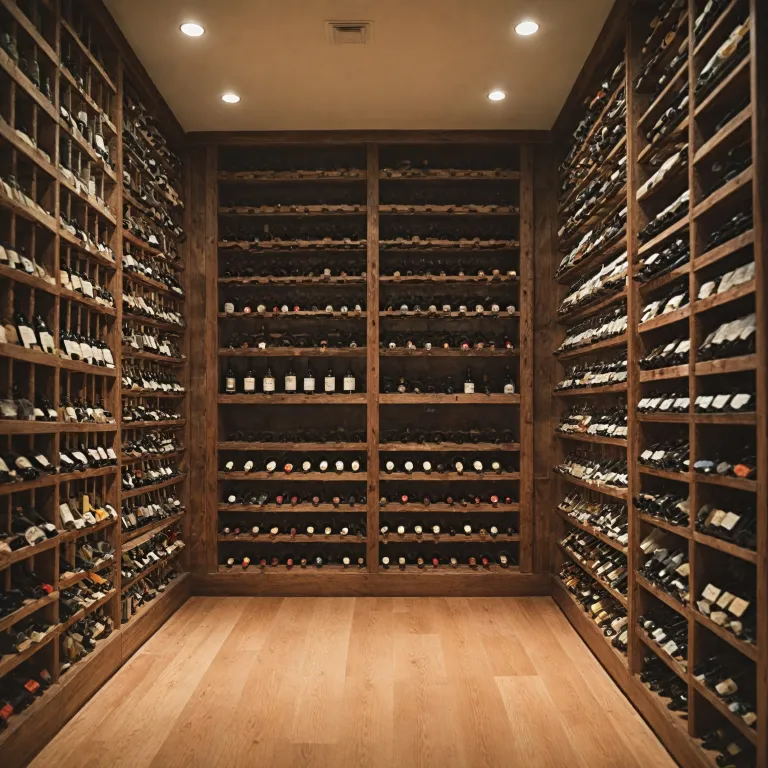
Wooden wine racks have long been a favorite among wine enthusiasts and collectors. The natural appeal of wood brings warmth and elegance to any wine cellar, bar, or kitchen. Whether you are displaying a few bottles on a countertop wine holder or organizing an extensive collection in a dedicated wine cellar, wood wine racks offer both style and practicality.
- Timeless Aesthetic: Wooden racks blend seamlessly with various interior designs, from rustic to modern. The grain and finish of the wood can complement stained cabinets, metal appliances, or even freestanding wine coolers.
- Versatile Storage: With options ranging from compact bottle holders to large modular wine storage systems, you can find a wooden rack that fits your available width and height. Some racks are designed for wall mounting, while others are freestanding or floor-based, making them adaptable to different spaces.
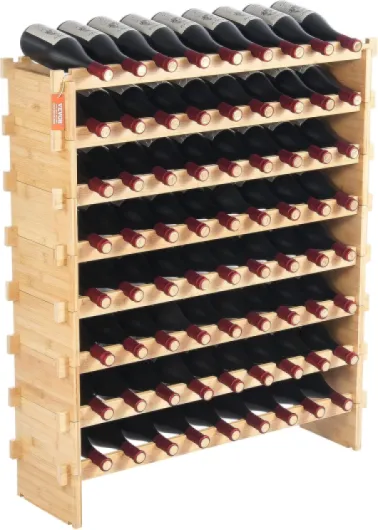
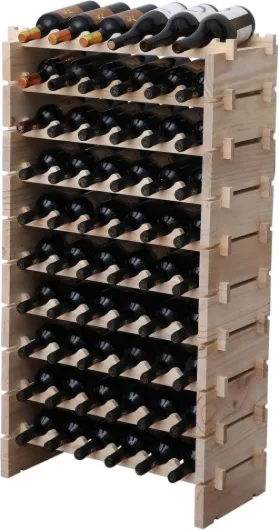
- Customizable Solutions: Many wooden racks can be tailored to your needs, whether you want a specific bottle capacity, a unique shape, or a custom finish. Modular wine racks allow you to expand your storage as your collection grows.
- Durability and Value: Quality wooden wine racks are built to last, offering a reliable product at a reasonable price. Compared to metal wine racks, wood provides a softer surface for bottles, reducing the risk of scratches or damage.
Choosing the right wooden wine rack is about more than just storage. It’s about enhancing your wine experience, protecting your investment, and expressing your personal style. For those interested in elevating their wine presentation, exploring the best wine bottle coaster options can further complement your wooden rack setup.
As you consider the appeal of wooden racks, keep in mind the types of wood, design features, and installation tips that can make a difference in your wine storage solution. Each of these aspects will help you find the perfect rack for your bottles, whether you’re starting a new collection or upgrading your current wine storage.

Types of wood used in wine racks
Popular Woods and Their Unique Qualities
When selecting a wooden wine rack, the type of wood used is a key factor that impacts both the appearance and the durability of the product. Different woods offer distinct characteristics, from color and grain to strength and price. Understanding these differences helps you choose a rack that fits your wine storage needs, complements your cellar or bar, and matches your budget.
- Pine: Pine is a common choice for wine racks due to its affordability and light color. It’s easy to stain, making it suitable for custom finishes. However, pine is softer than other woods, so it may show dents or scratches more easily.
- Mahogany: Known for its rich, reddish-brown hue and resistance to humidity, mahogany is ideal for wine cellars. It’s a premium option, often reflected in the regular price, but offers excellent longevity and a luxurious look.
- Redwood: Redwood stands out for its natural resistance to moisture and insects, making it perfect for wine storage in humid environments. Its unique grain and color variations add character to any wooden wine rack.
- Oak: Oak is prized for its strength and classic appearance. It’s often used in both freestanding and wall-mounted racks. Oak racks can support higher bottle capacity and are available in a range of stains to match your décor.
- Bamboo: As a sustainable option, bamboo is gaining popularity. It’s strong, lightweight, and offers a modern look for countertop wine holders or modular wine racks.
How Wood Choice Affects Function and Style
The wood you select for your wine rack not only determines its look but also its function. Hardwoods like mahogany and oak are better for heavy-duty storage, especially if you plan to store many bottles or use the rack on the floor. Softer woods like pine are suitable for smaller, decorative racks or bottle holders. Modular wine racks often use a mix of woods to balance price and durability, while custom racks may feature exotic woods for a unique touch.
Consider the width and height of your rack, as well as the intended bottle capacity. Some woods are better suited for large-scale wine cellars, while others are perfect for a small bar or countertop wine storage. If you’re interested in exploring accessories that complement your wooden wine rack, such as wine coasters, you can find helpful guidance in this guide to choosing the right wine coaster.
Comparing Wood to Metal Racks
While wood offers warmth and traditional appeal, metal wine racks provide a sleek, modern alternative. Metal racks are often used for wall-mounted or modular designs and can be easier to assemble. However, wooden racks remain a favorite for those seeking a classic look and the ability to customize stains or finishes to match their wine cellar or bar.
Design considerations for wooden wine racks
Finding the Perfect Fit for Your Space and Collection
When selecting a wooden wine rack, design is more than just aesthetics. The right rack should fit your available space, accommodate your bottle collection, and complement your wine storage needs. Whether you’re outfitting a home bar, a dedicated wine cellar, or simply looking for a freestanding wine rack for your kitchen floor, design considerations play a crucial role in both functionality and style.
- Size and Capacity: Assess the width, height, and depth of your available space. Modular wine racks offer flexibility, allowing you to expand as your bottle collection grows. Always check the bottle capacity to ensure the rack meets your storage needs.
- Rack Placement: Decide if you need a wall-mounted, countertop wine holder, or a freestanding wooden rack. Wall racks save floor space, while freestanding options can serve as a statement piece in your living area or wine cellar.
- Assembly and Installation: Some wooden racks require assembly, while others arrive ready to use. Modular and custom racks often need more setup but offer tailored solutions for unique spaces. Consider the assembly process and whether you’ll need professional help for installation, especially for larger or wall-mounted racks.
- Design Style: Wooden wine racks come in various finishes, from natural wood to stained or painted options. Choose a style that matches your existing décor, whether you prefer a rustic, modern, or classic look. The finish can also impact the rack’s durability and how it ages over time.
- Material Mix: Some racks combine wood with metal for added strength and a contemporary touch. Metal wine accents can enhance stability, especially for larger bottle capacities or custom designs.
For those interested in alternative storage solutions, exploring the benefits of cardboard wine boxes can offer insights into flexible and eco-friendly wine storage options.
| Rack Type | Best For | Typical Bottle Capacity | Assembly |
|---|---|---|---|
| Freestanding Wooden | Floor, large collections, statement pieces | 12–100+ bottles | May require assembly |
| Wall-Mounted | Small spaces, display, easy access | 6–24 bottles | Wall installation needed |
| Countertop Wine Holder | Kitchen, bar, limited space | 4–12 bottles | Usually pre-assembled |
| Modular Wine Rack | Growing collections, custom layouts | Flexible | Assembly required |
Balancing design with practicality ensures your wooden wine rack not only looks great but also protects and organizes your bottles wine collection efficiently.
Installation tips for wooden wine racks
Getting Your Wooden Wine Rack Set Up Right
Proper assembly and installation are crucial for maximizing the lifespan and functionality of your wooden wine rack. Whether you’re working with a freestanding wine rack, a wall-mounted model, or a modular wine storage system, careful setup ensures your bottles are safe and your collection is displayed beautifully.
- Check the bottle capacity: Before you start, confirm the rack’s bottle capacity matches your needs. Overloading a rack bottle holder can compromise stability and damage both the wood and your wine bottles.
- Choose the right location: Place your wine rack away from direct sunlight, heat sources, and areas with high humidity. This protects both the wood and the wine, especially if you’re integrating the rack into a wine cellar or bar area.
- Level the floor or wall: For freestanding wine racks, ensure the floor is even to prevent wobbling. For wall-mounted racks, use a level and secure anchors to support the weight of full bottles. Modular wine racks may require extra attention to alignment, especially if you plan to expand your storage later.
- Assembly tips: Follow the manufacturer’s instructions closely. Many wooden racks use dowels, screws, or metal fasteners. Avoid overtightening, which can crack stained or custom wood pieces. If your product is unfinished, consider sealing or staining the wood before assembly for added protection.
- Measure twice: Double-check the width, height, and depth of your space and the rack itself. This is especially important for countertop wine racks or when fitting a rack into a specific cellar or bar area.
Some racks come fully assembled, but most require some DIY work. If you’re not comfortable with tools, consider hiring a professional, especially for large or wall-mounted wine storage systems. Investing time in proper assembly and installation helps preserve both your bottles and your wooden wine rack for years to come.
Maintaining and caring for your wooden wine rack
Keeping Your Wooden Wine Rack in Top Condition
Proper care is essential to ensure your wooden wine rack remains both functional and attractive for years. Unlike metal racks, wood requires a bit more attention to maintain its finish and structural integrity, especially if your rack is freestanding or placed on the floor of your wine cellar or bar area.
- Dust Regularly: Use a soft, dry cloth to remove dust from your rack. This helps preserve the stained or natural finish of the wood and keeps your wine storage area looking clean.
- Avoid Excess Moisture: Wood can warp or stain if exposed to high humidity or spills. Wipe up any liquid immediately and keep your rack away from direct sources of moisture, especially if you have a modular wine rack near a cooler or in a damp cellar.
- Check for Stability: Over time, racks—especially modular or custom designs—may loosen. Periodically check the assembly and tighten any screws or fittings to ensure your bottles are secure. This is particularly important for wall-mounted or countertop wine racks, where stability is key.
- Protect from Sunlight: Direct sunlight can fade stained wood and affect the temperature of your wine bottles. Place your rack in a shaded spot or use window coverings if your wine storage is near natural light.
- Inspect for Pests: Wooden racks can attract pests in certain environments. Regularly inspect your rack and surrounding area, especially in cellars, to prevent any issues that could compromise your wine bottle collection.
Preserving the Value of Your Wine Storage Investment
Maintaining your rack not only protects the wood but also helps retain the value of your wine storage product. Whether you have a custom wooden rack or a modular wine holder, proper care ensures your bottles wine are stored safely and your investment in both rack and wine is protected. Regular maintenance also supports the longevity of your rack bottle capacity, so you can enjoy your collection for years to come.
Matching your wine rack to your wine cooler
Finding Harmony Between Your Wine Rack and Wine Cooler
When building a wine collection, it’s important to consider how your wooden wine rack will work alongside your wine cooler. Both play a key role in wine storage, but their functions and aesthetics should complement each other for the best results.
- Size and Bottle Capacity: Make sure your rack’s bottle capacity matches your wine cooler’s. If your wine cooler holds 24 bottles, a rack with similar or slightly larger capacity helps keep your collection organized and accessible. Modular wine racks can be expanded as your collection grows.
- Design and Placement: Freestanding racks, countertop wine holders, or wall-mounted racks can be positioned near your wine cooler for convenience. Consider the width and height of both products to ensure they fit together in your cellar, bar, or kitchen. A floor rack bottle holder can be a stylish addition next to a freestanding wine cooler.
- Material Coordination: Wooden wine racks bring warmth and a classic look, while many wine coolers feature metal finishes. Pairing stained wood racks with stainless steel or black metal wine coolers can create a modern contrast. For a more unified look, choose a wood wine rack that matches the cooler’s trim or shelving.
- Storage Needs: Decide which bottles need precise temperature control and which can be displayed on your rack. Reserve the wine cooler for bottles wine that require aging or special care, and use the rack for everyday selections or decorative bottles.
- Custom and Modular Options: Custom wooden racks or modular wine racks offer flexibility in design and assembly, letting you adapt your storage as your collection changes. This is especially useful if you have a growing cellar or want to display a variety of bottle sizes.
- Budget and Price: Consider the regular price of both your wine rack and cooler. Investing in quality wood or metal racks can enhance the value and longevity of your wine storage setup.
By thoughtfully matching your wooden wine rack to your wine cooler, you create a cohesive and functional wine storage area that protects your bottles and showcases your collection. Whether you prefer a freestanding wooden rack, a countertop wine holder, or a modular system, the right combination will elevate your wine experience.