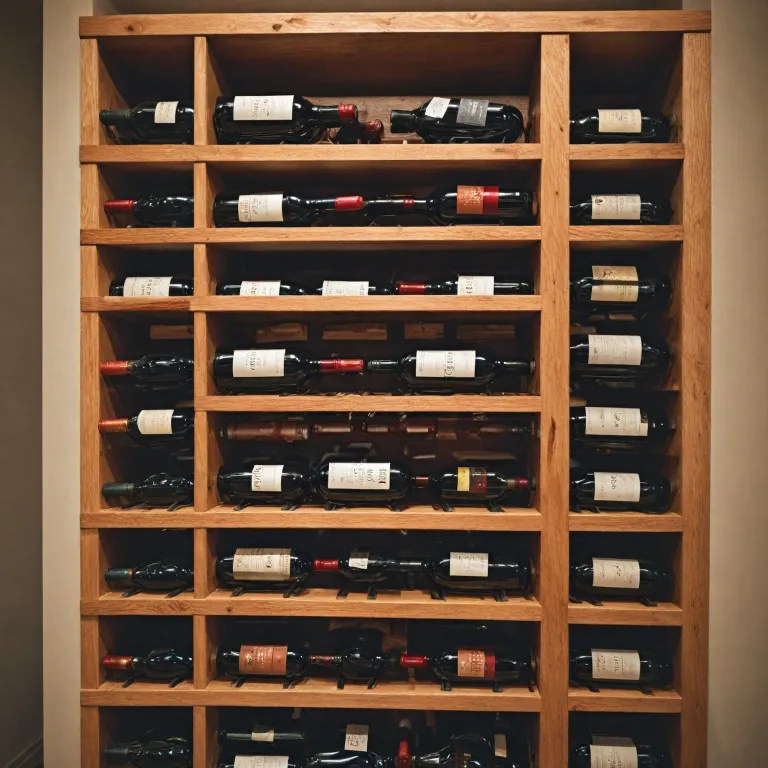
Understanding the purpose of a wine display rack
Why a Thoughtful Wine Display Matters
Choosing the right wine display rack is more than just finding a spot to store your bottles. A well-designed rack not only keeps your wine organized, but also enhances the visual appeal of your collection, whether it’s in a home cellar, a retail wine store, or a commercial bar. The display rack becomes a focal point, showcasing your wine bottles and reflecting your personal style or the atmosphere of your business.
Wine racks come in many forms, from freestanding wine racks to wall-mounted designs, and even custom wine displays for unique spaces. The purpose of a display rack goes beyond simple storage. It helps protect your bottles, keeps them at the right angle, and makes it easy to access and organize your collection. For retail environments, the right rack can boost product visibility and encourage sales by making bottles easy to browse.
- Home cellars: A display rack helps you see your collection at a glance and makes bottle storage efficient.
- Retail and commercial spaces: Island displays, metal wine racks, and wood racks can turn your wine selection into a centerpiece, drawing in customers and making the most of your available floor space.
- Bars and restaurants: A well-placed wine rack can streamline service and add to the ambiance.
When considering a wine display, think about how it will fit with your existing wine storage, the design of your space, and your goals for displaying wine bottles. If you’re looking for more guidance on matching a wine rack to your collection and space, check out this resource on choosing the right wine stand holder for your collection.
Key features to look for in a wine display rack
Essential Qualities for Effective Wine Display Racks
When selecting a wine display rack, it’s important to focus on features that will not only showcase your wine bottles but also protect and organize them. The right rack can elevate the look of your wine cellar, retail wine store, or home bar, while ensuring your collection is stored safely and accessibly.
- Capacity and Bottle Storage: Consider how many wine bottles you want to display. Some racks are designed for small collections, while commercial wine racks or island displays can hold dozens or even hundreds of bottles. Freestanding wine racks offer flexibility if your storage needs change.
- Design and Aesthetics: The design should complement your space, whether it’s a modern metal wine rack for a contemporary bar or a classic wood rack for a traditional wine cellar. Custom wine racks allow for unique configurations, making them ideal for both home and retail environments.
- Ease of Assembly: Look for racks that are easy to assemble, especially if you’re outfitting a liquor store or commercial wine display. Products that come with clear instructions and minimal tools required can save time and frustration.
- Accessibility and Organization: A good display rack should make it easy to view and access each bottle. Features like angled shelves or tiered designs help you organize your wine collection efficiently, whether in a retail wine store or a home wine cellar.
- Stability and Safety: Ensure the rack is sturdy enough to support the weight of full bottles. Freestanding and island display racks should have a stable base, while wall-mounted options must be securely anchored.
- Versatility: Some racks are designed for specific bottle shapes or sizes, while others offer adjustable shelves for greater flexibility. This is especially useful for commercial wine storage or for collectors with a diverse range of wine bottles.
- Price and Value: Compare the price of different racks and consider what features are most important for your needs. Investing in a quality product can enhance the longevity and appearance of your wine storage solution.
For more ideas on optimizing your wine storage and display, check out this guide on choosing the best wall hanging wine rack for your space. This resource covers additional tips for maximizing both style and functionality in your wine display.
Choosing the right material for your wine display rack
Comparing Materials for Wine Display Racks
When selecting a wine display rack, the material you choose will impact both the appearance and functionality of your storage solution. The right material not only supports your wine bottles securely but also complements your cellar, retail store, or bar design. Here’s a breakdown of the most common materials used in wine racks and what to consider for each:
- Wood: Classic and versatile, wood racks are popular for both home cellars and commercial wine displays. They offer a warm, timeless look and can be customized to fit unique spaces. Woods like pine, mahogany, and oak are durable and provide reliable bottle storage. However, wood may require more maintenance in humid environments and can be heavier to move if you need a freestanding wine rack.
- Metal: Metal wine racks are favored for their modern design and strength. They’re ideal for retail wine displays, liquor stores, and contemporary wine cellars. Metal racks are generally easy to assemble, lightweight, and resistant to moisture, making them suitable for both commercial and home use. Look for powder-coated finishes to prevent rust and ensure longevity.
- Mixed Materials: Some display racks combine wood and metal, offering the best of both worlds. These racks can be custom-designed to match your product display needs, whether you’re creating an island display in a retail setting or a statement piece for your home bar.
Consider your available space, the number of wine bottles you plan to store, and the overall design of your wine cellar or store. Freestanding racks are great for flexibility, while wall-mounted options save floor space. For commercial wine storage, durability and easy cleaning are key factors.
For those interested in optimizing wine bottle preservation and presentation, exploring how wine pumps enhance your wine experience can add another layer of value to your wine display strategy.
| Material | Best For | Pros | Cons |
|---|---|---|---|
| Wood | Home cellars, classic retail displays | Customizable, elegant, sturdy | Heavier, may need more care |
| Metal | Modern bars, commercial wine racks | Lightweight, durable, easy to clean | Can look industrial, less warmth |
| Mixed | Custom wine displays, unique designs | Flexible design, combines strengths | May be higher in price |
Ultimately, the material you choose should align with your wine storage goals, whether you’re displaying a few bottles at home or managing a commercial wine cellar. Always consider ease of assembly, bottle security, and how the rack’s design fits into your overall space.
Optimal placement for your wine display rack
Finding the Best Spot for Your Wine Display
Where you place your wine display rack can make a big difference in both the look of your collection and the quality of your wine. Whether you’re outfitting a retail wine store, a commercial bar, or a home wine cellar, placement impacts bottle storage, accessibility, and even the aging process.
- Temperature and Light: Wine bottles are sensitive to temperature changes and direct sunlight. Avoid placing racks near windows, heating vents, or in areas with frequent temperature fluctuations. For wine cellars or commercial wine storage, aim for a cool, stable environment.
- Accessibility: Think about how often you’ll need to access your bottles. Freestanding wine racks or island display racks work well in retail or liquor store settings, allowing customers to browse easily. In a home, consider placing your rack in a dining room, bar area, or cellar for convenience.
- Space Utilization: The design of your rack—whether it’s wall-mounted, freestanding, or custom wine storage—should fit the available space. For smaller areas, metal wine racks or easy assemble options can maximize storage without crowding the room. Larger spaces can accommodate wood racks or commercial wine displays for a more dramatic effect.
- Showcasing Your Collection: If you want your wine bottles to be a focal point, position your display rack where it’s visible to guests, such as behind a bar or as an island display in a retail environment. For collectors, integrating racks wine into a dedicated wine cellar can enhance both storage and presentation.
Consider the price and product design when choosing the right spot. Some racks are designed for commercial use and can handle higher bottle capacity, while others are perfect for smaller, curated collections. Always ensure your chosen location supports the weight and size of your rack and wine bottles.
Organizing your wine collection on the rack
Arranging Your Wine Bottles for Best Display and Access
Once you have selected the right wine display rack for your collection, organizing your bottles becomes essential for both visual appeal and practical access. Whether you are outfitting a home wine cellar, a retail wine store, or a commercial bar, the way you arrange your wine bottles can impact both the look and the functionality of your storage.
- Group by Type or Region: For easy selection, consider grouping bottles by wine type (red, white, sparkling) or by region. This method works well for both personal collections and retail displays, helping you or your customers quickly find the desired bottle.
- Label Visibility: Position bottles so that labels are clearly visible. This is especially important for display racks in commercial wine cellars or liquor stores, where quick identification can enhance the shopping experience.
- Rotation for Aging: If you store wines for aging, rotate bottles so older vintages are at the front. This helps ensure you enjoy wines at their peak and manage your inventory efficiently.
- Utilize Rack Design: Take advantage of your rack’s design features. Freestanding wine racks, island displays, and wall-mounted racks each offer unique ways to showcase your collection. For example, metal wine racks often allow for creative arrangements, while wood racks provide a classic look for bottle storage.
- Consider Accessibility: Place frequently used bottles within easy reach, especially in a bar or commercial wine setting. Reserve higher or lower shelves for less commonly accessed wines.
For larger collections or retail wine environments, a systematic approach to organizing your wine bottles can also help with inventory management and product rotation. Custom wine racks and modular designs make it easy to expand your storage as your collection grows. Always ensure that bottles are securely placed on the rack to prevent accidents, and avoid overcrowding to maintain both safety and the visual appeal of your wine display.
| Rack Type | Best For | Organization Tip |
|---|---|---|
| Freestanding wine racks | Home cellars, retail stores | Group by wine type for easy access |
| Island display racks | Commercial wine, liquor stores | Highlight featured bottles at eye level |
| Metal wine racks | Modern cellars, bars | Use for creative bottle arrangements |
| Wood racks | Traditional wine cellars | Arrange by vintage for aging |
By thoughtfully organizing your wine bottles, you not only enhance the visual impact of your wine display but also make bottle selection and inventory management much easier. This approach works whether you have a small home rack or a large commercial wine storage system.
Maintenance and care for your wine display rack
Keeping your wine display rack in top condition
Proper maintenance is essential for ensuring your wine display rack remains both functional and visually appealing. Whether you have a freestanding wine rack, a commercial wine display, or a custom wine storage solution, regular care helps protect your investment and keeps your wine bottles safe.
- Regular cleaning: Dust and debris can accumulate on racks, especially in retail wine environments or busy wine cellars. Use a soft, dry cloth for wood racks, and a damp cloth for metal wine racks. Avoid harsh chemicals that could damage the finish or affect your wine bottles.
- Inspect for stability: Over time, racks—especially easy assemble or island display units—may loosen. Check screws and joints periodically to ensure your rack remains stable, particularly if it’s a freestanding or commercial wine rack in a liquor store or bar.
- Monitor humidity and temperature: Wine storage conditions are crucial. Excess moisture can damage wood racks, while dry air may cause cracking. Metal racks should be checked for signs of rust, especially in a wine cellar or retail store with fluctuating conditions.
- Organize for airflow: When arranging bottles, ensure there’s enough space for air to circulate. Overcrowding can lead to trapped moisture and potential mold, especially in racks wine displays or commercial wine cellars.
- Protect from direct sunlight: Position your display rack away from direct sunlight to prevent fading and heat damage to both the rack and your wine bottles. This is especially important for island displays and window-facing retail wine racks.
- Check for pests: In both home and commercial settings, inspect your wine storage area for signs of pests that could damage wood or labels on your wine bottles.
By following these simple steps, you can ensure your wine display rack—whether metal, wood, or custom design—remains a reliable and attractive centerpiece for your wine collection. Proper care not only extends the life of your product but also enhances the overall presentation and safety of your bottle storage.
