Built in versus freestanding wine fridges with flexible layouts
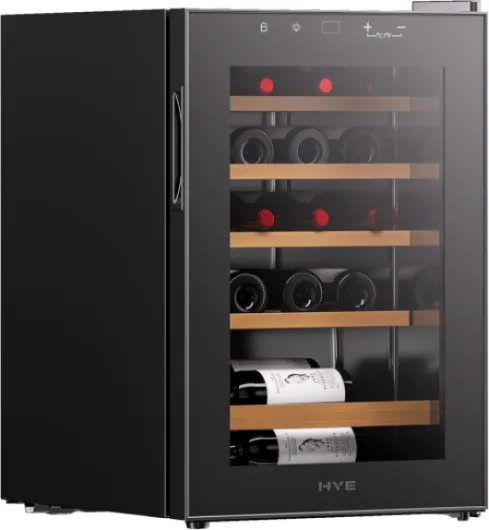
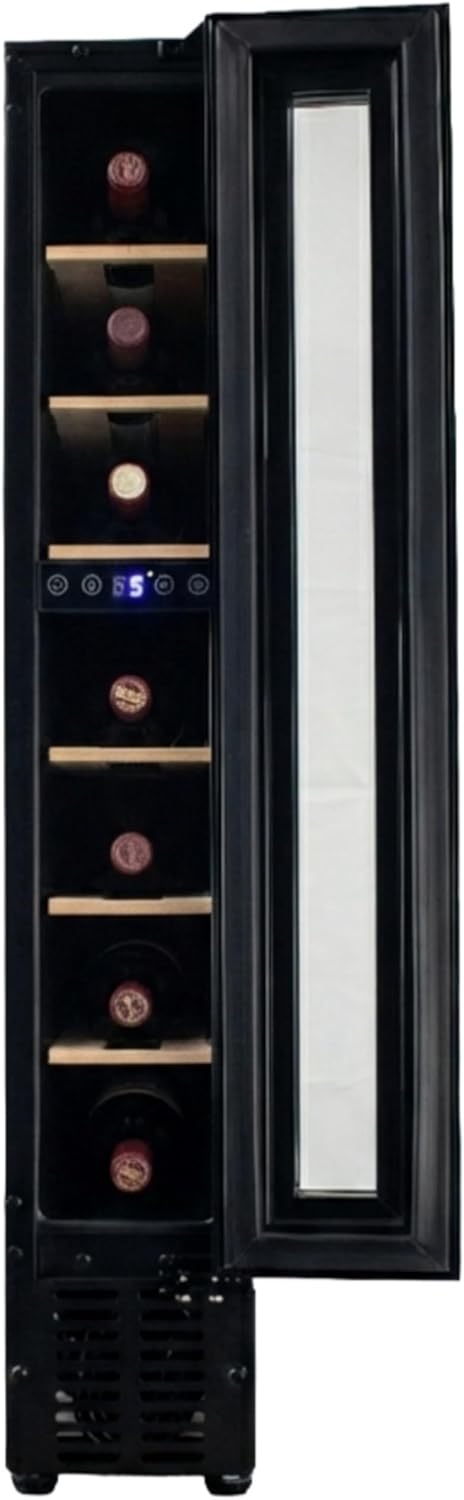
Choosing between built in and freestanding wine fridges starts with your available space and ventilation options. A built in, freestanding compatible model can slide under a worktop with front ventilation, while a pure freestanding wine fridge needs air circulation around the sides and back. In both cases, the best wine coolers with adjustable shelves let you reconfigure bottle storage as your buying habits evolve.
Integrated designs with a glass door often sit in premium kitchens, where a quiet compressor wine system and clean lines matter as much as capacity. If you are planning a fitted kitchen, study specialist guides to top integrated wine coolers and check how many shelves can be repositioned without tools. A flexible shelf system allows you to keep everyday bottle formats on classic dual height rails, while reserving a lower zone wine area for larger bottles or wooden cases.
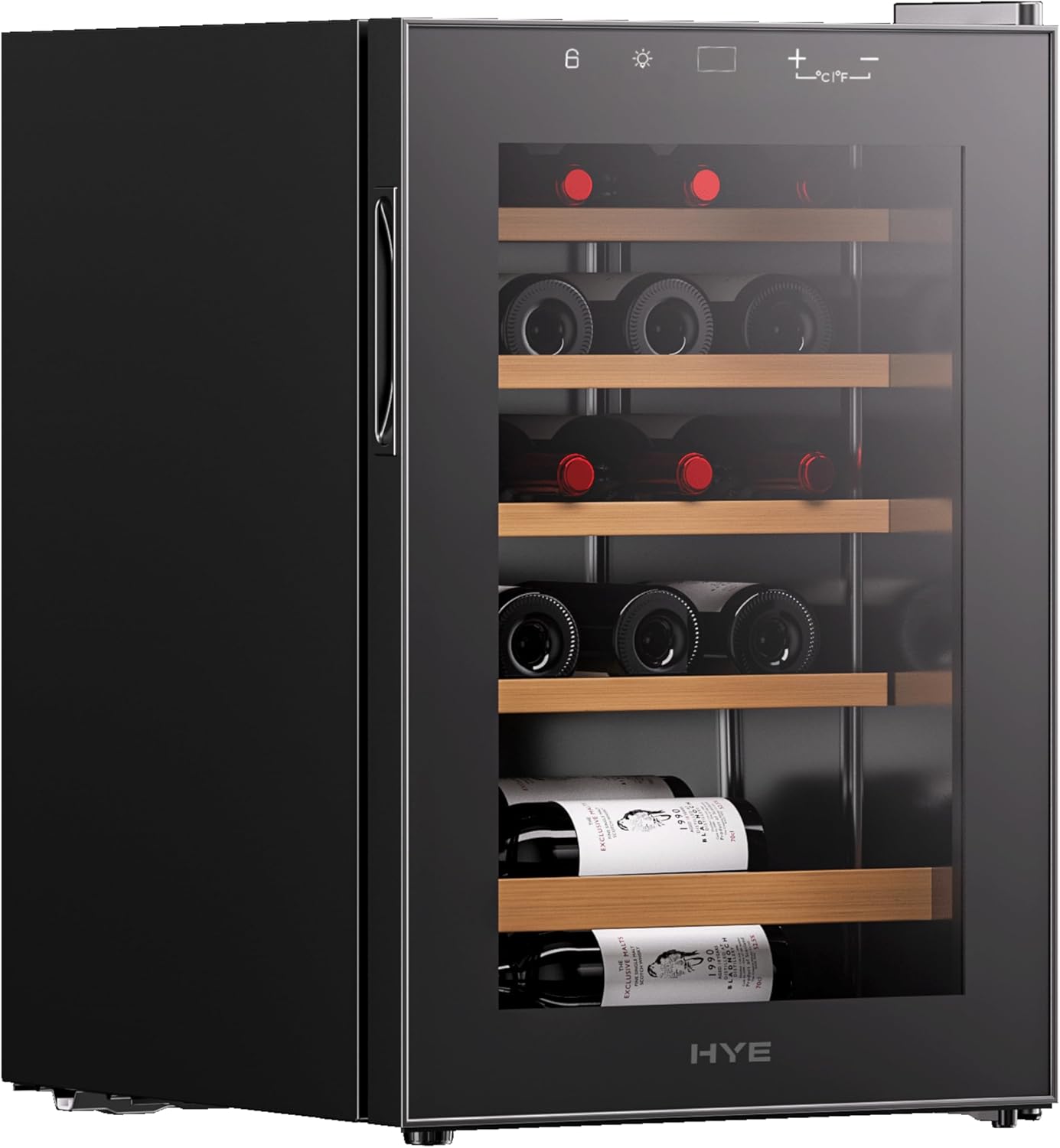
Freestanding wine coolers suit renters and enthusiasts who may move home or redesign rooms. In these fridges, adjustable shelves and a clear digital temperature display make it easy to turn a single zone cabinet into a red wine hub or a dual zone wine fridge into a mixed wine cellar. Whether you choose a compact cooler refrigerator for 18 bottles or a tall unit with a capacity above 150 bottles, insist on shelves that can shift, remove, and lock firmly in place. When comparing models, look for manufacturer data on minimum shelf spacing and maximum bottle diameter so you can judge whether your preferred Champagne or Burgundy bottles will fit without forcing the rails.
Single zone versus dual zone layouts for mixed collections
Every wine cooler buyer eventually faces the choice between a single zone and a dual zone cabinet. A single zone wine fridge keeps all bottles at one temperature, which suits long term storage in a home wine cellar or for enthusiasts who mainly drink red wine. Dual zone models divide the interior into two temperature zones, letting you chill white wine and sparkling wine while holding reds slightly warmer.
In both single and dual configurations, adjustable shelves are the quiet heroes that make the capacity figures realistic. Without flexible shelves, a dual zone wine cooler may struggle to fit taller bottles in the upper zone wine area, forcing you to lay them awkwardly and risk vibration or label damage. When shelves can be moved, you can dedicate one part of the cooler refrigerator to everyday drinking bottles and another to ageing bottles, while keeping digital temperature settings precise in each zone.
When you read online reviews of the best wine coolers with adjustable shelves, pay attention to how owners describe the interior layout rather than only the compressor wine noise or lighting. Look for comments about how many shelves must be removed to fit Champagne, and whether the glass door clears the front of the shelves when fully loaded. Before trusting any rating, learn to spot a wine cooler review written without opening the box, because only hands on users can judge how well the shelves handle real bottle shapes.
Premium brands like EuroCave and their approach to shelves
Among serious collectors, the name EuroCave carries particular weight in the wine cellar world. A EuroCave wine fridge is engineered as a long term storage tool, with sliding shelves designed to cradle bottles securely while preserving label visibility. The EuroCave Premiere range, often called the eurocave premiere line, shows how adjustable shelves can combine with precise digital temperature control to mimic natural cellar conditions.
In these cabinets, each shelf can usually be repositioned or swapped between storage and display formats, which helps a wine enthusiast organise mixed cases efficiently. The eurocave premiere models often include enthusiast classic style shelves that glide smoothly even when fully loaded, reducing vibration and protecting cork integrity. This attention to shelf engineering means the stated bottle capacity remains realistic, even when you mix Bordeaux, Burgundy, and Champagne bottle shapes in the same zone wine area. For example, a typical EuroCave Premiere unit with 188 bottle nominal capacity can still accommodate a high proportion of that figure when you introduce wider formats, because the rails are spaced to accept bottles up to roughly 9 cm in diameter without forcing them.
While EuroCave sits at the premium end, the design principles apply to more accessible wine coolers as well. Look for brands that offer classic dual purpose shelves, combining flat storage with gentle contours, and that back their products with responsive customer service for replacement rails or clips. When a manufacturer treats shelves as a core part of the wine cooler rather than an afterthought, you gain a more reliable, cellar like environment for both single bottles and full cases. Competitor models from brands such as Liebherr, Climadiff, and Dunavox often publish internal dimensions and shelf load ratings, which makes it easier to compare real world capacity instead of relying only on headline bottle counts.
Capacity, bottle formats, and planning real storage space
Capacity claims on wine fridges often assume only standard 750 millilitre Bordeaux bottles. In reality, most collections include wider Burgundy, Champagne, and occasional magnum bottles, which quickly reduce the usable storage space if shelves are fixed. Adjustable shelves let you reclaim capacity by spacing rails to suit your actual mix of bottles rather than a theoretical layout.
Before buying, map your current collection and estimate how many bottles you add each month, then compare that figure with the stated capacity of the wine cooler. A practical way to plan is to think in cases and use guidance on how many bottles of wine are in a case and what that means for cooler capacity. With that number in mind, you can judge whether a single cabinet will act as your main wine cellar or whether you will eventually pair a built in, freestanding unit in the kitchen with a larger storage fridge elsewhere.
For many households, the best wine coolers with adjustable shelves sit between 30 and 80 bottle capacity, balancing footprint and flexibility. A cooler refrigerator in this range can handle both everyday drinking wine and a smaller ageing selection, especially if the digital temperature control is stable within one degree. When shelves can move, you can dedicate one section to upright bottle storage for opened wine, while keeping the rest of the cellar style space for horizontal ageing. As a rule of thumb, expect a 30 bottle cabinet to hold roughly two mixed cases comfortably, while a 60 bottle model can usually manage four to five cases once you account for Champagne and larger formats.
Practical buying guide for enthusiasts seeking adjustable shelves
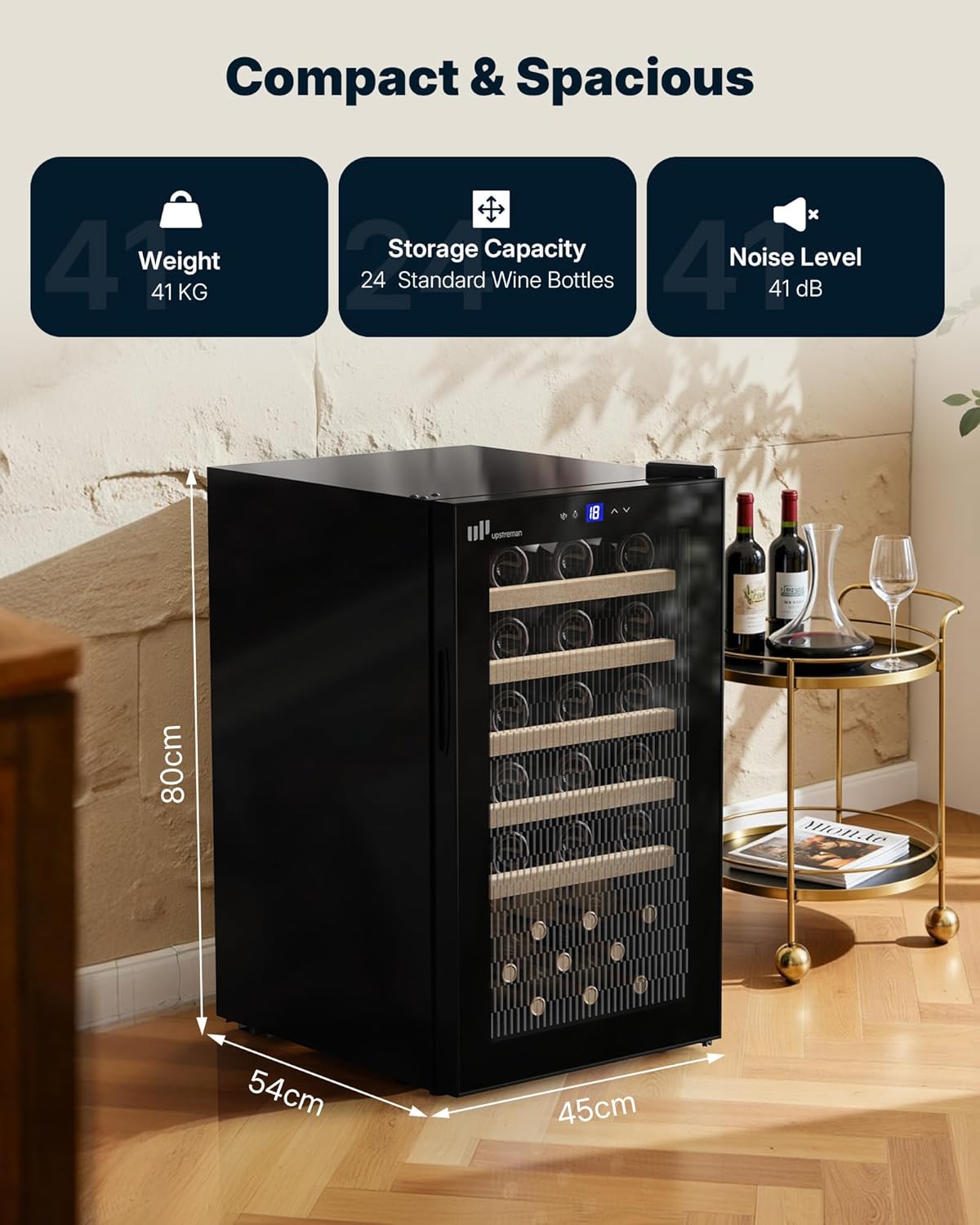
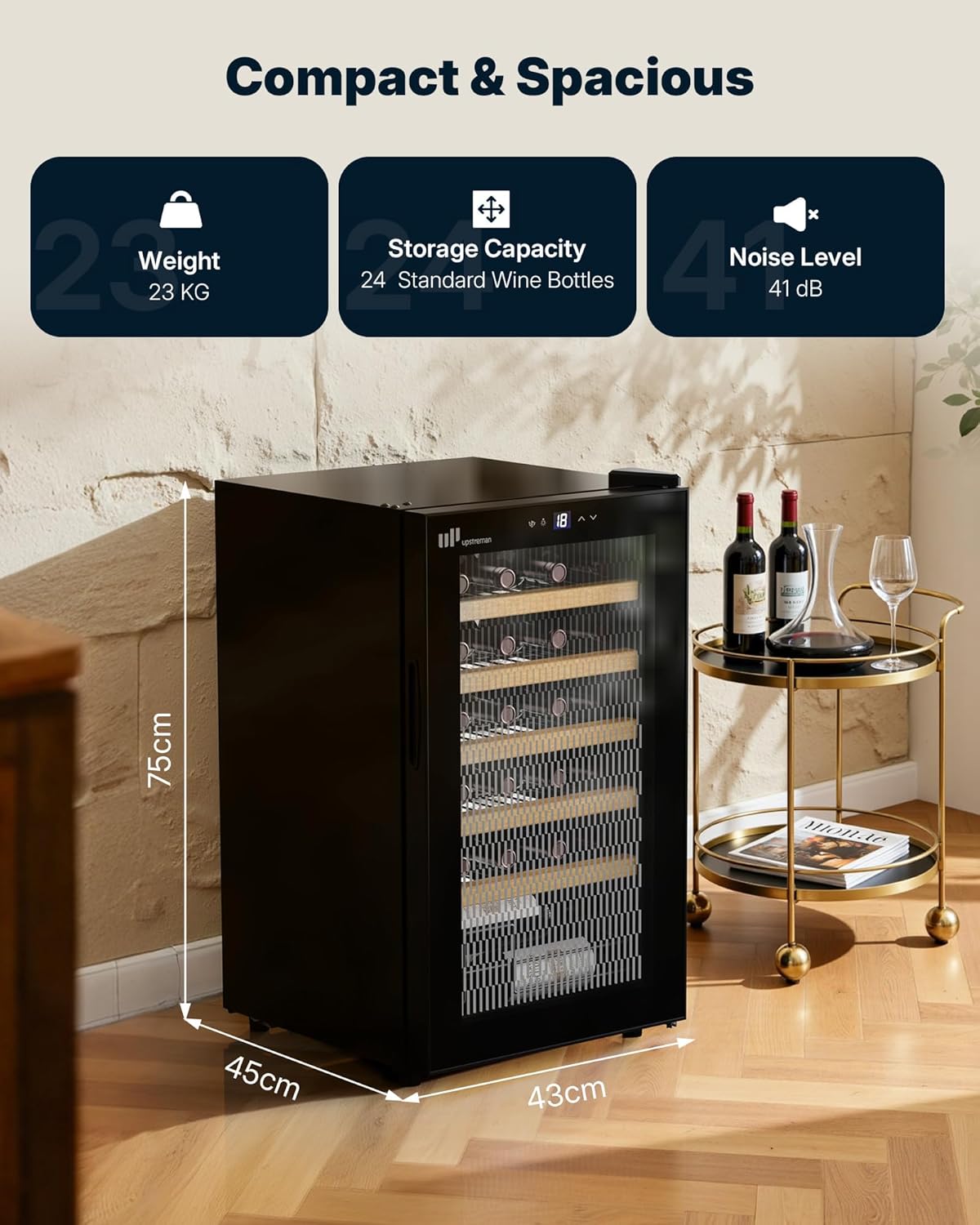
When you shortlist the best wine coolers with adjustable shelves, start with your room layout and power access. Measure the height, width, and depth of the intended space, then allow extra clearance for the glass door to open fully and for ventilation. Decide whether you need a single zone cabinet for long term storage or a dual zone wine fridge for serving both red and white wine at different temperatures.
Next, inspect the shelf design closely, either in person or through detailed photography and specifications. Check how many shelves are fully adjustable, whether they are wooden or metal, and how far they extend when pulled out with bottles loaded. A high quality wine cooler will combine smooth running shelves, clear digital temperature readouts, and a compressor wine system tuned to minimise vibration while maintaining a stable zone wine environment.
Finally, weigh softer factors such as noise levels, lighting, and after sales support. Strong customer service matters when you need replacement shelves, door seals, or advice on temperature settings for a growing wine enthusiast collection. By prioritising adjustable shelves, realistic capacity, and trustworthy support, you will select a wine fridge that protects both the financial and emotional value of your best wine bottles for many years.
Key statistics on wine coolers and storage performance
- Industry estimates from major appliance market research firms suggest that global wine cooler and wine fridge sales now run into well over a million units per year, reflecting rising interest among every type of wine enthusiast.
- Surveys of wine cellar owners by specialist retailers and trade groups consistently report that a clear majority of respondents prioritise adjustable shelves over decorative lighting when choosing a cooler refrigerator for home use.
- Controlled tests on compressor wine systems, described in manufacturer white papers and independent appliance magazines, indicate that cabinets with stable digital temperature control are less likely to expose bottles to the temperature swings seen in standard household fridges.
- Consumer research from organisations such as national consumer associations shows that brands offering at least a three year warranty on wine coolers tend to achieve higher repeat purchase rates among enthusiast classic buyers.