Single zone versus dual zone wine cabinets for serious collections
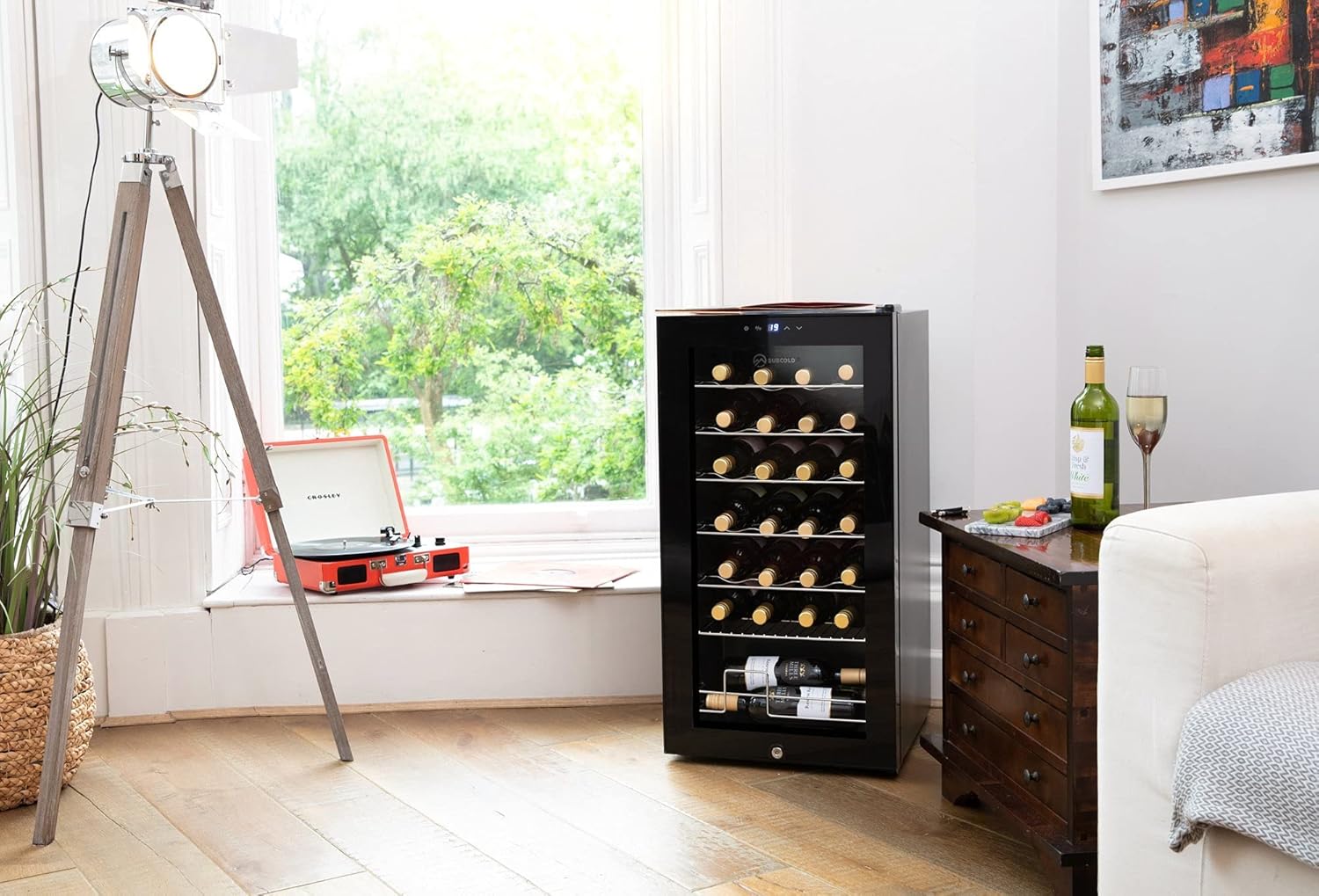
The debate between single zone and dual zone integrated coolers shapes how you build a home wine cellar. A single zone wine cooler keeps every bottle at one temperature, which suits long term wine preservation for red wine in a dedicated cellar cooling space. By contrast, a dual zone wine fridge lets you keep one zone wine compartment colder for white wine and sparkling wine while the other zone stays warmer for the best wine serving of reds, giving you more flexibility for mixed collections.
For collectors who rotate stock frequently, dual zone wine coolers offer more flexibility. You can age wine in the upper zone at around 12 °C while using the lower zone as a ready to drink wine storage area at serving temperature, which avoids constant reshuffling of bottles. When you compare models, examine how clearly the manufacturer separates each zone and whether the cooling systems share fans or use independent systems, because shared systems can transfer odours or temperature fluctuations between zones.
People building a larger integrated wine cellar often combine several units. One approach is to pair a tall single zone unit for long term wine storage with a smaller dual zone appliance near the dining area, which keeps entertaining bottles close at hand. If you are planning a collection focused on investment grade wine, look at specialist guidance from professional reviewers and trade publications to understand how commercial grade cooling systems protect high value bottles, and consider whether a dedicated ageing cabinet plus a serving temperature cooler suits your goals.
Design, shelving and ergonomics in built in wine coolers
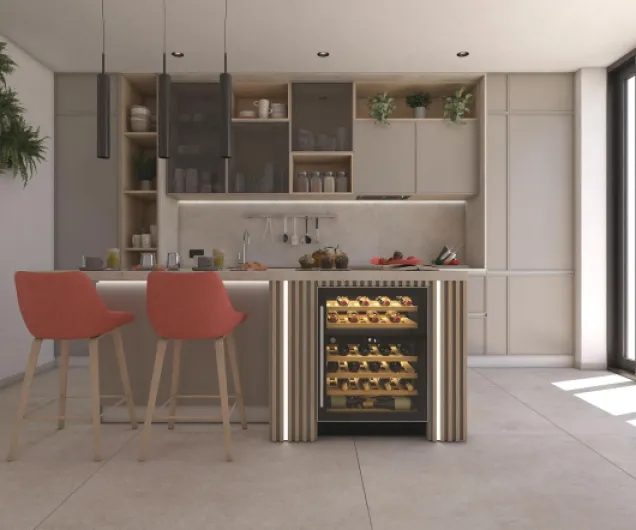
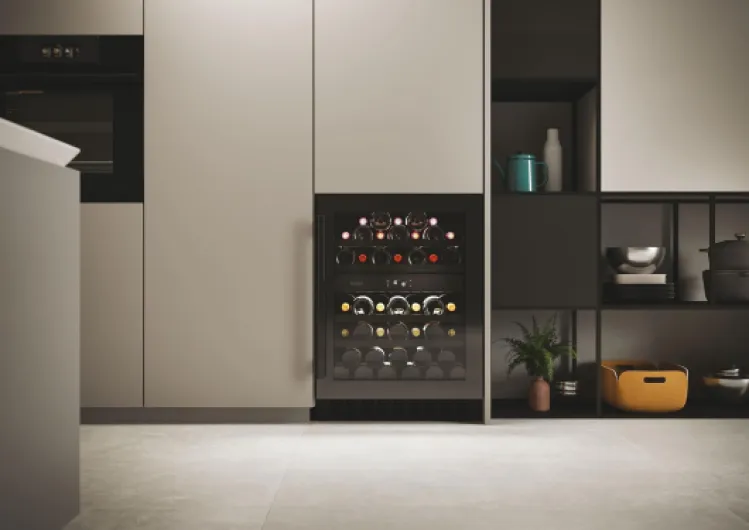
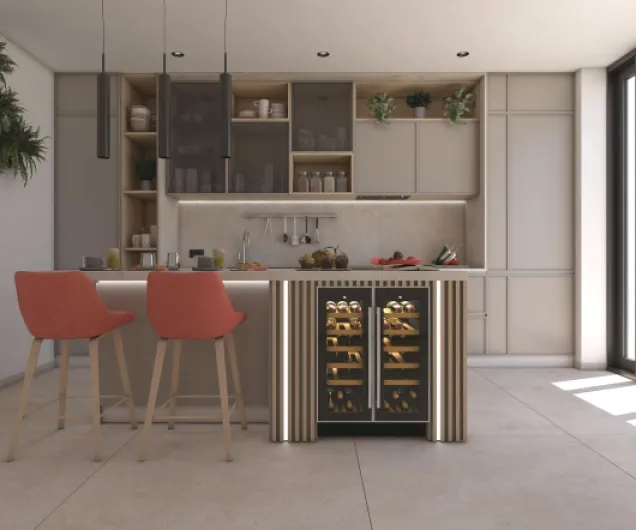
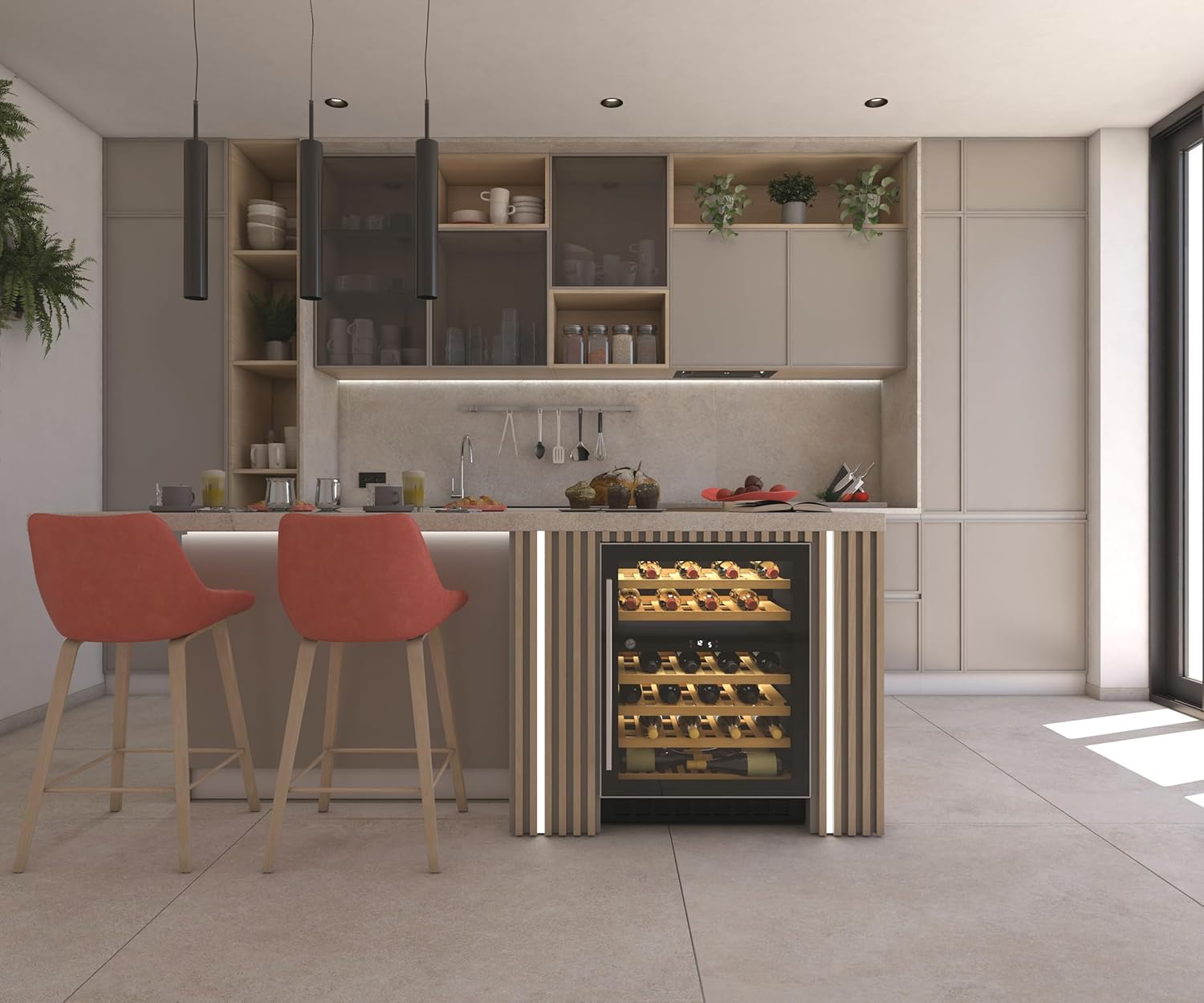
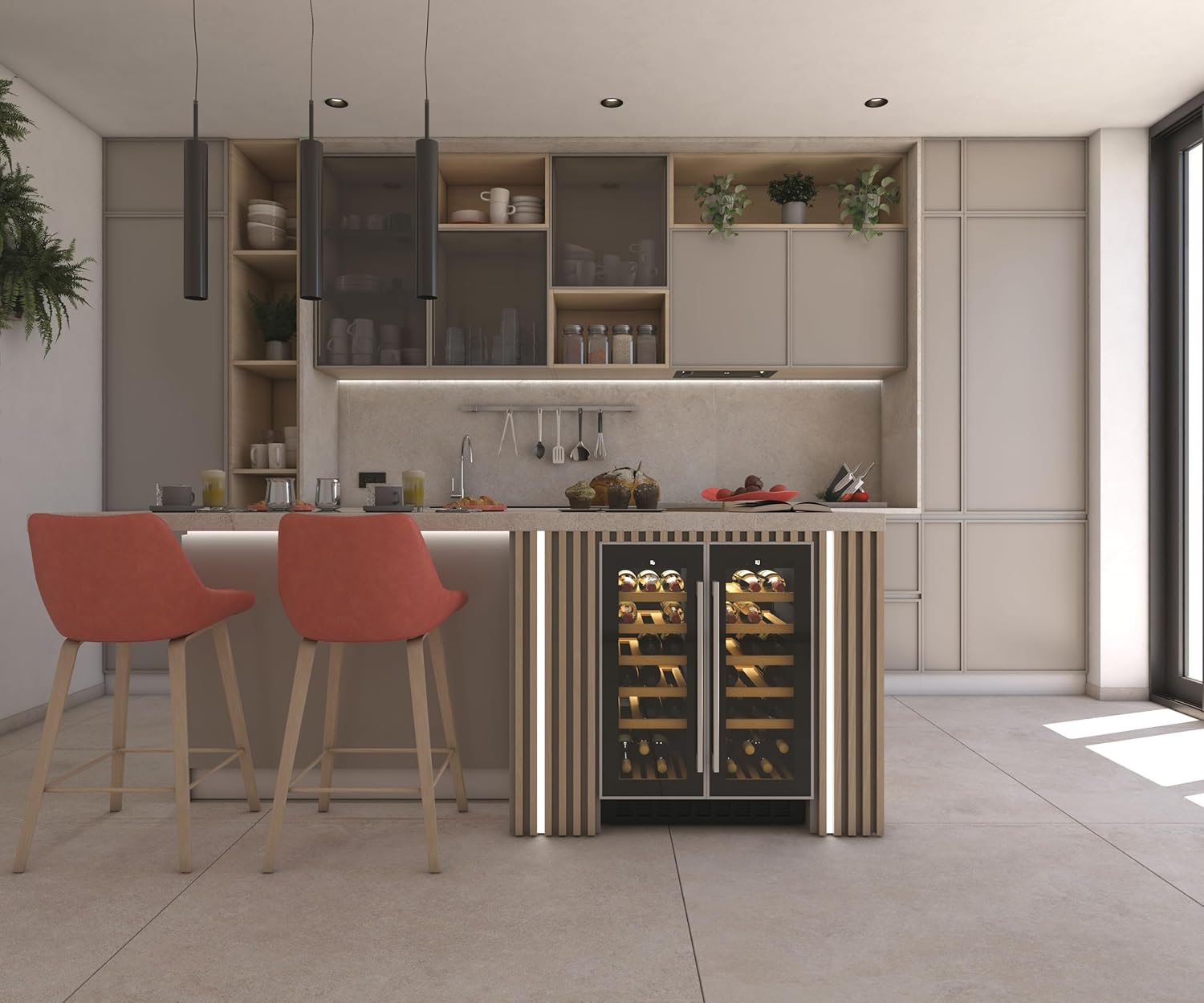
Design details in the best integrated wine coolers influence both aesthetics and daily comfort. A flush built frame, matching plinth height, and handle style help the cooler blend with surrounding cabinets, while a contrasting metal trim can turn the wine cooler into a focal point in a modern wine kitchen. Interior lighting, often in white, blue, or amber, should illuminate each bottle without heating the wine or creating glare through the glass door, and dimmable LEDs are especially useful in open plan spaces.
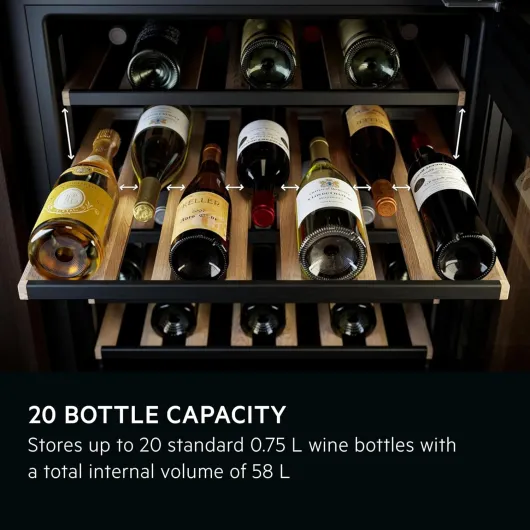
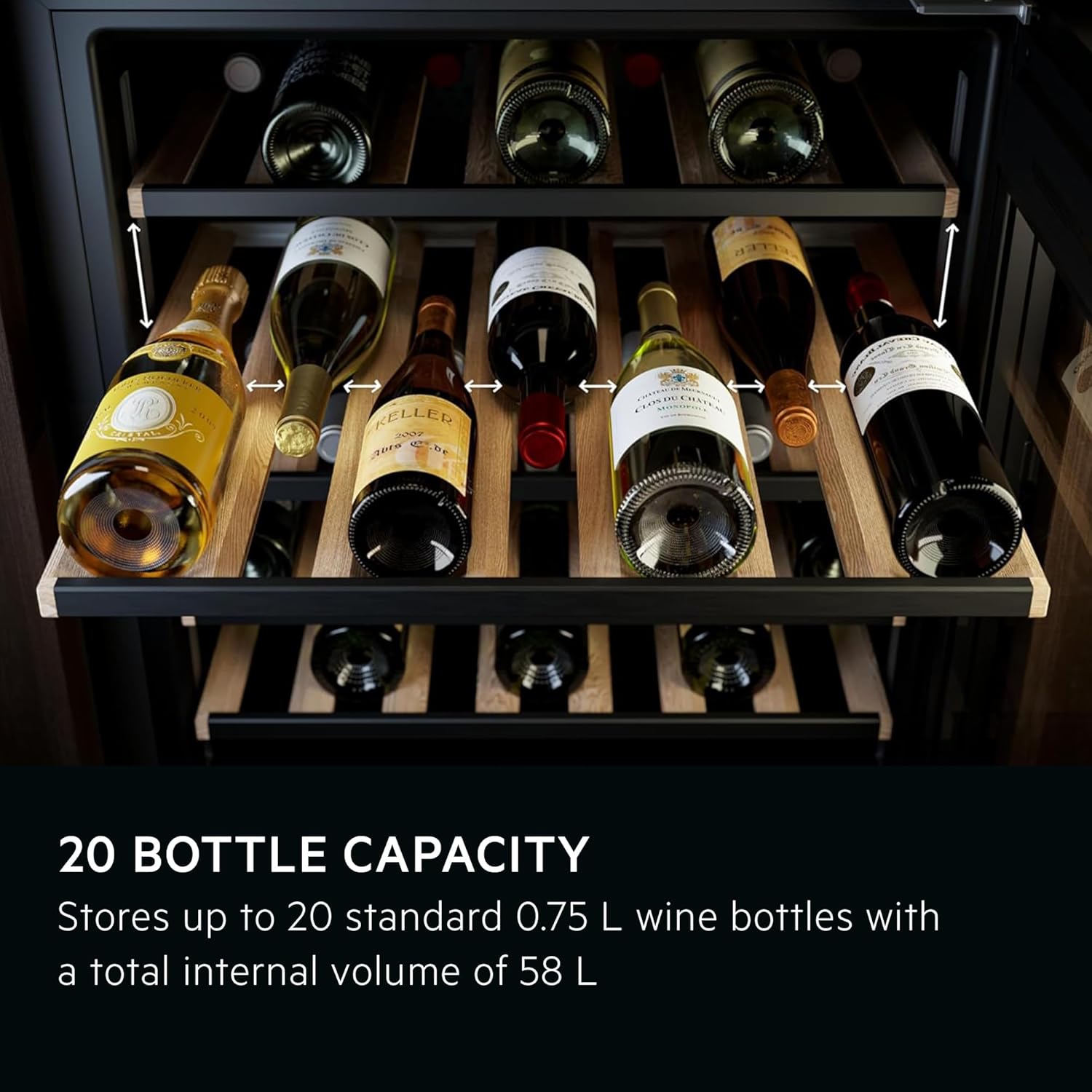
Shelving is where many integrated coolers differ sharply. Look for strong metal or beech shelves mounted on smooth runners, because flimsy wire racks can flex under the weight of a full bottle dual row and make it harder to read labels. Adjustable shelves are especially valuable if you buy many Champagne magnums or wide Burgundy bottles, and independent overviews of coolers with adjustable shelves can help you compare layouts and capacities without relying only on marketing diagrams.
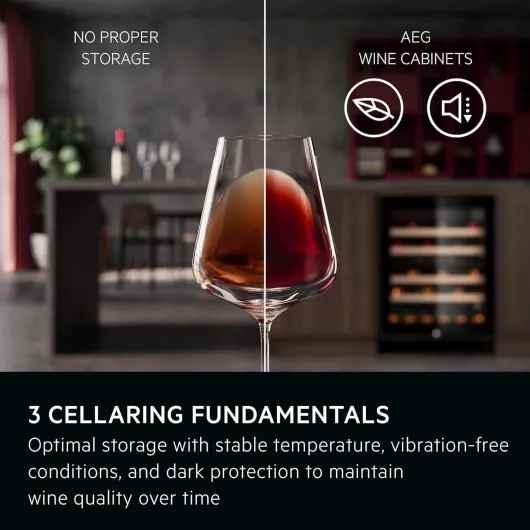
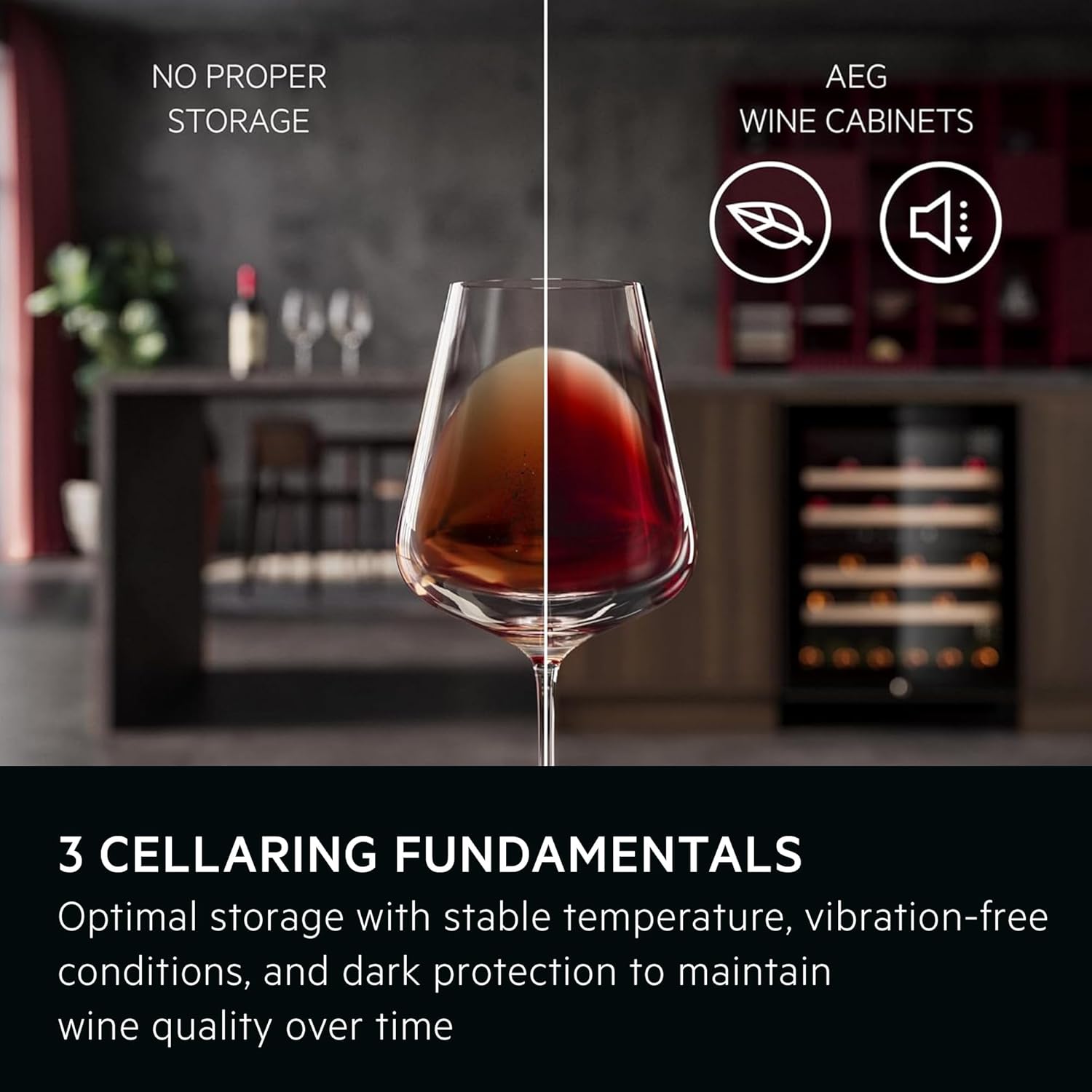
Ergonomics also covers noise and vibration. An integrated wine cooler shares cabinetry with your dishwasher and fridge, so a quiet cooling unit rated below about 40 dB will feel more comfortable in an open plan living space, while premium models often quote 34 to 38 dB on the specification sheet. Low vibration compressors and well designed cooling systems protect delicate wine sediments, which is crucial if your integrated wine cellar doubles as long term storage for older vintages or fine Burgundy.
Key technical features that separate average and best integrated wine coolers
Behind the glass door, technical engineering determines whether a cooler truly protects wine. High quality cooling systems maintain a narrow temperature band, often within 1 °C of the set point, which is essential for long term wine preservation in an integrated wine cellar. Look for clear specifications on humidity control, because relative humidity between about 50 and 75 percent keeps corks from drying while avoiding mould on the bottle, and some higher end cabinets quote a target of around 65 percent.
Air circulation is another critical factor. Better wine coolers use fans to distribute air evenly through each zone, preventing hot spots near the top and cold pockets near the bottom of the unit, which can otherwise age wine unevenly. Some premium series also include charcoal filters that refresh the air and reduce odours, a subtle but important detail when the appliance sits near a kitchen bin or strong smelling foods, or when you store wine for many years.
Installation details can make or break performance. Features such as reversible doors, front venting, and clear guidance on shelf depth help ensure the built unit can breathe properly and fit flush with surrounding cabinetry. Pay attention to energy labels as well, because efficient wine fridges reduce running costs while keeping internal temperatures stable even during summer heat waves, and typical annual consumption for a 40 to 50 bottle integrated cabinet now often falls between 90 and 140 kWh.
Pricing, value and how to read regular price versus sale price
Understanding price structures helps you judge value among the best integrated wine coolers. Retailers often show a regular price beside a temporary sale price, and the gap between them can be large during seasonal promotions on a particular series or brand. Instead of focusing only on the headline discount, compare the specification sheet, warranty length, and build quality of each appliance at its effective price per bottle of storage, using the realistic mixed bottle capacity rather than the idealised figure.
For example, a compact built wine fridge with a lower regular price may seem attractive, but a taller unit with higher capacity and stronger metal shelves can offer a better long term cost per bottle. A small 18 to 24 bottle under counter cabinet might sit in the 400 to 700 US dollar range at regular price, while a 100 to 150 bottle column with dual zones and upgraded shelving can run from about 1,500 to 3,000 US dollars depending on brand and finish. When you evaluate sale offers, check whether the sale price applies to discontinued coolers or to current models, because end of line units might lack the latest cooling systems or updated door seals.
Always factor in installation costs, cabinetry adjustments, and potential electrical work, since these can narrow the gap between a budget cooler and a mid range wine cellar unit. Brand positioning also influences pricing. Specialist manufacturers such as Summit focus on integrated coolers and cellar cooling appliances, while others treat the wine cooler category as part of a broader kitchen portfolio. Look for transparent information on compressor type, noise levels, and after sales support, because a slightly higher price for a reliable wine cooling system often pays off in fewer service calls and better wine preservation.
Notable series, brands and what to know about allavino flexcount
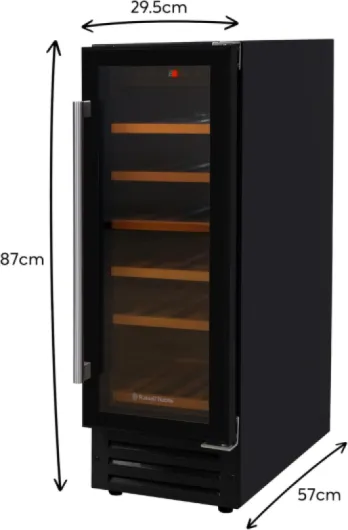
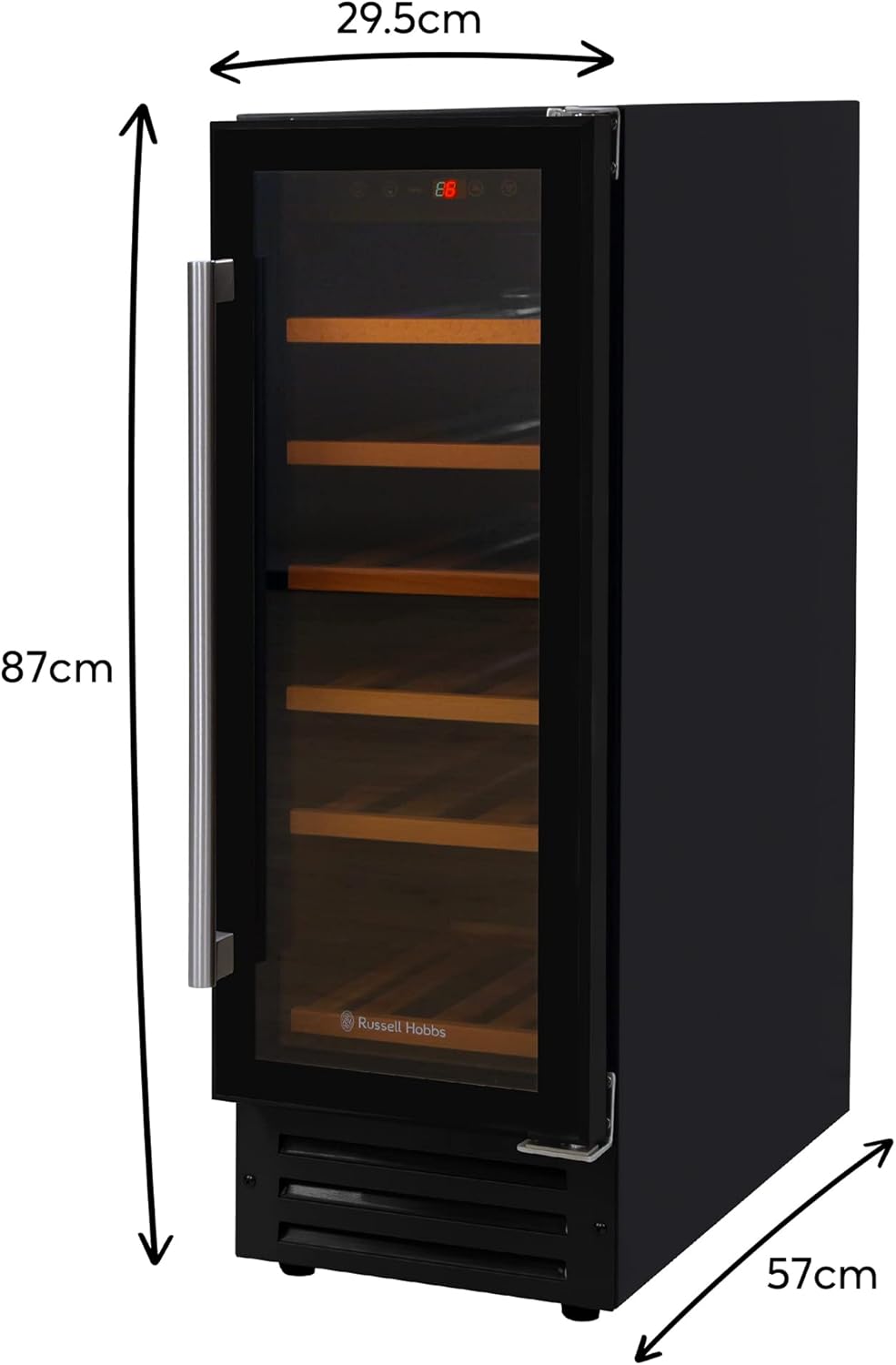
Within the integrated segment, certain series have built strong reputations among enthusiasts. The Summit line of under counter coolers, for instance, is known for compact footprints and flexible door options that suit small urban kitchens where every centimetre of storage matters. Typical 15 inch wide Summit under counter models offer capacities around 30 to 34 Bordeaux bottles, noise ratings close to 39 dB, and front venting for true built in installation, which makes them practical for tight layouts.
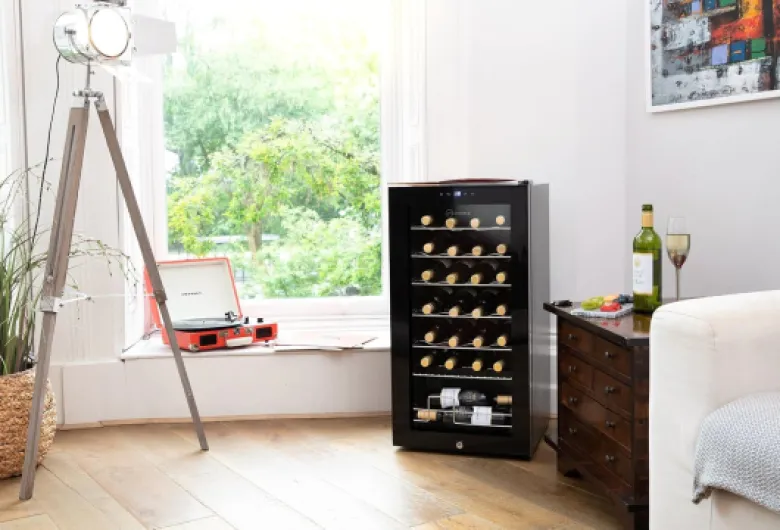
Other brands emphasise a seamless design language, offering panel ready doors so the wine cooler disappears behind the same fronts as the rest of the cabinetry. The Allavino FlexCount series, while often used as a freestanding or under counter wine fridge, illustrates how thoughtful engineering benefits integrated installations. Its shelving system uses strong metal supports shaped to cradle different bottle diameters, which allows higher capacity without scraping labels or forcing you to separate odd shaped bottles into another unit, and many FlexCount models quote both standard and mixed bottle capacities to reflect this.
When adapted into a built in niche with proper ventilation, a FlexCount style layout shows how a cooler can combine high density wine storage with gentle handling of each wine bottle. For instance, a FlexCount cabinet rated for 56 Bordeaux bottles may realistically hold around 48 to 50 mixed bottles including Champagne, while keeping noise near 40 dB and offering dual temperature zones. When you compare brands and series, focus on how they handle real world collections, and ask whether the stated bottle capacity assumes only standard Bordeaux bottles or a mix that reflects your own buying habits, including sparkling wine and large formats.
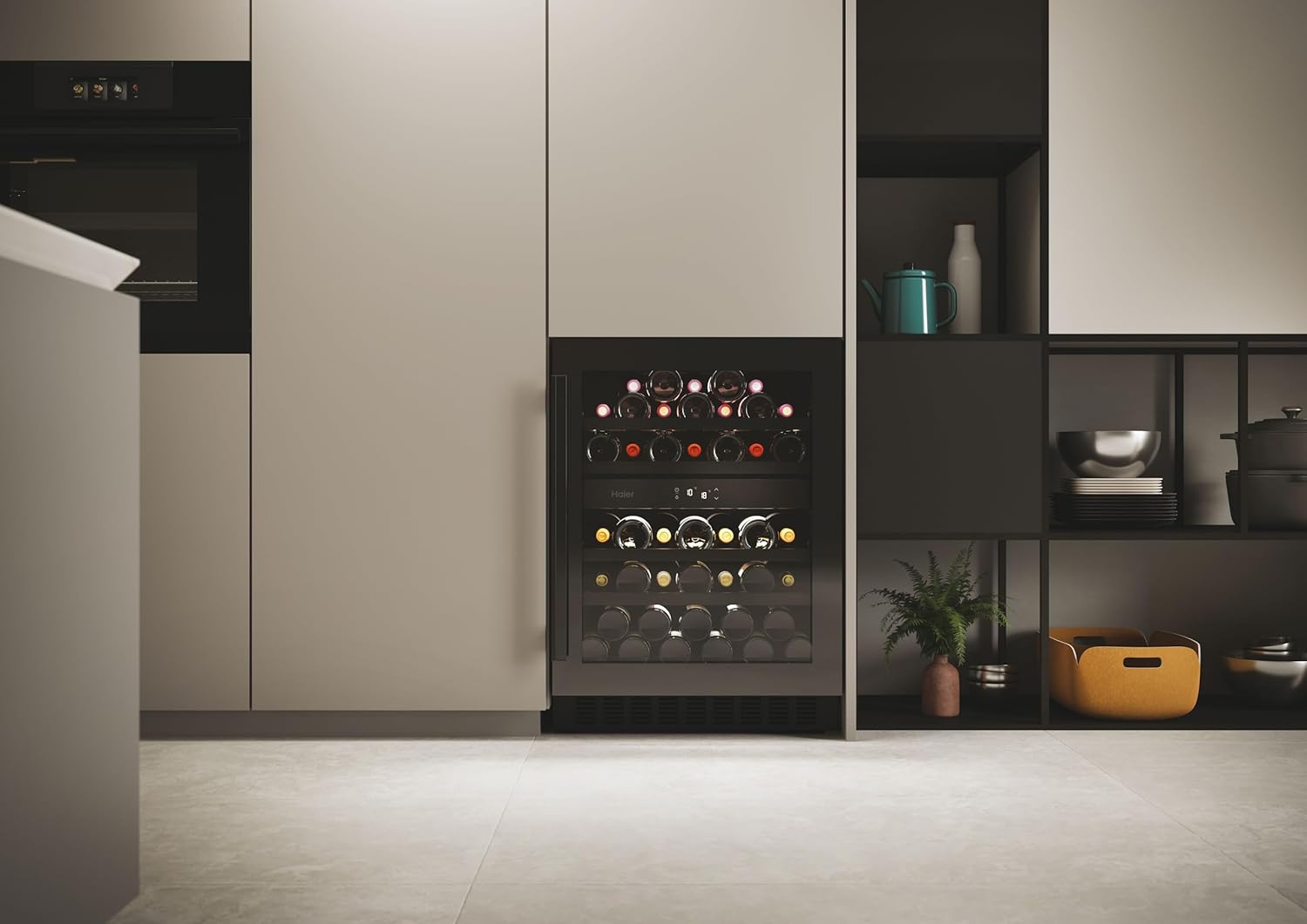
Consider how each appliance will look alongside your oven, fridge, and other coolers, because a coherent design language across the whole kitchen makes the integrated wine cellar feel intentional rather than improvised. Matching handle profiles, door heights, and plinth lines can make even a modest 30 bottle under counter cabinet look like part of a carefully planned wine room rather than an afterthought.
Planning an integrated wine cellar layout around zones and systems
Designing a full integrated wine cellar with several coolers requires a clear plan. Start by mapping where each zone wine cabinet will sit in relation to cooking, dining, and social areas, because proximity shapes how often you open each door and how the cooling systems respond. A tall single zone unit might live in a quieter hallway for long term storage, while a dual zone under counter cooler sits near the dining table for easy access, and a compact unit near the terrace can serve outdoor entertaining.
Think in terms of systems rather than isolated appliances. Combining a dedicated cellar cooling unit for ageing with one or two serving temperature wine fridges gives you a layered approach to wine preservation, which mirrors how professional restaurants manage their wine cellars. This structure lets you keep investment grade bottles undisturbed while rotating everyday wine through more accessible coolers, and it also simplifies future upgrades because you can replace one part of the system without redesigning the entire kitchen.
Safety and practicality matter as much as aesthetics. Ensure each built niche has enough ventilation space around the appliance, and avoid placing a wine cooler directly beside a heat source such as an oven, which would force the compressor to work harder and shorten its lifespan. Plan for future growth by leaving space for an extra cooler or by choosing a series that offers matching models in different sizes, so your integrated wine storage can expand gracefully as your collection evolves and your tastes change.
Key figures about integrated wine coolers
- Market research from Grand View Research reports that the global wine cooler and wine fridge market exceeded 2 billion US dollars in value, reflecting strong demand for both freestanding and integrated units in residential wine cellars.1 The same analysis notes steady growth driven by rising home entertaining and premium kitchen renovations.
- Energy efficiency studies from the European Commission show that modern cooling appliances can use up to 40 percent less electricity than models sold a decade earlier, which significantly reduces the lifetime operating cost of an integrated wine cooler.2 In practice, this means that a current A rated 40 bottle cabinet may consume roughly 100 kWh per year compared with 160 kWh or more for an older equivalent.
- Surveys of wine collectors published by Decanter indicate that more than half of serious enthusiasts own at least one dual zone cabinet, highlighting the growing preference for flexible zone wine management at home.3 The same survey notes that many collectors pair a large ageing cabinet with a smaller serving temperature unit in the kitchen.
- Installation data from major kitchen retailers suggest that under counter integrated coolers account for roughly two thirds of wine cooling units sold for new kitchens, with tall column style cellars making up the remaining third, a split that reflects the popularity of compact 30 to 60 bottle cabinets in urban homes.